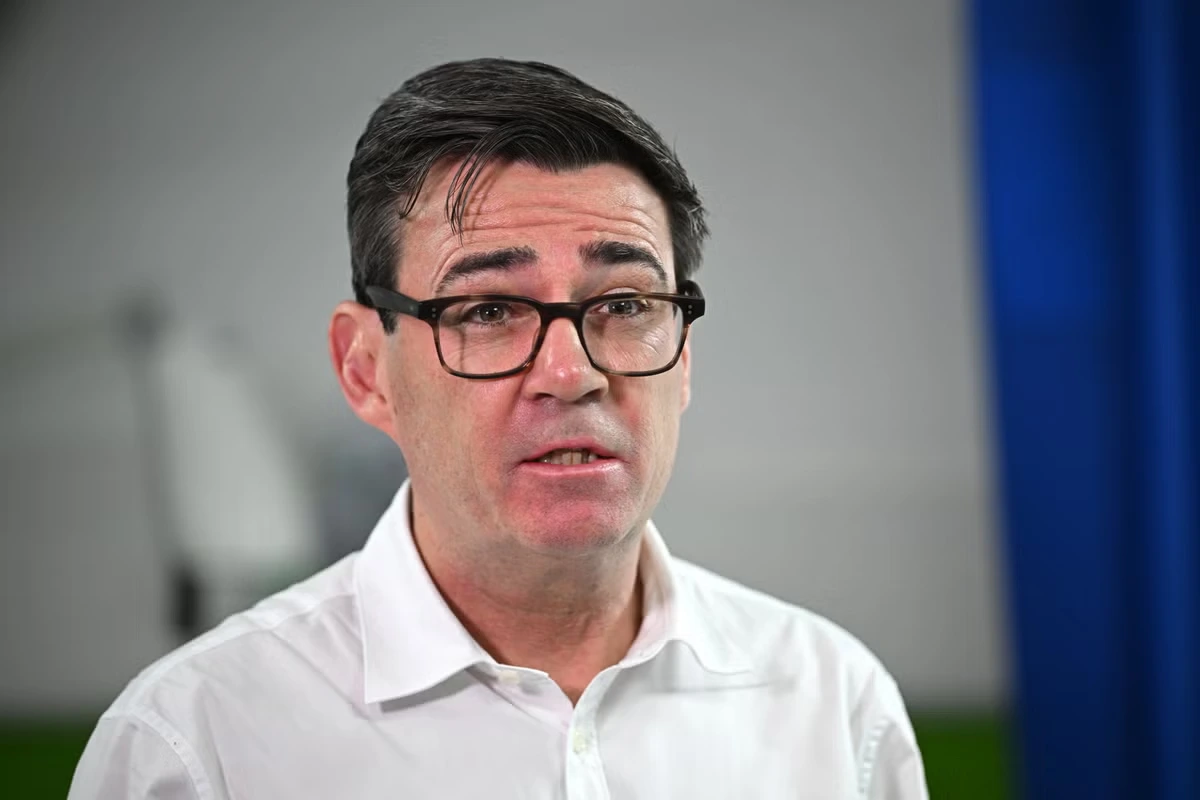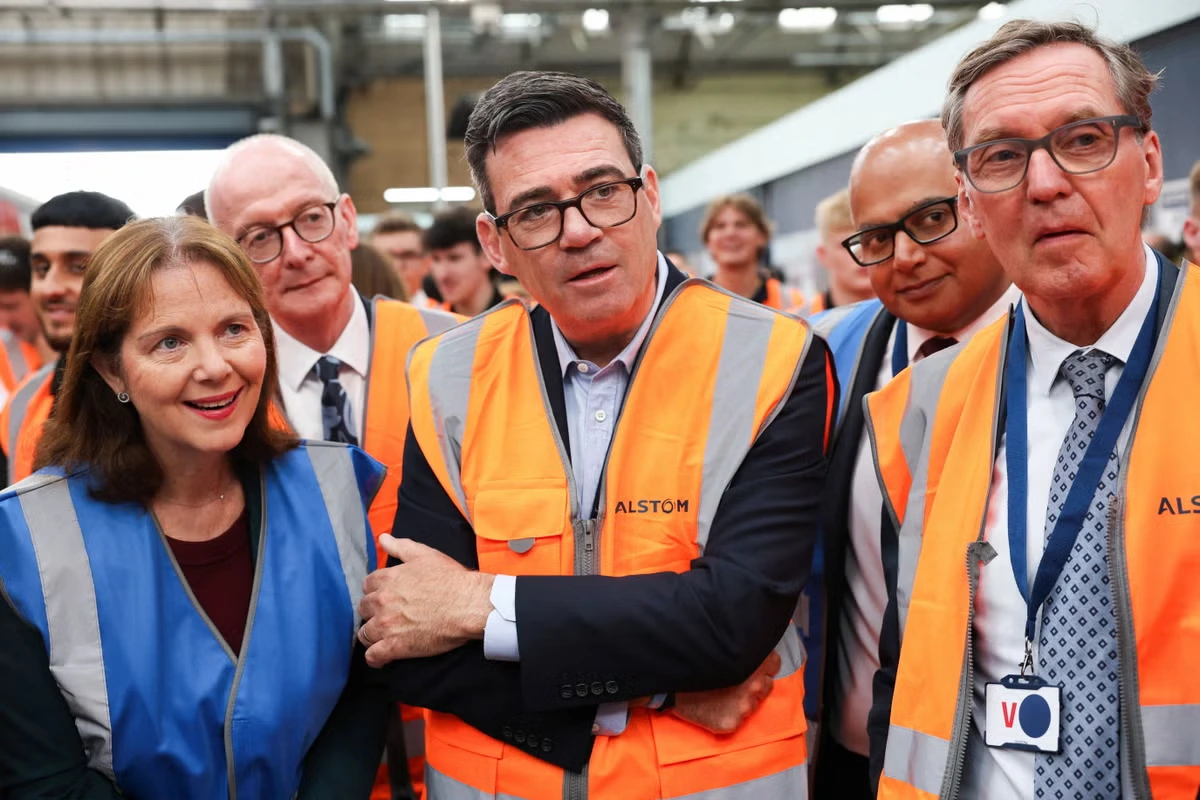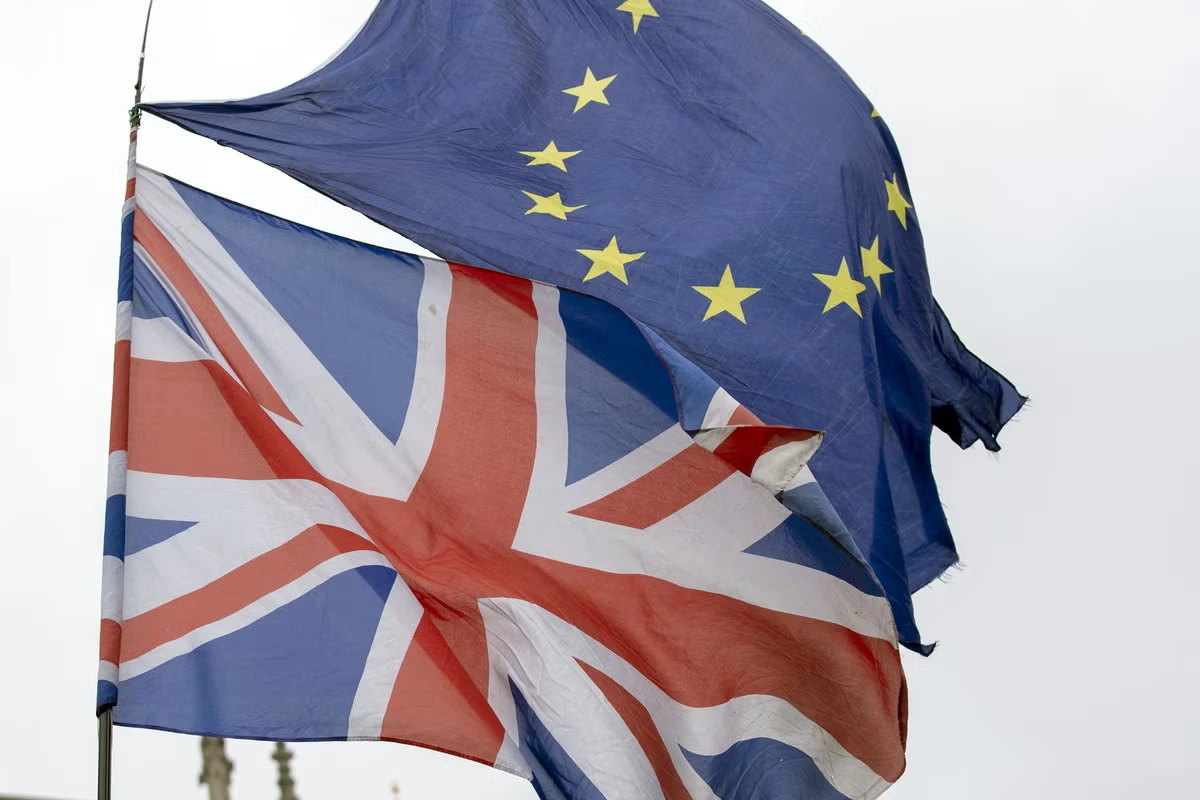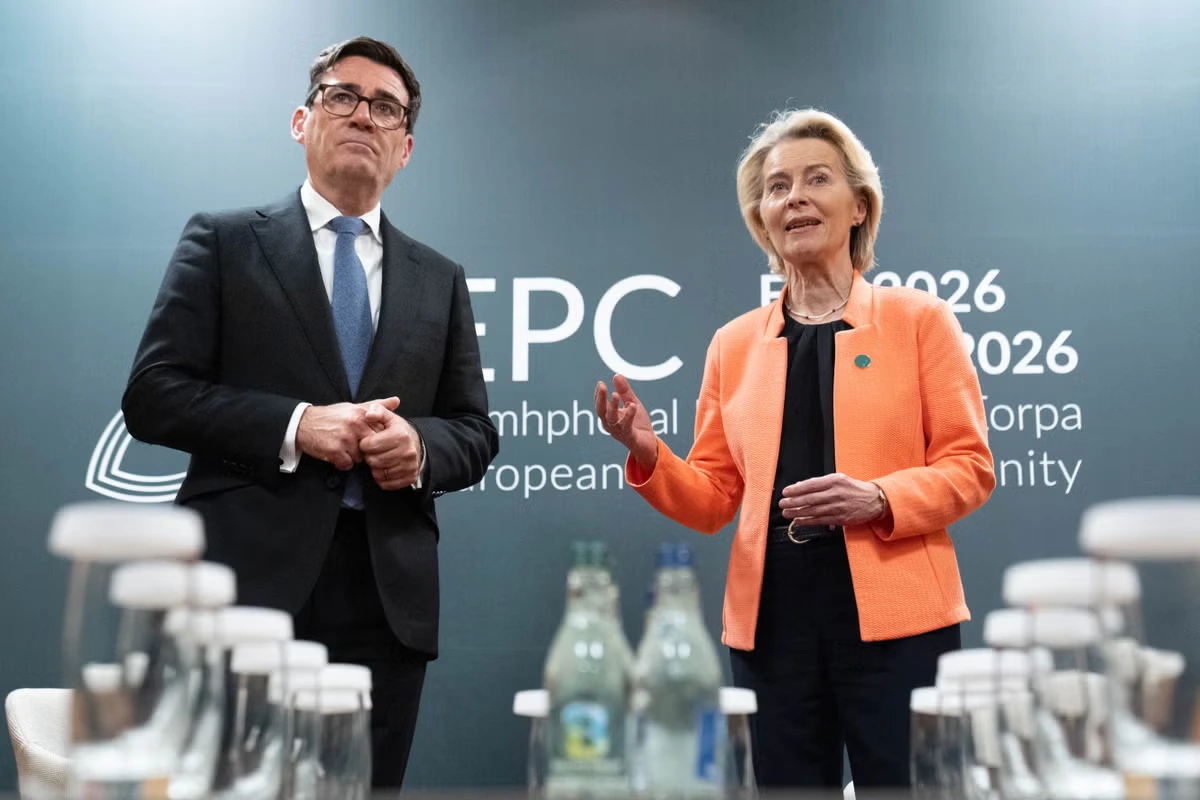
Andy Burnham says “the Brexit we were given has not worked” and that Britain has lost more than it has gained. His sentiments reflect the feelings of most voters, according to polling, and at the second annual UK-EU summit on Thursday he will seek to demonstrate that a better Brexit is not only desirable but necessary. He says this “reset” is a forward-looking policy, and not about re-running the arguments of the EU referendum and its aftermath. Even so, it does feel a bit like Euro déjà vu all over again…
We don’t know all the details yet, but the signs are that there’ll be wide agreement on agrifood and phytosanitary checks, meaning British exports of produce can once more flow freely into the EU. Everything from fresh langoustines to sausages to beer would be subjected to fewer checks, if any.
Also likely to be agreed upon are: access to the EU emissions trading scheme, potentially making it cheaper for British firms to make the transition to green energy; a new two-way “youth mobility scheme”; and further steps to strengthen collective security.
These reforms should eventually add 0.4 per cent a year to UK GDP, the government says – a considerable boost when annual growth is forecast to be stuck between 1 and 1.7 per cent for the rest of this decade.
Some very important decisions are being postponed again. By far the most economically significant is for the UK to be part of the new, more protectionist EU “Made in Europe” policy, which restricts public procurement to EU-made products, especially in the automotive sector. The Society of Motor Manufacturers and Traders, a British trade body, has warned of the dire consequences of failure to gain British exemptions, and the same goes for many other industries.
Regaining access to the EU Eurodac fingerprint and face recognition databases would also greatly assist the British authorities in speedily ending asylum claims that have already been rejected in the EU.
Of course. Under the “dynamic alignment” regime, Britain will become a “rule-taker” rather than a rule-maker in significant sectors, with only a voice in the room on evolving EU regulations. Farmers who only sell to the British market will have to conform to Brussels regulations, which may be irksome, and there are already media stories about how British jams, smoky bacon crisps and chocolate can be marketed. There is also some discomfiture about EU students possibly paying the same university tuition fees as their British counterparts.
Mostly. As the 2024 Labour manifesto promised, Britain is not wholly rejoining the EU Single Market – though it is doing so so far as food and agriculture are concerned. Second, in terms of sales and jobs, the reset is an improvement on the 2019 UK-EU Trade and Cooperation Agreement, (the Brexit deal signed by Boris Johnson). As to whether all this passes the “Makerfield test”, the third of Burnham’s criteria, is anyone’s guess.
It looks depressingly like the political scene of 10-15 years ago. Nigel Farage and Arron Banks are relaunching Leave.eu as “Enough Official” and the Stay Out group has already launched a video objecting to the cost of rejoining the EU and the threat of mass immigration from Albania (as opposed to Turkey, which was the scare in 2016).
This time around, the Conservatives will be much more united as a Leave party, with David Cameron and Jeremy Hunt, for example, on the same side as Kemi Badenoch and Boris Johnson. They will argue that Britain’s interest in AI in particular is a big obstacle; and many others will be concerned at the EU’s direction if Marine Le Pen becomes president of France next May. Other contentious issues include euro membership and collective refugee policy.
Britain will now undergo a shadow “rejoin” debate before the issue is formally put to the people again, either at the 2029 election or a referendum thereafter (if Labour and other pro-EU parties prevail), or indeed both. Even then the issue may not be settled for that long if the Brexiteers carry on the fight. But how can the UK or the EU plan for the future if the British change their minds every decade or two? Such continuing limbo may prove the worst of all worlds.