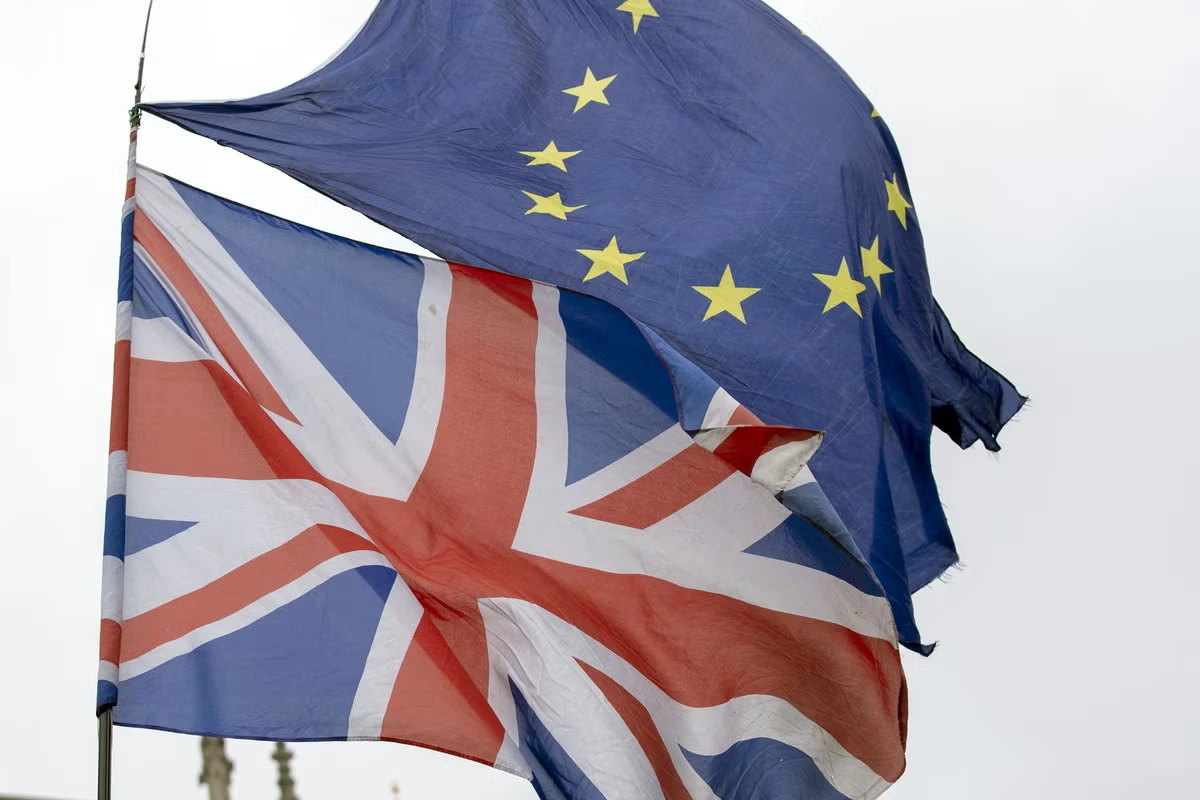
Britons can no longer be divided into Brexiteers or Remainers when it comes to their views on the European Union, research suggests.
With the prime minister set to offer the public a series of options to get closer to the bloc, a study has found most of us are now fall into three new categories: Optimists, Realists or Loners.
Mark Leonard, the director of the European Council on Foreign Relations think tank, which created the categories by analysing a series of poll results, said old labels were becoming less useful in analysing British politics.
“The Brexit divide was an earthquake in British politics but 10 years on, talk of ‘Leavers’ and ‘Remainers’ is on the way to resembling that of Roundheads and Cavaliers in the English Civil War – the relic of a long-past historical clash rather than a guide to future political behaviour,” he told The Independent.
The first new group he and his team identified, the Optimists, who made up 28 per cent of the total, are characterised by their desire for a closer relationship with the EU and believed the organisation would share Britain’s interest in a future international crisis.
The EU appeals to their hearts as well as their heads and the vast majority would vote to rejoin the organisation. Younger, more male and wealthier than the national average, they also include a lot of Labour and Green supporters, along with Liberal Democrats. Celebrities who might fit into this group include the late Patrick Stewart or Gary Lineker, Leonard suggested.
The second group, the Realists, who make up 35 per cent of the total, also want a closer relationship with Europe but are more pragmatic about the costs and benefits on issues. Equally represented across all age groups, they tend to be slightly more female than male and care a lot about the cost of living. They might include people like Brexit opponent Jeremy Clarkson, said Mr Leonard.
The smallest group, the Loners, account for 27 per cent of voters and want to either keep the current status quo or have a more distant relationship with Europe. Older, more male, and particularly well represented among Reform supporters, they see immigration as the top priority and might, for example, include former England cricketer Ian Botham, who has been vocal in his support for Brexit.
Mr Leonard said there were three mains reasons why attitudes towards Europe had changed so much in the last decade: “Firstly, there is a new electorate. Of the roughly 48 million people who are eligible to vote in the UK today, six million were not eligible to vote in 2016. And more than six million who voted in 2016 have now died.
“Secondly, there is a new world and a new EU. In 2016, Obama rather than Trump was in the White House, we didn’t have a war in Europe, and we expected free trade rather than tariffs from Washington and economic coercion from Beijing. Moreover, Europe at that time was pushing free movement and free trade while it is now offering to protect borders, protect economies and invest in defence.
“Thirdly, many voters feel that Brexit didn’t deliver on its promise. Two thirds of people who voted leave now want a closer relationship with Europe and 58 per cent think that Brexit damaged the UK’s ability to control its borders. “
He added: “As a result, we need a new way of talking about Britain's attitude to Europe. We have found that most Brits want a much closer relationship and are part of groups we call ‘optimists’ and ‘realists’.
“The ‘loners’ represent only a small part of the British electorate but SW1 behaves as if they are the dominant group in many parts of the country.”