With Andy Burnham now almost certain to become prime minister within weeks, one of the major decisions he faces is who will occupy No 11 Downing Street as chancellor.
His choice will be seen as potentially the first big signal about what the policies and priorities of a future Burnham government might look like.
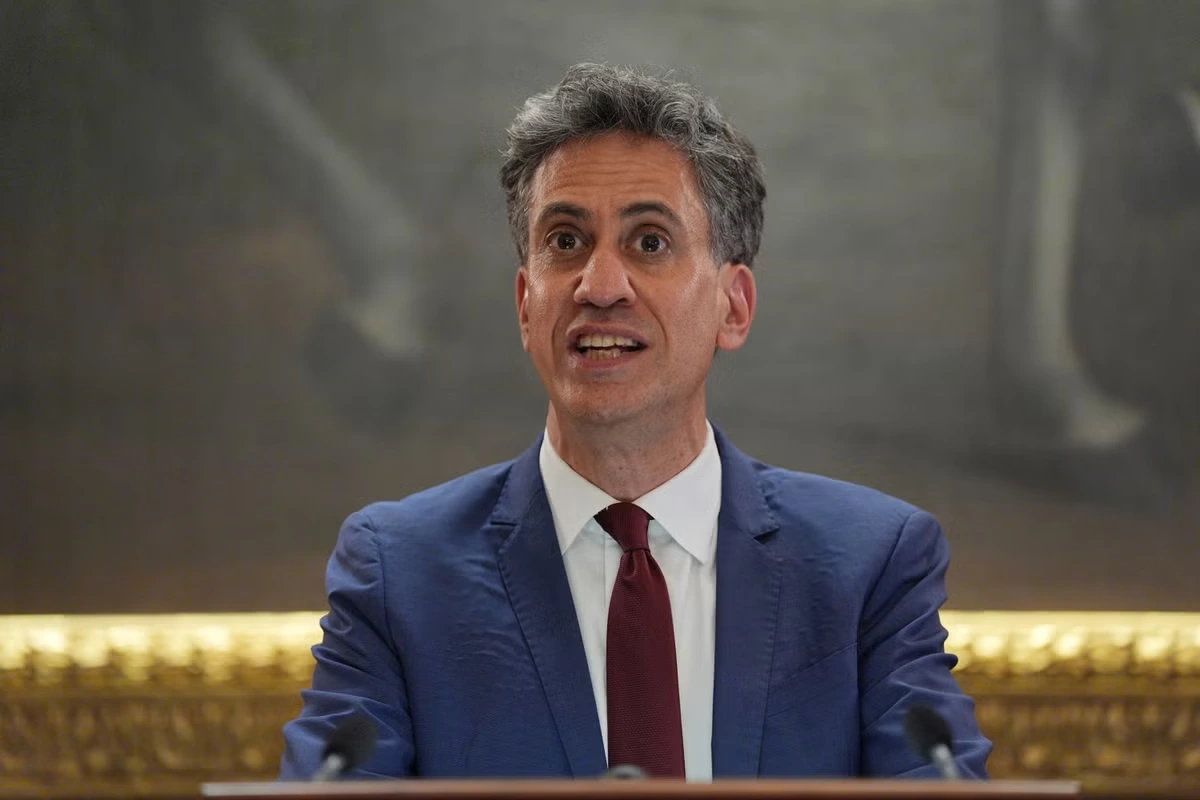
One frontrunner for the job is former Treasury adviser Ed Miliband. Yet more than a decade and a half ago after union votes helped him become Labour leader, unions are coming together in a bid to block the energy secretary from becoming chancellor.
Here, The Independent takes a look at why that is – and who the other frontrunners are for the second most important job in British politics.
The energy secretary has come in for fierce criticism from some unions, including the GMB and Unite, in recent years.
At the heart of the dispute is his push towards net zero and what unions argue is the risk to the jobs of workers, particularly in the North Sea.
Unite’s general secretary, Sharon Graham, has even warned that workers in the oil and gas industry risk becoming “the coal miners of our generation” if new North Sea licences are banned without a credible plan to save jobs.
At the weekend, she went further and warned that if Mr Miliband was chancellor he would represent a “noose around the neck” of job creation.
The GMB’s Gary Smith also hit out at the impact of net zero policies on the North Sea oil and gas industries earlier this month, calling it “shameful” and “economic madness”.
There are two main reasons: his experience in government, and his position as a key ally that the new PM may feel he has to reward.
Mr Miliband served as a cabinet minister in the last Labour government and subsequently led his party between 2010 and 2015. Early in his career he was even a Treasury adviser, so he knows the beat.
He is also popular with Labour’s grassroots and the so-called ‘soft left’ of the party, which also includes Mr Burnham.
Earlier this week he hit back at his critics, insisting that he had “led a pro-business, pro-growth department” for the last two years, an achievement that “didn’t happen by accident, but because of clarity of mission, government investment and building not blocking”.
A noted ally of Mr Burnham, he is widely expected to get a senior cabinet position in his government, even if he is ultimately not appointed chancellor.
A number of other names are being discussed at Westminster.
Senior minister Darren Jones emerged as one of the frontrunners on Wednesday, after he announced he was abandoning the idea of his own leadership bid in order to back Mr Burnham.
Some within Labour believe the home secretary Shabana Mahmood, who has a reputation as an effective cabinet minister on the right of the party, could be a leading contender as the new PM will need a tough chancellor by his side given the state of the public finances.
Another figure on the right of the party, Wes Streeting, the former health secretary, gave a speech last week which was widely seen as angling for the job. In it, he suggested he was not afraid to take on Labour’s sacred cows and praised a previous Tory chancellor as he called for tax cuts for some businesses.
Other candidates could include the welfare secretary Pat McFadden or the foreign secretary Yvette Cooper.
Aides of the current chancellor have reportedly been in contact with major firms and trade bodies urging them to lobby Mr Burnham to keep her in the job.
The most compelling reasons would be a fear over the reaction of the markets, which in recent years have got nervous when they thought she might be replaced. But it is thought their concern is for her fiscal rules, which Mr Burnham has said he will retain, more than the exact personnel of No 11.
At an appearance at a business conference on Thursday, she appeared to concede she would not be kept on.
She said she was “proud” of her record, adding that “whoever is chancellor in the future” should take a similar path.
But she also made the painful admission that she was "not sure anyone wants my advice" when looking ahead to who the next chancellor might be.