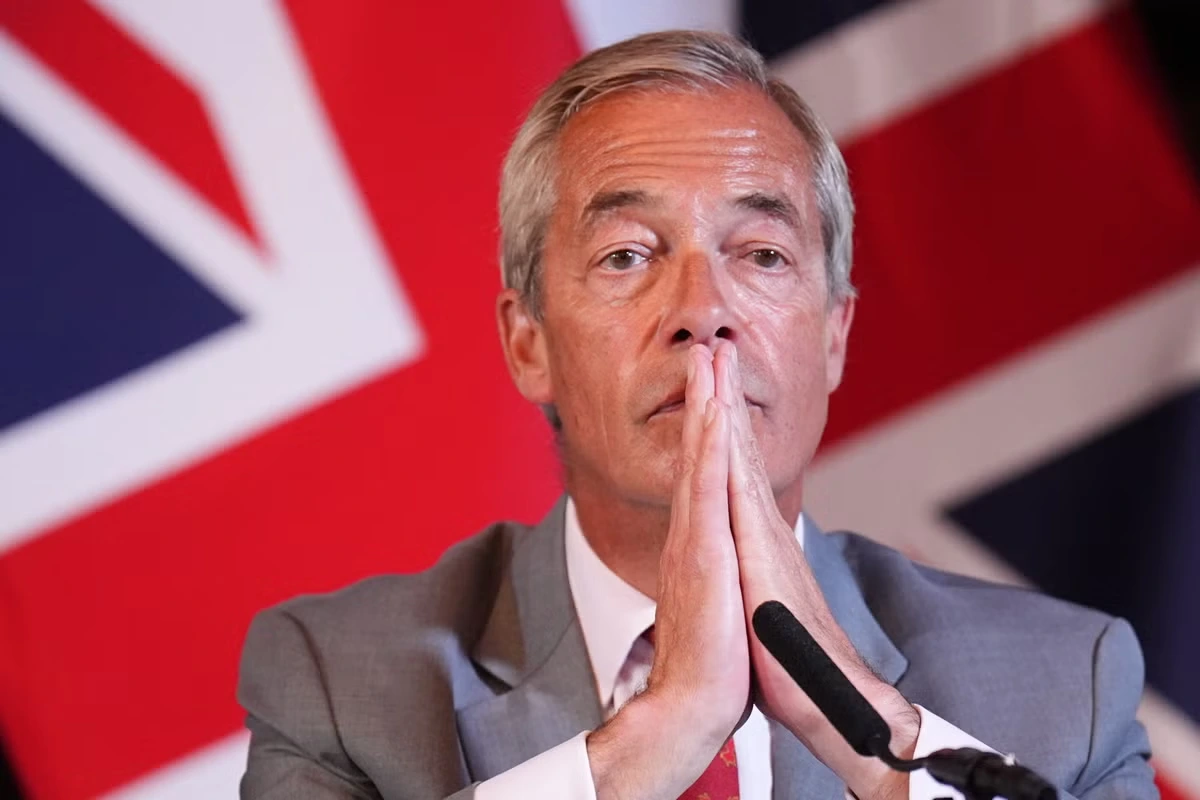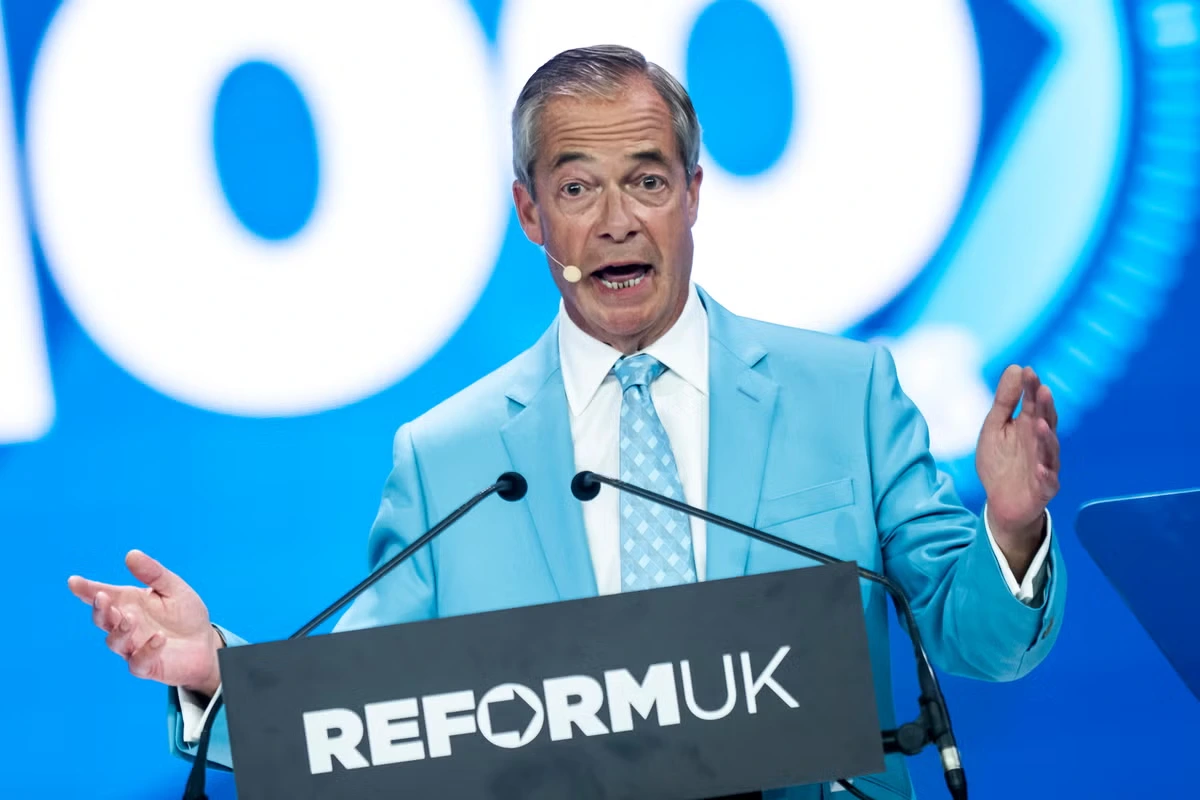
In the middle of the conference season, there is good and bad polling news for all the main parties. For the country, the political future seems very unclear, both because the party system has fragmented so much and because the three most popular choices – Labour, Reform and Conservatives – are close enough to be virtually within polling margin of error, albeit with Labour clearly a bit in front. If there really was to be an early election, it’s difficult to envisage that anyone could claim “victory”.
Nobody in particular. Taking the most recent poll, by More in Common, which is entirely in line with trends, Labour is ahead on 26 per cent, while the Conservatives on 23 per cent are slowly creeping up on Reform UK at 22 per cent (the margin of error usually being plus or minus 3 per cent on the published figures).
So, Labour might congratulate itself on regaining poll leadership for the first time in months, thanks largely to having installed Andy Burnham (the most popular choice) as prime minister. On the other hand, 26 per cent is well down even on Labour’s modest showing in the general election of about 34 percent, and the lead is slim. By most historical standards anything that low is dismal.
The Tories can reflect on Kemi Badenoch’s improving personal ratings, and the stronger chances that they won’t have to cede their status as the official opposition to Reform UK, but here the balance is very fine. According to modelling of the Commons by Poll Check, they’d be well ahead of Reform with 169 seats against 65 for Nigel Farage’s party (which would be even fewer than the Liberal Democrats’ 68 constituencies). But one a single percentage point switch from the Conservatives to Reform UK would give Reform 90 seats and the Conservatives 149; one point the other way would give Reform UK 45 and the Conservatives 188. And if Reform began to recover the popularity it enjoyed in the summer of 2025 – 30 per cent or more – it would easily form an overall majority government, and the Tories would be reduced to a rump of a few dozen. Reform is not out of contention, despite recent troubles; a modest revival – fuelled by £72m in donations – could transform the picture.
Very much so, on current data. A Labour minority government, supported by or in coalition with the Liberal Democrat, could command a majority in the Commons: the Tories and Reform combined could not, even with the help of the DUP. But a lot also depends on the scale of tactical voting – very much in evidence in recent by-elections, albeit mostly to keep Reform out.
On the other hand, other fairly recent polls have pointed to a parliament so fragmented that no realistic multi-party grouping could reach majority control; in which case, there’d have to be a minority government, probably Labour, and another general election fairly quickly. The more unconventional path out of such a mess would be the one followed by Germany after its last general election: a “grand coalition” of Labour and the Conservatives. Then again, that hasn’t turned out so well for the Germans.
Yes. He’d probably lose the majority he inherited, much like Theresa May did in 2017; the nation would not thank him for the ensuing chaos. It would be a poor basis for rejoining the EU.