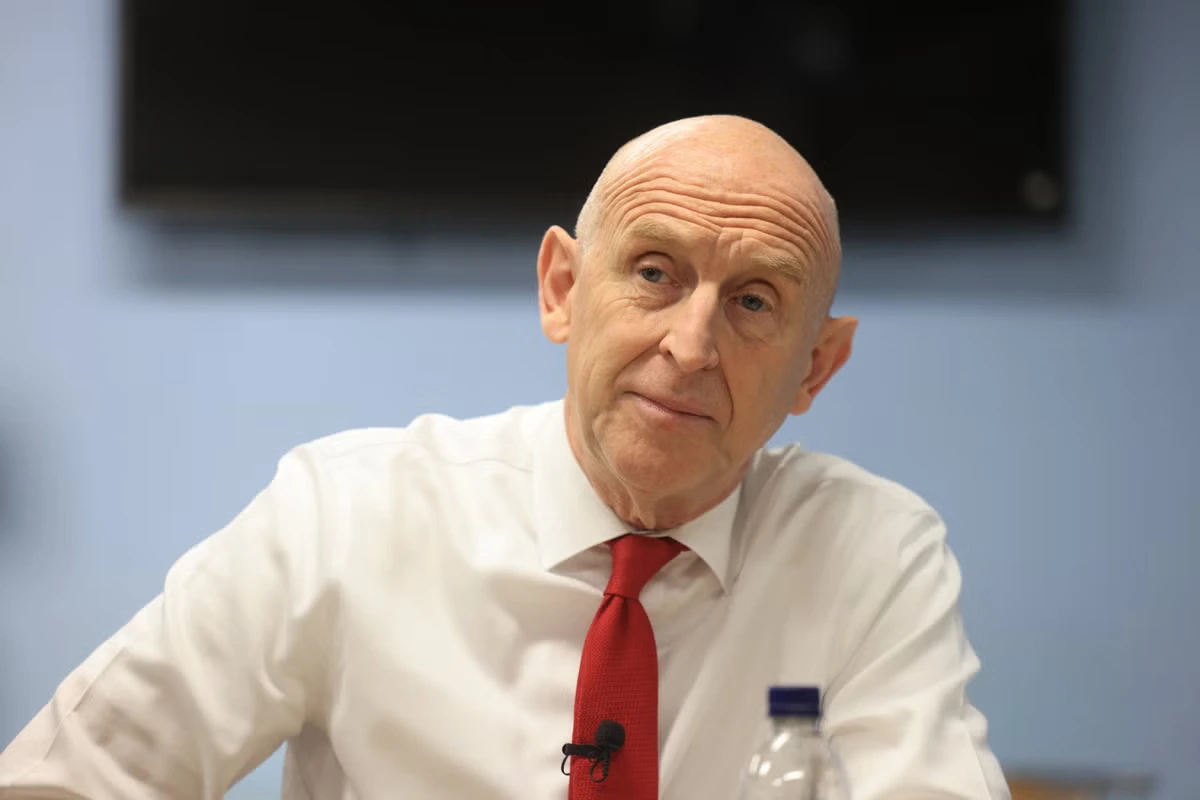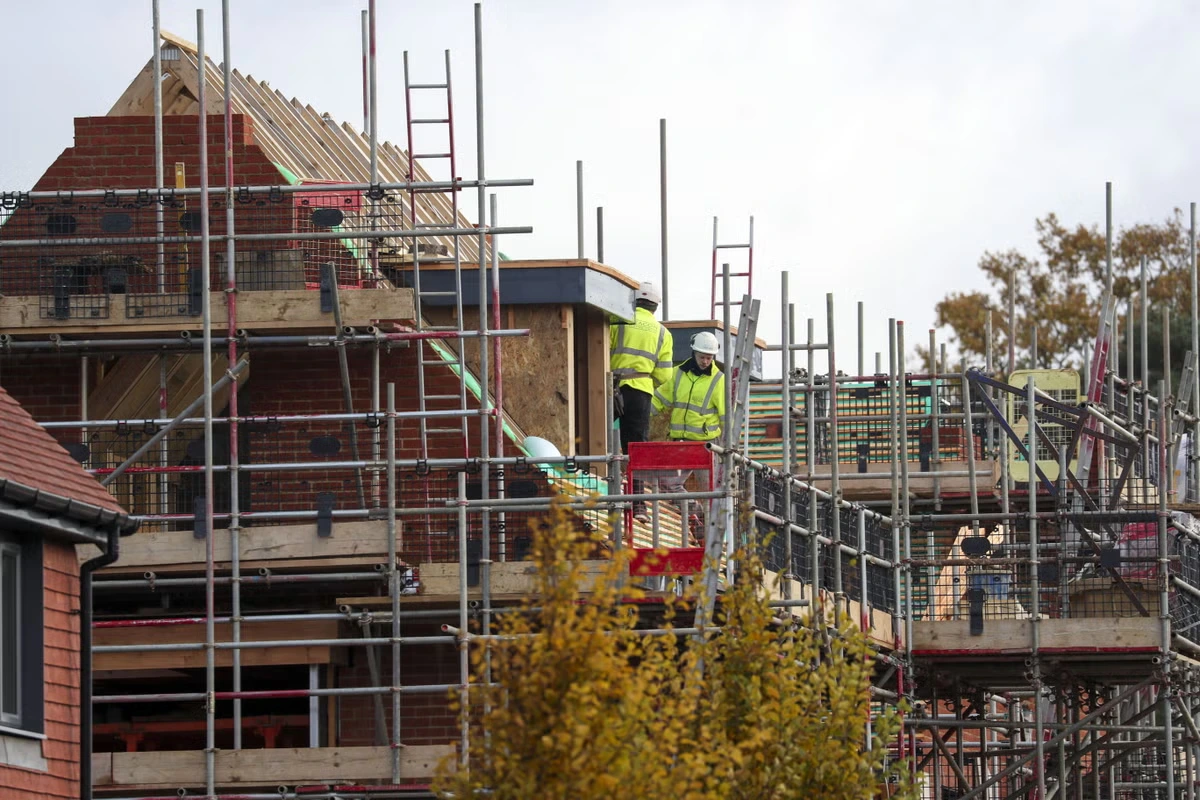
Andy Burnham has pledged a £10bn package to build tens of thousands of homes, marking the first indication of how the new prime minister plans to grapple with Britain’s housing crisis.
This initial wave of funding will build 70,000 homes across England, ministers say, at least 60 per cent of which will be social rented houses.
The funding comes from the previously announced £39bn Social and Affordable Housing Programme (SAHP) fund, agreed last year by former prime minister Sir Keir Starmer and former chancellor Rachel Reeves.
Announcing the plan, Mr Burnham said: “Councils built this country out of a housing crisis once before. Backed properly, and trusted to get on with it, they will do it again.”
The announcement forms part of the government’s plan to build 1.5 million homes by 2030 – a goal that housing secretary Angela Rayner has recommitted the Burnham government to, despite admitting it will be “challenging”.
It comes at a time of acute need for the sector. Experts warn that affordable housing has been in rapid decline since the 2010s, as builders and councils have only lost the ability to replenish it due to high costs and red tape.
On the ground, the required 300,000 new homes a year remains far off. The most recent data shows that around 203,000 new homes were delivered in England in the 12 months ending June 2026 – a rate that would see the final housing total fall short by half a million.
Trickier still is delivering affordable homes within this target. Under the SAHP, the government intends to deliver 300,000 homes for social or affordable rent by 2039.
In reality, pressure from developers – who make less money from these kinds of homes – has already started forcing local authorities to backpedal on their affordable home targets.
Most notably, the mayor of London Sadiq Khan reduced the quota for affordable housing in new developments in the capital from 35 to 20 per cent in November last year. He called this an “emergency measure”, designed to “kickstart house building in London”.
But it is not all bad news. Labour’s commitment to new housing has nonetheless brought early signs of movement to an industry forced to near-stagnation over the previous decade.
Official government data shows that 12,198 new social rent homes were completed in England in 2024/25 – the highest delivery rate since 2013/14.
A report from the National Housing Federation last month also revealed starts on 13,275 homes for social rent last year, up 57 per cent from the year before.
Campaigners warn that this, however, may not be enough.
Across 2024/25, the actual net number of homes for social rent dropped by 3,834. The Ministry of Housing, Communities and Local Government explained this was “driven in large part by sales of local authority stock”.
This was double the amount lost in 2023/24, which was 1,687, but less than the 4,055 lost the year before.
And in the 10 years to 2025, it is estimated that Britain lost a total of 180,067 homes for social rent.
Driving this trend is a combination of demolitions, the Right to Buy scheme which allows council tenants to buy their homes, and a push from house builders to deliver more affordable rental homes, rather than social rent.
To begin to tackle this, the government have brought forward plans to overhaul Right to Buy by increasing the minimum eligibility period to buy from three to 10 years’ tenancy, lowering the maximum discount, and not allowing social homes built within 35 years to be sold.
But to truly reverse this trend, Britain would need to build 900,000 social rented homes across a decade, groups including Crisis and Shelter have said.
This is more than four times above the government’s target of 180,000 homes for social rent – 60 per cent of the 300,000 SAHP builds – by 2039.
Against this backdrop, statutory homelessness in Britain continues to hit record highs. Around 134,000 households housing over 176,130 children are currently living in temporary accommodation, as of the latest statistics.
At the same time, over 1.3 million households are on their local authority’s waiting list for social housing. Most will likely never reach the top of it.
Leaders across the housebuilding sector have welcomed the prime minister’s commitment to unlocking funding for new social homes, many designated to be council-owned properties.
Sarah Elliott, chief executive of Shelter, said: “Today’s announcement puts councils back on the pitch in the fight to end homelessness.
“By giving local authorities some of the funding and support they need to start delivering social homes at scale again and ramping up the percentage of funds allocated to social homes, the government has laid the foundations for its council housing revolution.”
However, she added there are still “underlying obstacles” preventing councils from building, which need to be addressed at the upcoming Budget in October.
This includes the historic housing debt local authorities are grappling with, which rose from £29bn in 2012 to £31bn. Repayments on this were supposed to begin in 2012, but instead the debt has risen as Right to Buy proliferated under the Conservative government, meaning lower revenue for councils.
Many council leaders have also called for authorities to be able to access loans for housebuilding at 0.1 per cent, rather than the 4 to 5 per cent rates they are stuck with.
While these issues have not yet been addressed, Mr Burnham’s latest announcement marks a strong move towards empowering local councils to build more homes.
A target has not been set for council homes to be built as part of the SAHP, but several councils are expected to be partners in the £10bn funding commitment, while the seven local mayors set to benefit are expected to work with their local counterparts.
How the government allocates the remaining £29bn funding in the years to come will be decisive in meeting the level of building required to combat the ever-expanding housing crisis.