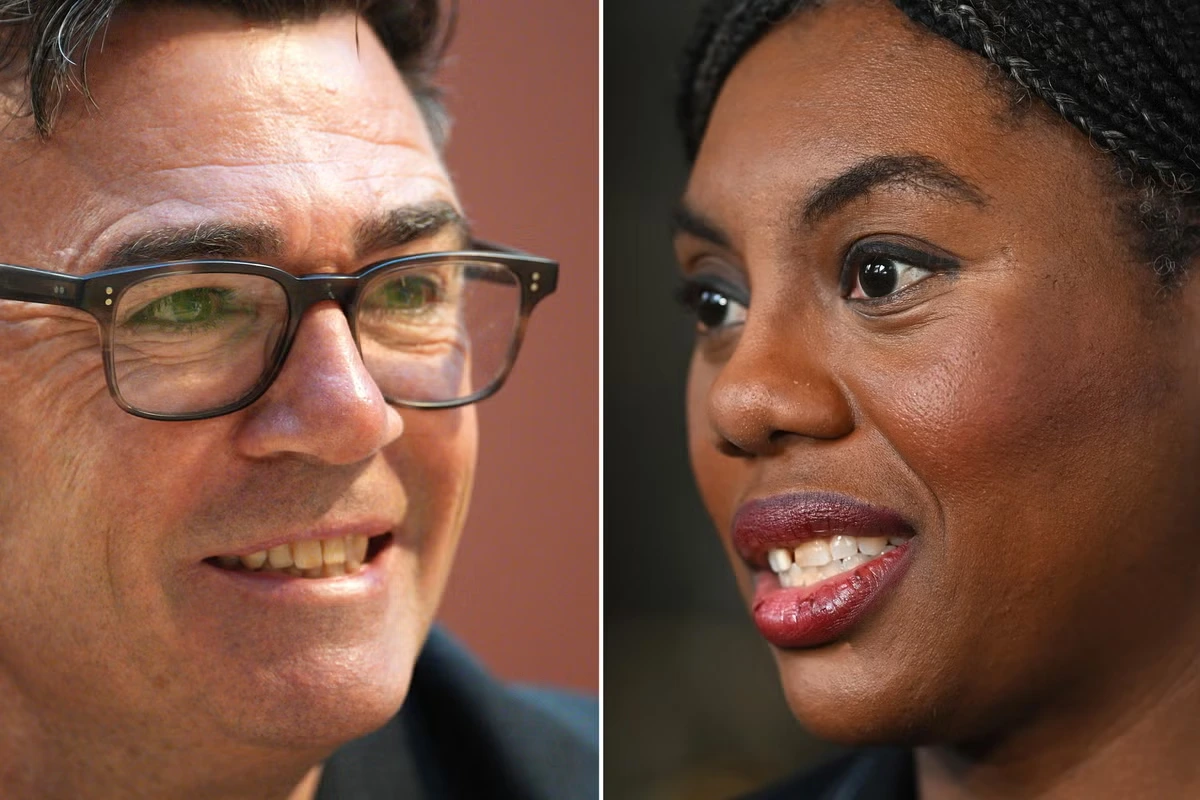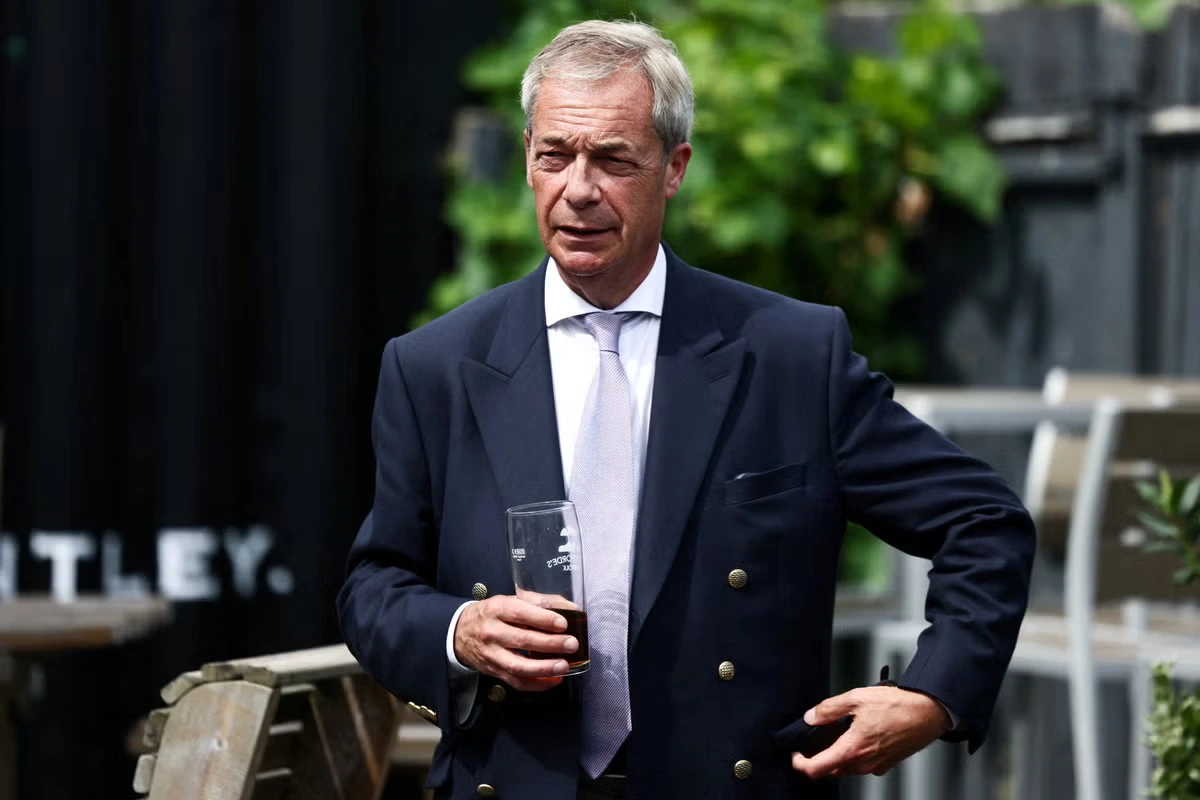
Does Nigel Farage, as leader of Reform UK, need more protection than the leader of the opposition, Kemi Badenoch? Should the police have to guard members of the Scottish, Northern Ireland and Welsh parliaments as well as those in Westminster? What about councillors? And retired MPs? Or significant public figures who are yet to be elected? Their families?
The killing of Ann Widdecombe and the arrest of a man for suspicion of murder, and for suspicion of the commission, preparation or instigation of acts of terrorism, has raised some difficult questions for Britain and its politicians. Potentially, there have been three assassinations of MPs or former MPs in the last decade, and while Britain is no stranger to political violence and public disorder, the 21st century has felt less stable and secure. There is much at stake for those concerned and for the functions of democracy.
They are not entirely transparent, because revealing all would obviously compromise individuals’ safety and the integrity of the system. However, it is well known that the prime minister and senior members of the government, or those with sensitive positions, do qualify for round-the-clock security, including at home and for their families, and sometimes trained drivers, armoured vehicles and police escorts. Apart from the prime minister, this includes the home secretary, foreign secretary, defence secretary and the secretary of state for Northern Ireland, which was, during the Troubles, a most attractive target for Republican militants.
The leader of the opposition gets similar protection, as do others on a case-by-case basis. Some figures, indeed, especially those serving in or associated with certain positions in Northern Ireland politics, receive enhanced protection for life (though this has relaxed somewhat since the end of the Troubles). It is also public knowledge that the mayor of London, Sadiq Khan, has been subject to death threats and has been given stronger security.
Plainly, they are treated equally in the sense that their needs are assessed, either by the speaker of the Commons or the government’s partly autonomous Royal and VIP Executive Committee (Revac, formally called the Executive Committee for the Protection of Royalty and Public Figures). But some high-profile backbenchers or opposition MPs may need more help than, for example, more junior ministers. Similar considerations apply to various members of the royal family – hence some of the arguments about Prince Harry and his family’s security arrangements.
The home secretary, Shabana Mahmood, is responsible for it and accountable to parliament for its decisions and performance. It is chaired by a senior civil servant, Sir Richard Mottram, and is made up of officials from the Home Office (Homeland Security Group), Cabinet Office (National Security Secretariat), the Foreign, Commonwealth & Development Office (Protocol Directorate), the deputy assistant commissioner of specialist operations of the Metropolitan Police, and the chair of the National Police Chiefs' Council Counter-Terrorism Coordination Committee. There are also three figures from the royal household. So a good deal of experience and expertise is brought to the task.
It is a matter of sometimes heated debate. Reform UK politicians argue that the official offers of protection, roughly on a par with Kemi Badenoch, represent a downgrade and a “cut” compared to his current private corps of bodyguards, personally approved by him. On the other hand, Farage would get a trained police driver and – this is speculation – an armed guard and better access to police back-up. Robert Jenrick, a Reform UK MP, told Mahmood in the Commons that “the home secretary is the ultimate arbiter of what happens in the Home Office. She is not powerless and no one would pretend so” and asked: “Does she agree that, frankly, it should not have taken the murder of Ann for him to be offered a meeting with the committee, and that many will conclude –perhaps unfairly, but none the less – that it is only because of the political views of the former member for Clacton that he is placed in this position?”
Mahmood maintains that the security of public figures should, for the obvious reasons implied by Jenrick, be operationally independent of the home secretary and other politicians. She has offered Farage a meeting with Revac; he has accepted and wants to “discuss the security of all Reform politicians, including those who are not MPs”.
It’s a huge question and there is no answer to it, except to somehow assess and manage the risks. All in, there are some 20,000 elected politicians in the UK, and if you add in their advisers and family members, plus various royal figures, judges, civil servants, diplomats and senior members of the armed forces, and then multiply them by retirees and non-elected candidates and politicians, then the task is beyond the resources of the state. Each case will be different.
Thus, Diane Abbott, subject to more threats than any MP, is likely more at risk of physical as well as emotional harm than, say, Peter Kyle, the business secretary. Female Black, Jewish and Muslim MPs, it’s fair to say, are more in need of security than their white middle-aged counterparts; but then again, Reform MPs might argue that they have a generally greater need than the Liberal Democrats.
Difficult decisions have to be made, bearing in mind how less well-known people can find themselves targets. Airey Neave, for example, was personally close to Margaret Thatcher but nominally only a minor parliamentary aide to her when she was leader of the opposition, yet he was blown up by Irish Republican militants in 1979, as was Ian Gow, similarly, in 1990. Twenty-four-hour surveillance would have saved them.
What is essential is that the body making those choices – Revac – should command the confidence of the public and the trust of those who feel vulnerable. The events of the last week have underlined that essential truth.