There is a scene in Annie Lord’s novel that will be instantly familiar to any young person who has spent time at a pub or nightclub recently. Daisy and Maya, two best friends in their mid-20s, are lamenting the paltry state of the dating market.
“It’s just shit out there,” Daisy says. “Every time we go out there’s, like, one decent single guy and then about 40 gorgeous women with master’s degrees and shag haircuts and what’s even the point in trying.”
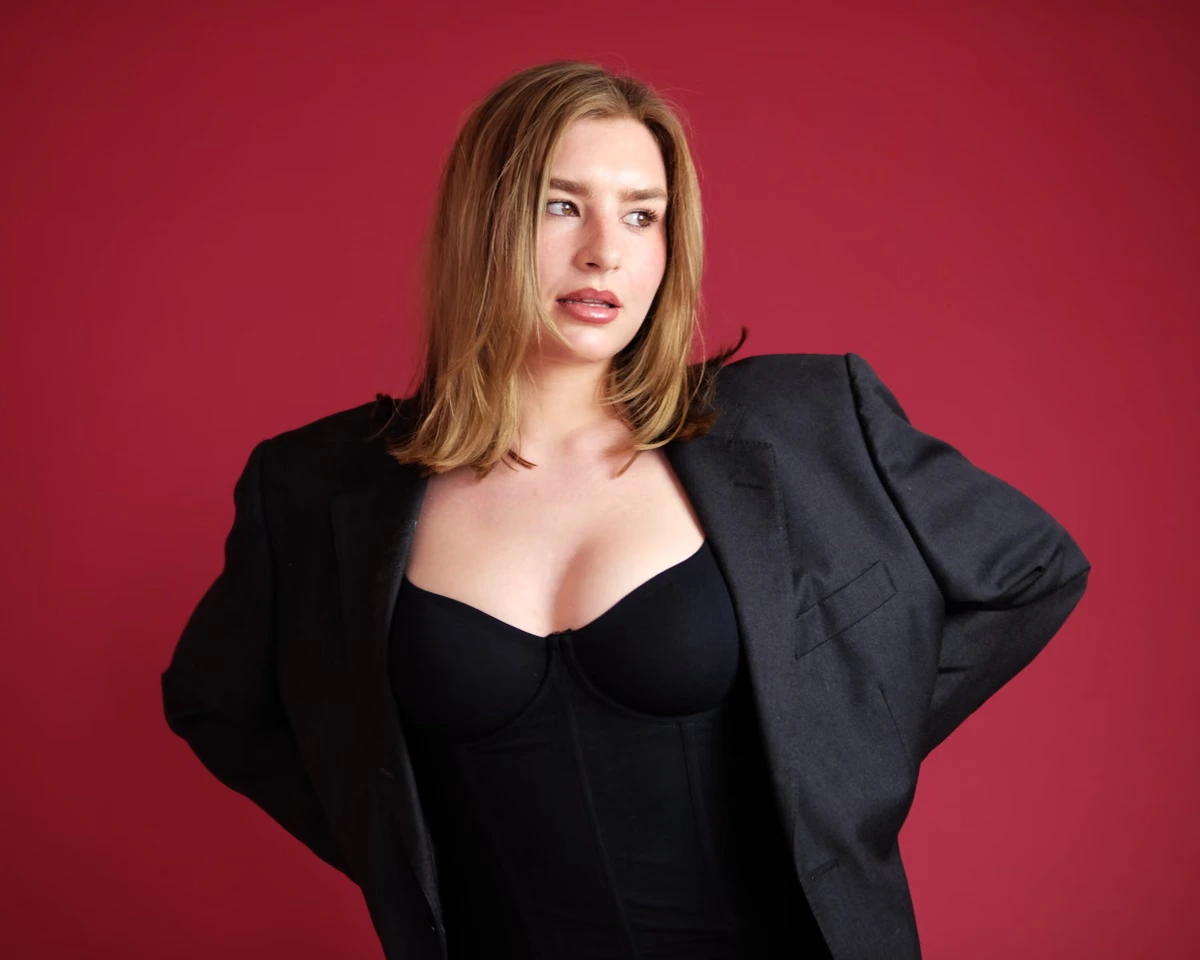
“That so fits with my experience … dating is very bleak at the moment,” Lord laughs, when we sit down in an east London cafe. “Something’s got to give!” The 30-year-old writer has built a career out of observing the intracacies and intimacies of modern dating.
In her mid-20s, reeling from a breakup, Lord wrote an essay for Vice about it. The piece went viral, a book agent got in touch and the resulting memoir, Notes on Heartbreak, published in 2023, became a cult hit. Written with the brutal honesty and detail of a diary, it transformed her from a freelance journalist into one of the most recognisable chroniclers of millennial and gen Z dating. Then came her fortnightly British Vogue dating column, in which she documented situationships, romantic confusion and the increasingly surreal experience of trying to find love in London.
“I always say that us breaking up was one of the best things that could have happened to me,” she says. “It was from that that so many things just snowballed.”
Now she has turned to fiction. Her debut novel, The Project, follows Daisy and Maya, two single women living in south-east London who, after years of wading through a sea of terrible dates with terrible men, come to a comical conclusion: if there are no decent men available, perhaps they should simply make one.
Daisy decides to take an underwhelming but potentially salvageable male friend named James and give him a physical and emotional overhaul: buy him better clothes, encourage him to talk about his feelings, take him to feminist lectures. “Maybe he wouldn’t be that bad if he just got some female friends, went to therapy, got a nice-fitting white T-shirt and read some books,” Daisy muses.
The original spark for the novel came after Lord briefly got involved with a friend-of-a-friend who was “quite laddy and a bit of a nightmare”, but a sweetheart underneath. She was writing another book at the time, but her friend joked that her next book should be about the reinvention of her fling. James, she insists though, is not solely based on her friend. “He’s a mishmash of loads of men I’ve dated or known,” Lord says. “The book is sort of a collage of my life.”
As with her nonfiction writing, in The Project Lord has an uncanny knack for turning the private observations of a group chat into compelling material. The novel captures the texture of contemporary dating with anthropological precision, in the way that Dolly Alderton, Helen Fielding or Nora Ephron did for previous generations of women.
Beneath the comic makeover setup, Lord raises the question: why do so many intelligent, attractive women feel as though the dating market is fundamentally broken?
Growing up on romcoms, Lord says she absorbed a vision of heterosexuality in which men competed for women, but the reality is very different. “You can feel desired all the time. Men catcall you, people tell you you’re attractive. But then you’re like, if I’m so desirable, why is it so hard to actually meet someone?” she continues. “I really hope that a lot of single women read the book and feel less alone.”
Lord grew up on the outskirts of Leeds, and has always had a penchant for confessional writing. At university, she had a column on sex and relationships in the student paper. “I’m not a very private person,” she says cheerfully. “I’m an oversharer. I’m not easily humiliated – I put my pain on show.”
That lack of embarrassment has become unexpectedly useful. For several years, Lord turned her romantic life into copy for her Vogue column, with articles such as Why Do I Get The Ick When Men Open Up to Me?, How Much of Yourself Is Too Much to Put into a Casual Hookup?, and Why Am I Suddenly Insecure in Bed?. It suited her natural tendency towards candour, but it came with complications.
“There were definitely people I was seeing where it made things weird,” she says. “People were sort of learning how I felt about something by reading it online.” Eventually, she realised she wanted a break from being the protagonist of her own work, and stopped writing the column in 2024. “I decided I wanted to prioritise my romantic life a bit more,” she says. “It was really exposing.”
Exposure, however, had already become an occupational hazard. When writing Notes on Heartbreak, which she says started life as a “crazy, long, deranged letter to my ex”, she had to navigate the fact that the central character of the book was not fictional.
“There were a few things [my ex] wanted taken out,” she says. “I already knew what he’d feel uncomfortable about ... He’s a way more private person than me. But it was never a book where I was trash-talking my ex.”
Even though The Project is a step away from the raw autobiographical territory of Notes on Heartbreak, there are moments of hilarious personal detail – Daisy finding a bit of toilet roll between her bum cheeks while she’s in bed with James, for example. “I actually think writing fiction is almost more honest for me, because there are things that even I might be too embarrassed to attribute to myself that I can just say,” Lord says. “I can write a sex scene and go into loads of detail because I don’t have to worry about embarrassing someone or invading their privacy.”
The Project arrives at a moment when heterosexuality itself seems to be undergoing a PR crisis. Terms such as heteropessimism have entered mainstream discourse. Dating app fatigue is widespread, and young women, including celebrities like Rosalía and Julia Fox, are identifying as celibate. Last year, a Vogue article titled Is Having a Boyfriend Embarrassing Now? sparked an internet storm, giving voice to a growing sentiment among young women that a relationship is no longer the ultimate marker of success or fulfilment it once was.
“I don’t know if it’s because the patriarchy has made women work on themselves so much,” Lord says. “Or because we’re raised to be more emotionally intelligent. But it does feel like women have done all this work and then finding someone who matches that is difficult.”
Does she think this dating malaise is a particularly modern phenomenon? “Dating apps have infiltrated our brains,” she says. “Even if you don’t meet someone through an app, often people treat each other as disposable because they’ve got the mindset of an app.” She has largely stopped using them herself. “People just flake on the day,” she shrugs.
And yet, despite spending years documenting heartbreak, disappointment and the absurdities of modern dating, Lord remains optimistic about her own love life. “I do think that one day I’m going to meet someone I really like and run off into the sunset,” she says. “I feel actually weirdly more sure of that than ever.”