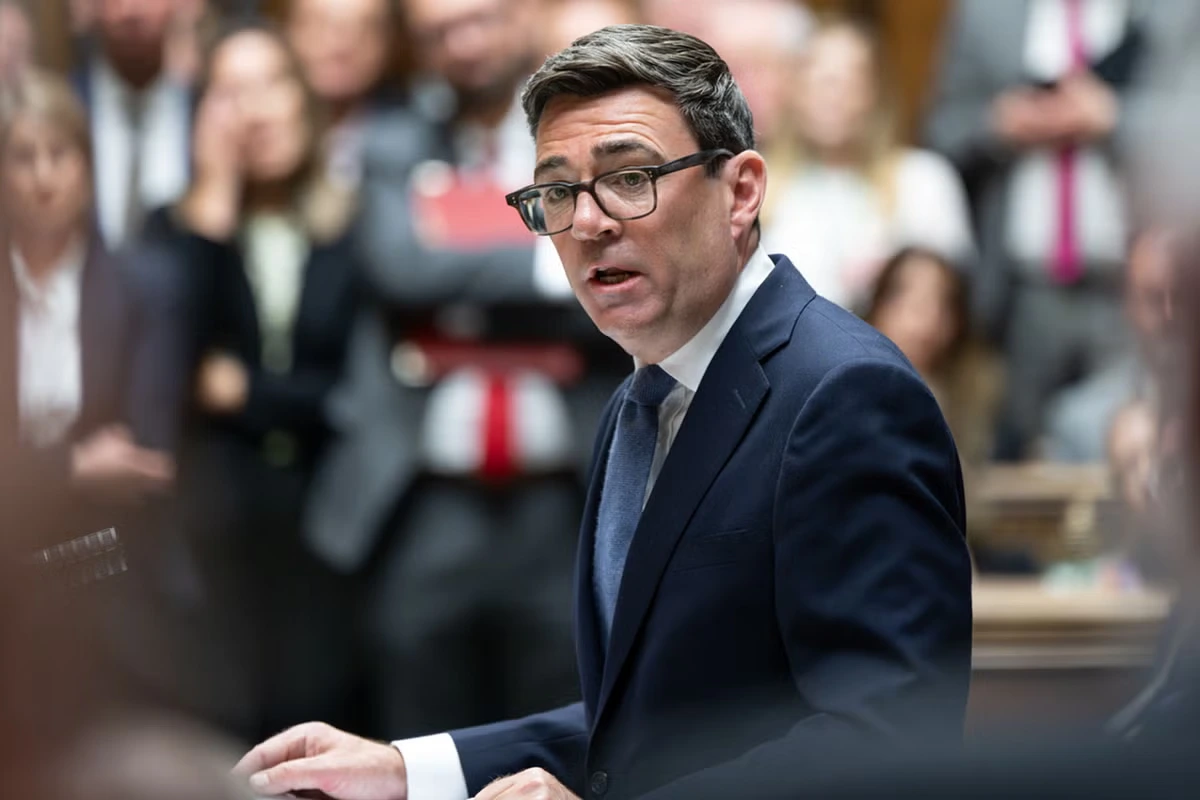
Burnham listens, Burnham acts. That seems to be the broad message coming from the new prime minister in his first few days in office. Acting like the big city mayor he was until very recently, he is fashioning his premiership with more than a whiff of populism.
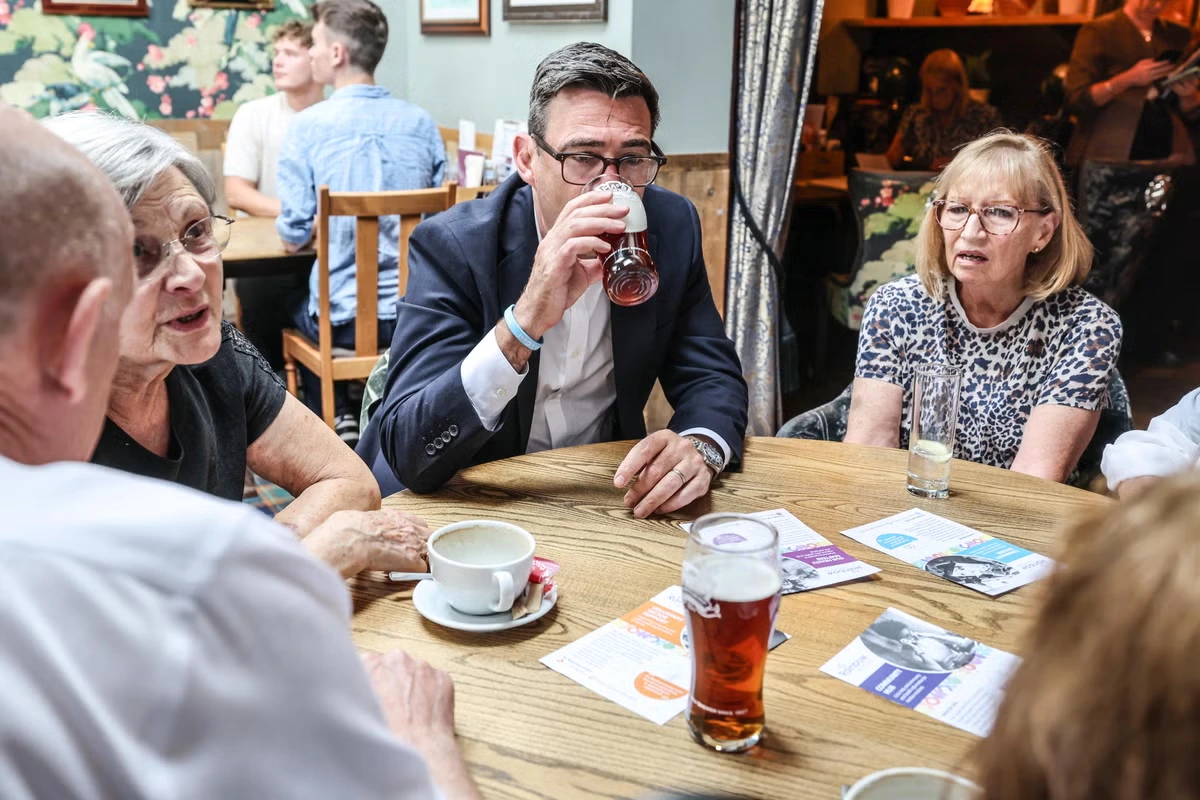
The eye-catching announcements are associated very much with Andy Burnham personally. Even if he’s had to backtrack and is still to find the money for some items, this has been his approach on rough sleeping, income tax, electricity bills, bus fares, the early release of prisoners – and pubs.
Public houses, clubs and music venues are having their business rates slashed by 20 per cent from next April.
Yes and no. Any help in the hard-pressed sector is welcome and, as the government argues, these venues are “at the heart of communities… they bring people together, support local jobs and help keep high streets and town centres busy”. More fancifully, they contribute towards the promised goal of “growth in every postcode”, though perhaps not literally.
However, it comes in the context of a steep rise in business rates across the board, caused by a general revaluation of premises and increases in tax rate paid by the various types and sizes of business. In addition, Rachel Reeves abolished the old 40 per cent business rates relief on the hospitality sector, cushioned by some generous but temporary transition arrangements.
Ministers claim a typical pub might save £1,100 a year – useful, but not life-changing – and venues will still face a rising tax bill from already-planned increases in business rates over the next few years. Pubs, clubs and restaurants have also been hit by soaring energy bills; weakened demand as customers are squeezed by the rising cost of living; post-Brexit shortages of labour; hikes in alcohol duties; higher minimum wage rates, cheap supermarket beer and wines, and increased employers’ national insurance contributions. So you can see why licensed premises have been closing at a distressing rate.
Overall, the measure announced on Thursday will cost £100m, which, like the other recent initiatives, is hardly trivial but is small in the context of £1.3 trillion in state spending. It’s supposed to be funded by higher rates on less socially useful activities such as vape shops and gambling arcades; the government says it will also crack down on businesses that sell through online marketplaces but do not comply with their tax obligations – but the tech giants have some powerful backing in Washington DC.
That’s what Kemi Badenoch is asking, because she says Burnham only has “small answers to big problems”. But, for now, like a nice cool pint, it’s going down rather well.