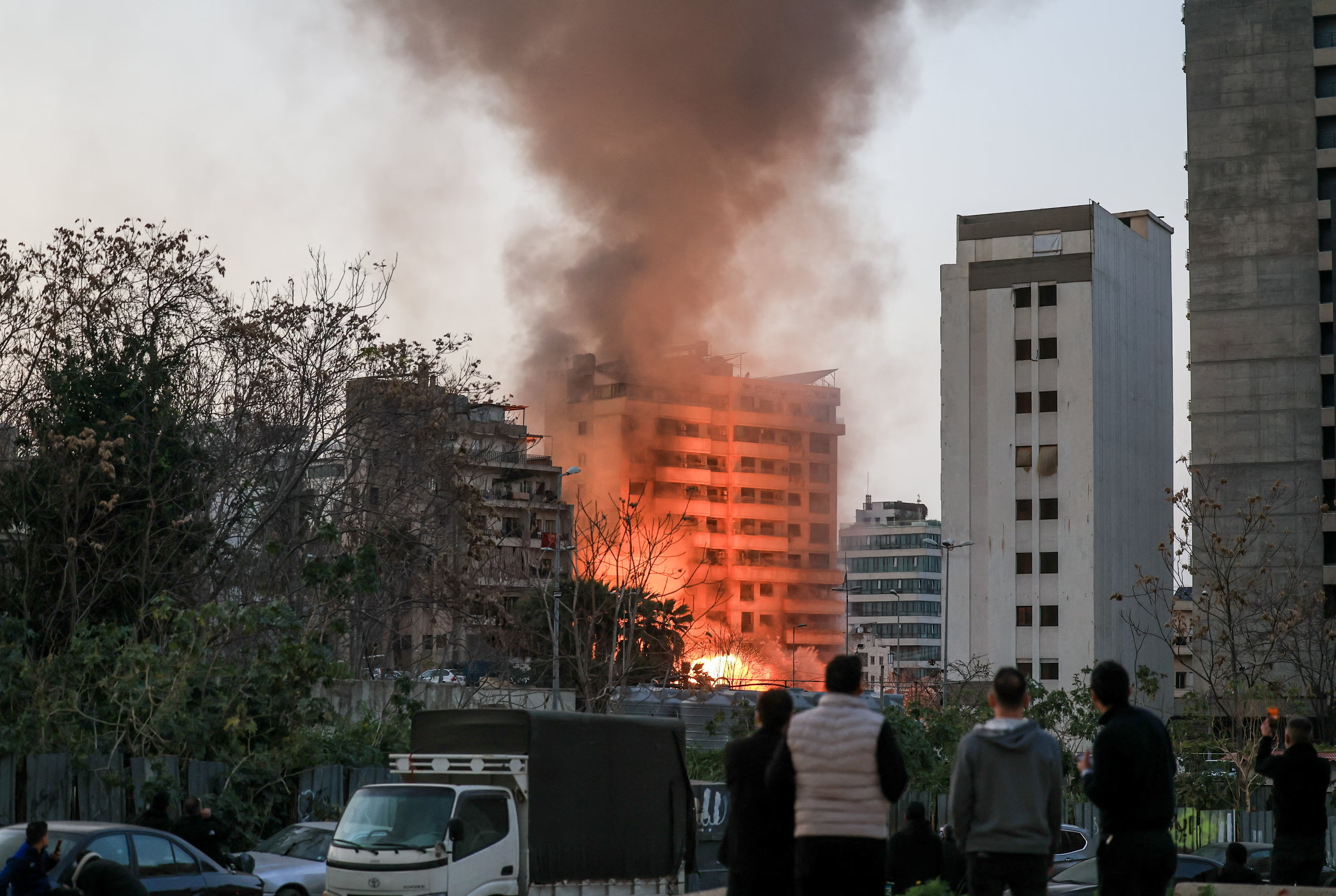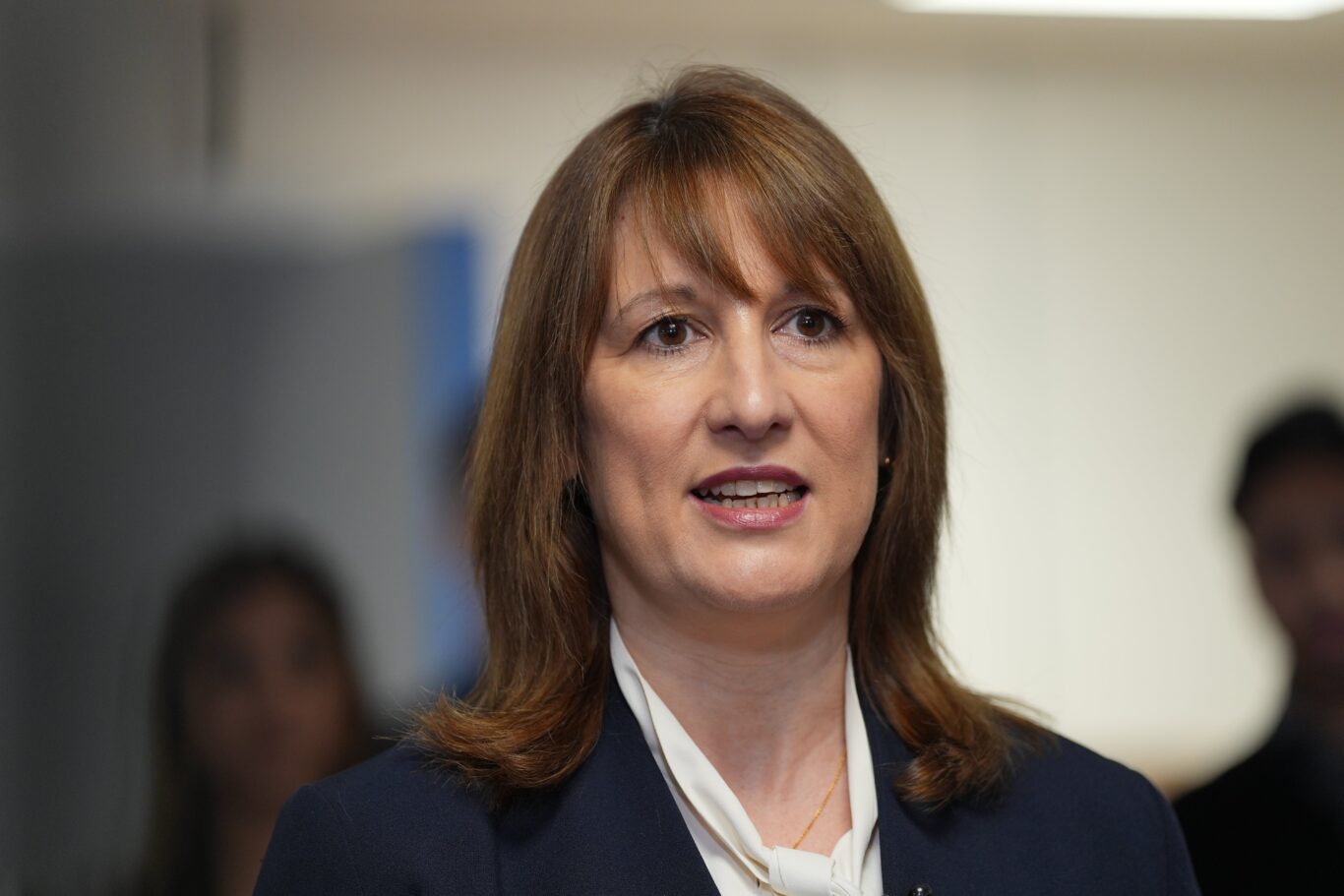
Rachel Reeves has insisted she “will not tolerate” energy firms exploiting the war in the Middle East as she vows to “crack down” on “rip off” fuel prices.
The chancellor and energy secretary Ed Miliband will meet with energy bosses on Friday to warn against profiteering amid soaring oil prices following the outbreak of the Iran war.
Concerns are growing about how the war will impact the cost of living in the UK, after Brent crude, the global benchmark for oil prices, jumped to more than $100 (£74) a barrel on Monday for the first time since 2022.
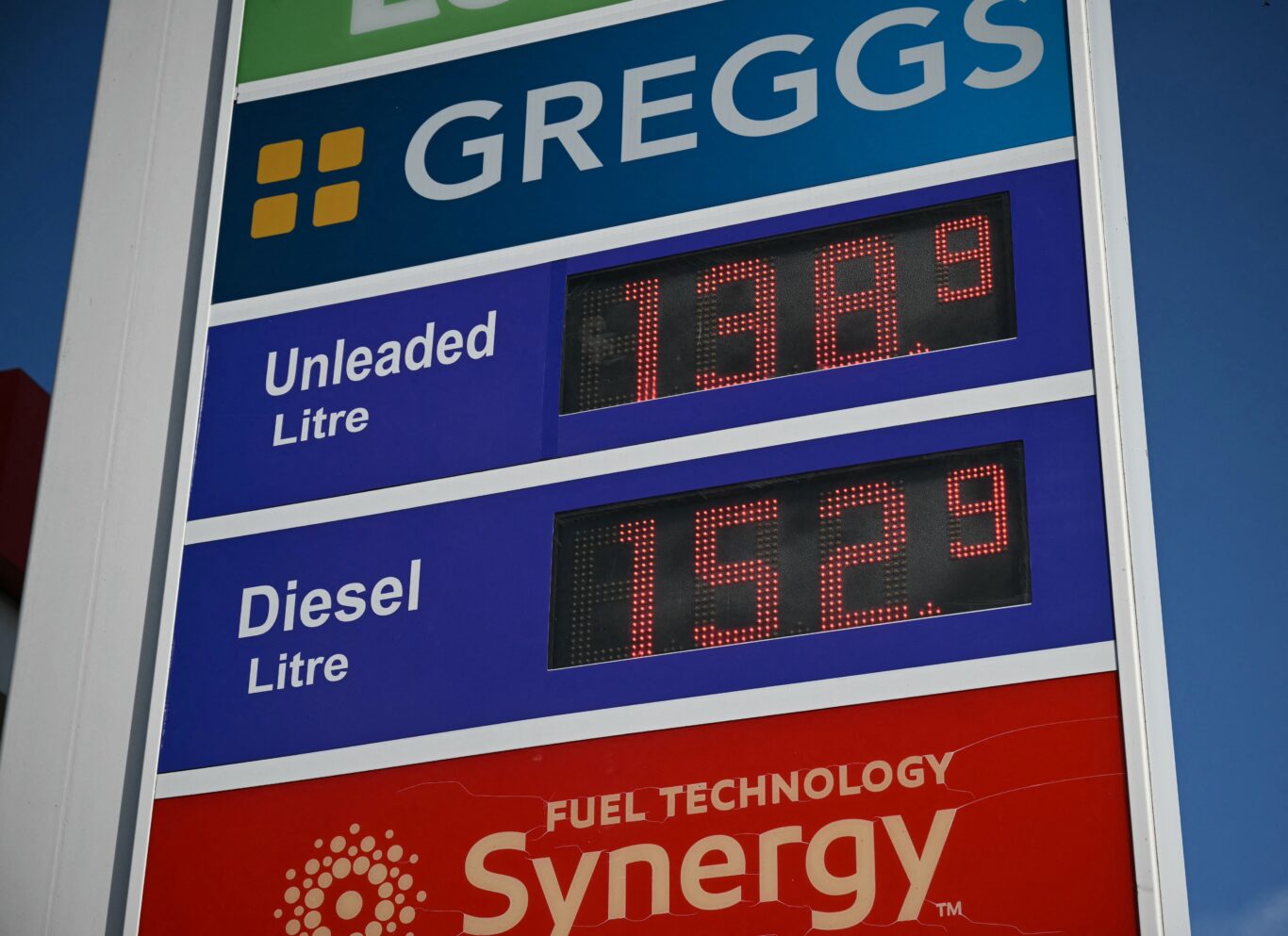
Among those most affected are customers using home heating oil, which is not covered by Ofgem’s energy price cap, while drivers are grappling with rising petrol and diesel prices at the pump.
Ms Reeves and Mr Miliband will press petrol retailers and energy suppliers to ensure drivers are not left paying “over the odds” in a Downing Street meeting.
Ahead of the talks, the chancellor wrote to the Competition and Markets Authority (CMA) requesting it to stay on “high alert” for “unjustifiable” price hikes, the ministry said.
“I will not tolerate any company exploiting the current situation to make excess profits at consumers’ expense. I’m backing drivers and families – and I expect a fair deal at the pump,” Ms Reeves said.
However, the AA warned consumers “will be stung” with inevitable rising costs because of a global hike in prices, and called on Ms Reeves to delay a planned increase in fuel duty.
The chancellor has faced opposition pressure to abandon her decision to gradually phase out a 5p cut to the levy, starting with a 1p increase from September this year.
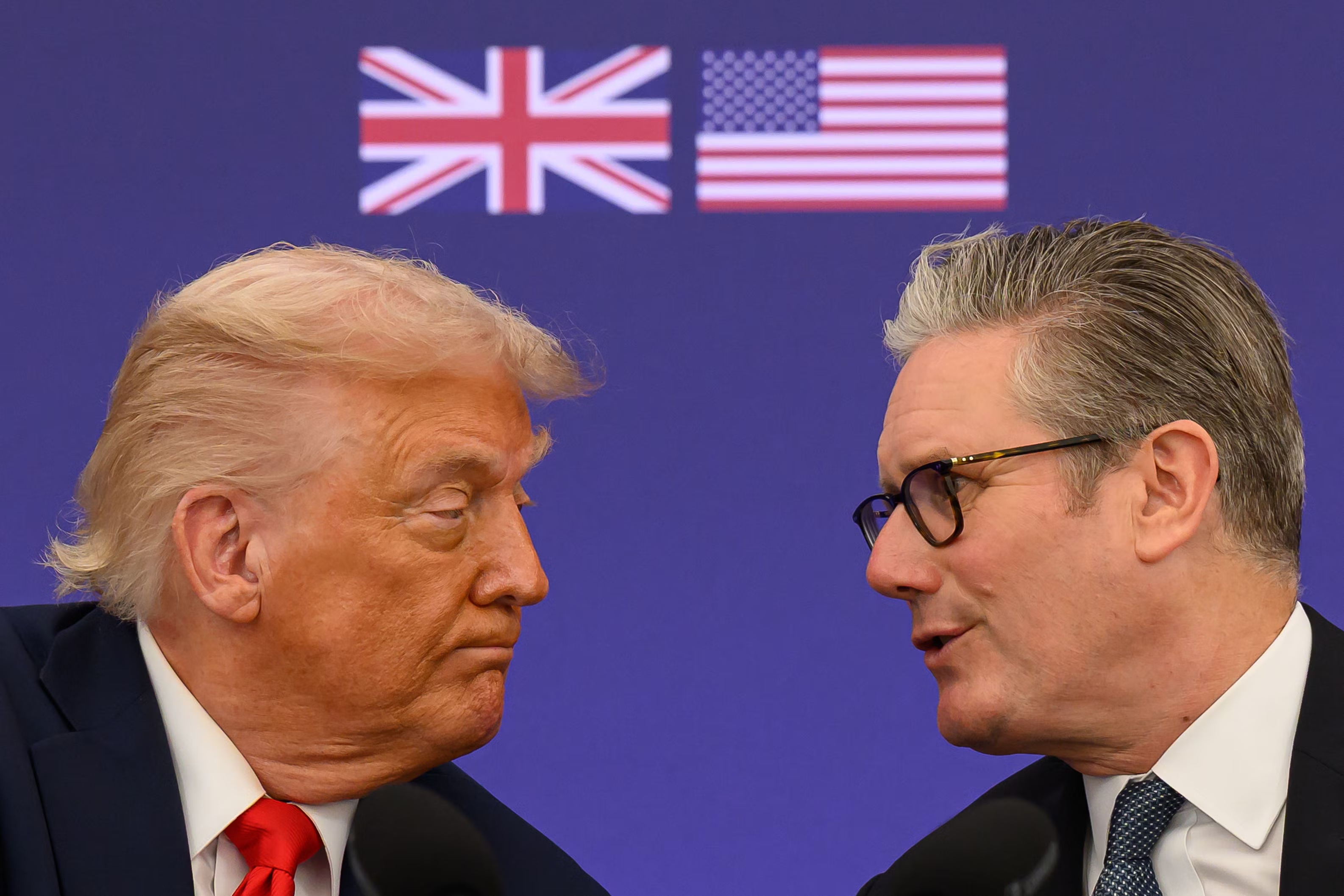
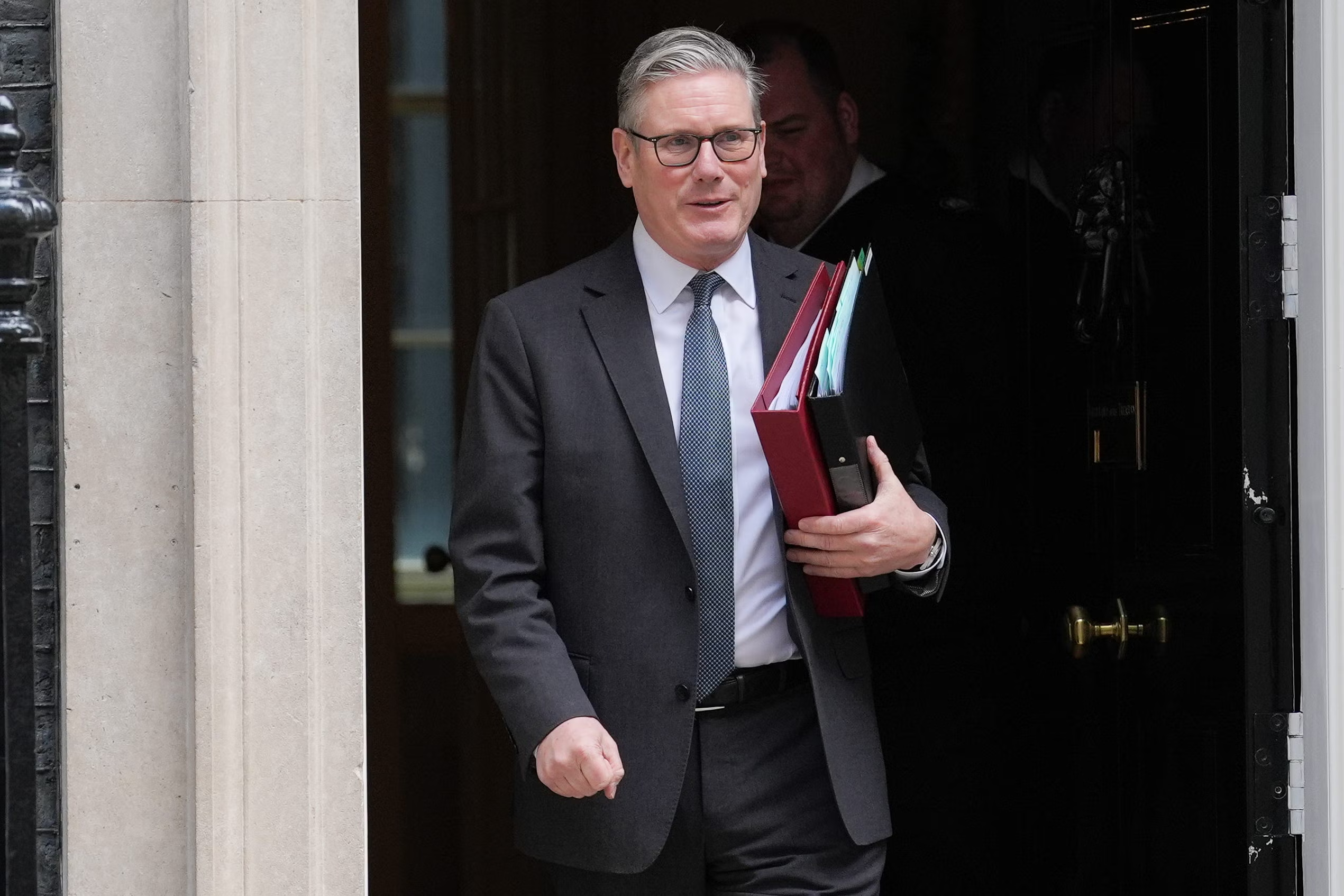
Prime minister Sir Keir Starmer has since said the government will keep the situation “under review” in light of the Middle East conflict.
The meeting comes as the government today unveiled an overhaul of the UK’s nuclear planning and regulation.
In an effort to speed up nuclear delivery, it accepted all recommendations of the Fingleton Review, which found an “overly complex” and “bureaucratic” system had held back the industry.
“As the current Middle East conflict shows, we need to go further and faster to build the clean energy we need to get off volatile fossil fuel markets and deliver energy security for our country,” Mr Miliband said.
“A crucial part of this is ensuring that we speed up the building of infrastructure in a way that reduces costs as well as delivering better outcomes for nature.”
While the reforms to ease Britain off fossil fuels are expected to be completed by the end of 2027, the CMA warned this week it was putting fuel retailers “on notice” of plans to step up monitoring of petrol and diesel prices in light of the Middle East conflict.
The watchdog told firms it was bringing forward formal requirements to supply revenue, costs and sales data.
The CMA said it will also consider how quickly fuel prices rise and fall as wholesale costs change and whether there is evidence of so-called rocket and feather pricing.
On Wednesday, the RAC said diesel prices had risen by nearly 9 per cent since 28 February. Petrol prices were on average 6 per cent more across the same period.
The government has said drivers can compare prices at different petrol stations across the UK through its fuel finder scheme, which has also been welcomed by the AA.
Mr Miliband said: “Tackling the cost of living is our number one priority – all fuel retailers must sign up for fuel finder so drivers can find the cheapest price at the pump.
“We will not hesitate to act to protect consumers against any unfair practices.”
The Tories said the chancellor had the power to ease the cost of living with policy changes but was failing to act.
Shadow transport secretary Richard Holden said: “She could cancel the fuel duty rise, she could cut the taxes piled on to energy, she could stop piling costs on to the price of fuel – but she isn’t doing anything because she doesn’t have the backbone.
“A 5p-per-litre duty increase at the pump will hit commuters, families, and small businesses already under pressure from the cost of living and Labour’s tax hikes.
“The latest developments in the Middle East make it even more important that the chancellor thinks again.”