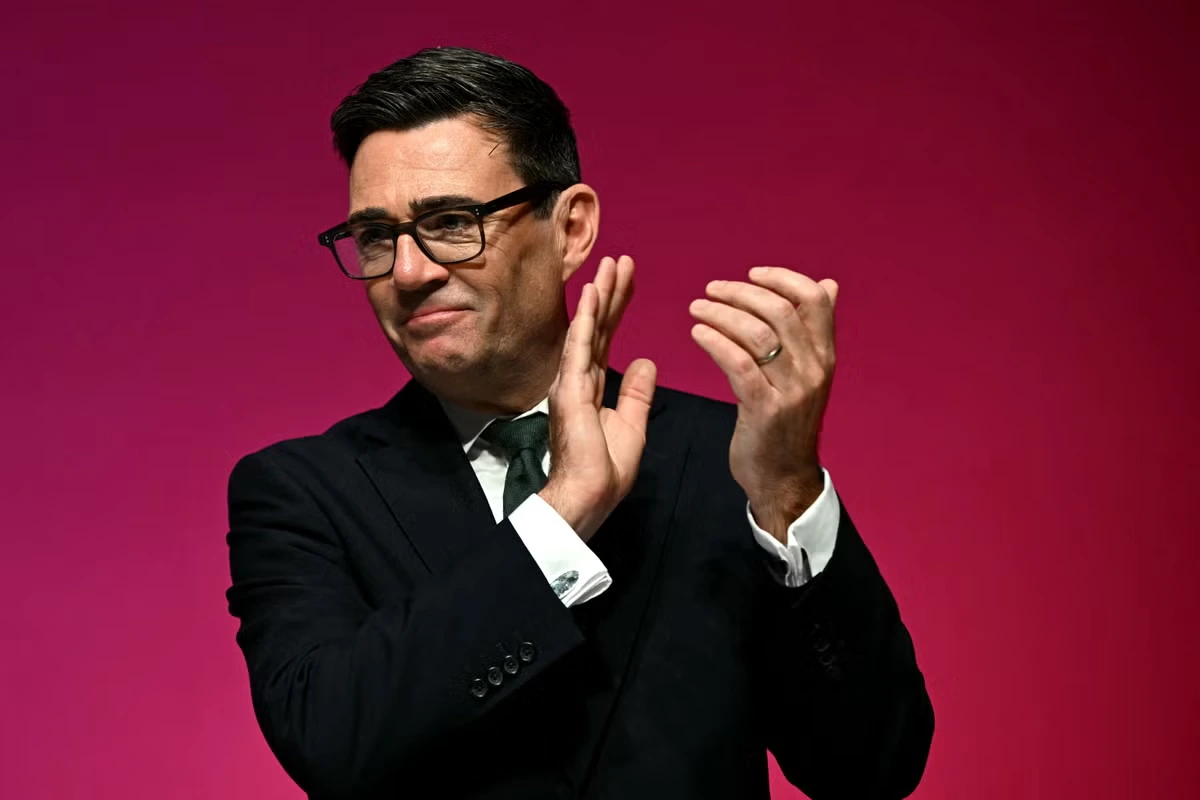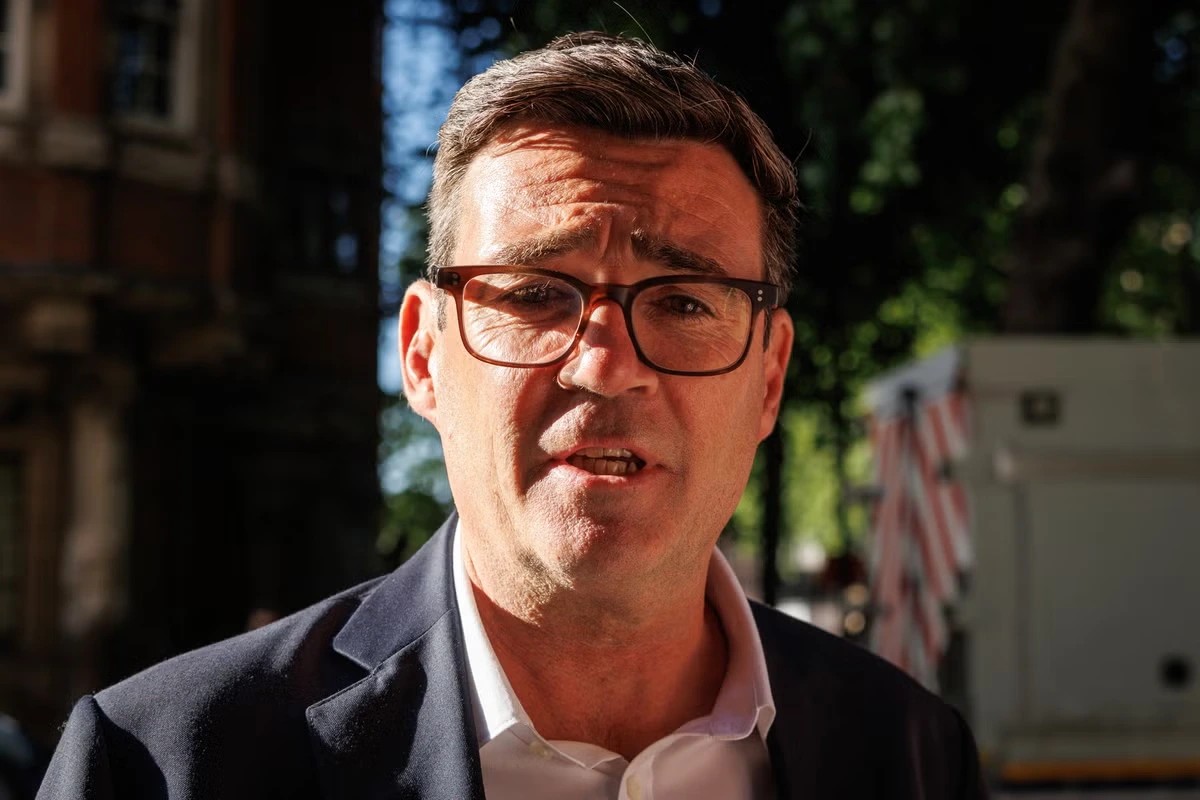
As Andy Burnham’s road to No 10 continues unopposed, the former mayor of Greater Manchester has shed some light on some of his economic policies.
In an interview on Thursday evening, Mr Burnham laid out how he may approach taxation once in power, suggesting there is “some room” in the Labour manifesto for “movement on tax”.
The Makerfield MP signalled he may look at hiking business rates on the giant warehouses, while lifting high street shops and pubs out of having to pay the business rates.
But he also told Andrew Marr on LBC that he plans to stick to Labour’s 2024 election manifesto promises of not raising income tax, VAT or national insurance personal contributions.
Here is a look at what Andy Burnham’s tax plans may be in No 10:
One obvious area Andy Burnham could look to raise money is raising income taxes.
However, this would be breaking one of Labour’s key manifesto pledges, which vowed not to raise taxes on working people, including National Insurance, basic, higher, or additional rates of Income Tax, or VAT.
On Thursday, Mr Burnham ruled out breaking Labour’s manifesto pledges on taxes, noting: “I stick by the manifesto and the promises that it made. So, let me be absolutely clear about that.”
Mr Burnham went on to say there is “some room” in the manifesto for “movement on tax”, specifically referring to business rates.
He signalled that he will introduce a so-called “Amazon tax” with a massive reform of business rates in a bid to save Britain’s high streets and pubs.
“There is some room within that manifesto for movement on tax, so if you take business rates, for instance, I believe there is a case for higher business rates on warehouses and the major developments we see on the outskirts of our cities, so that we can cut business rates for pubs, and I've proposed a 20 per cent cut and lift some high street businesses out of business rates altogether,” he said.
“I think it's important to, if you like, prioritise and reward the businesses that bring social benefit, the businesses that bring people together, the bars, the restaurants, the coffee shops, the hairdressers, because the high street really needs to get more of our attention.”
There have been growing calls for a wealth tax from left-wing Labour MPs, while polling conducted earlier this year revealed that 91 per cent of party members think the government should tax the rich more.
One way to do this would be an increase in Capital Gains Tax (CGT), which one of Mr Burnham’s top allies has called for in recent days.
Backing a “fundamental redesign” of the tax system, Louise Haigh said that CGT, a levy on the profit made from the sale of an asset that has increased in value, “should be brought closer to income tax rates”.
The proposal would mean CGT could be taxed at a 45 per cent rate, rather than the 18 to 24 per cent rate currently in place.
But the idea of a wealth tax has proven divisive among economic experts, with debates ongoing around its fairness, revenue-raising potential, and economic impact.
Andy Burnham has also previously suggested that council tax and stamp duty could be replaced, and has instead advocated for a land value tax.
This could see property be taxed on its market rental value.
In 2023, Mr Burnham also supported the abolition of inheritance tax in favour of a “national care levy” everyone would pay to contribute to a national care service, but said: “obviously the wealthiest would pay the most”.