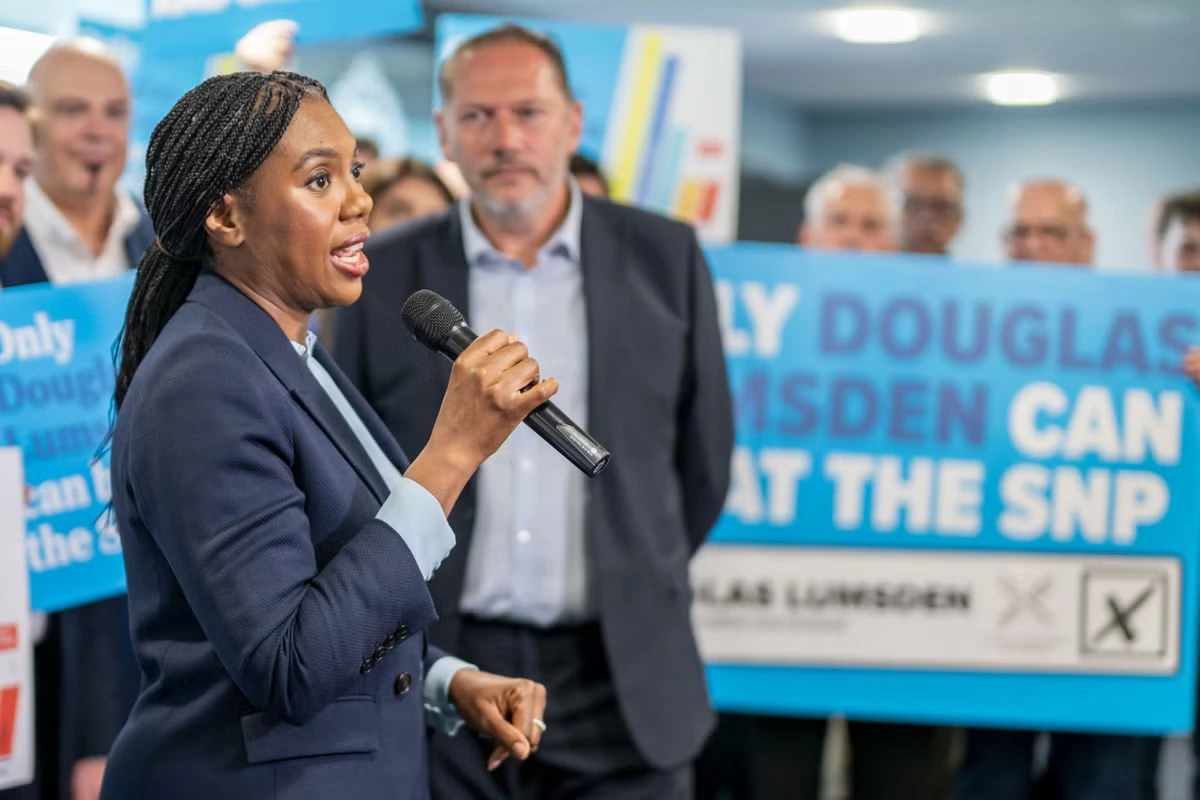
After a few tumultuous weeks in politics, it is fair to say that there is now only one party leader who has much to be cheery about: Kemi Badenoch. The Conservatives have won Aberdeen South from the SNP, and, for the first time since they fell from power at Westminster so ignominiously two years ago, they genuinely have something to celebrate.
This is the first Westminster seat that the Tories have won in a by-election since 2023, and their first by-election win in Scotland since 1967, when they took Glasgow Pollok from Labour. Indeed, they have never before won a Scottish constituency from the SNP in a by-election. They did so this time because the Labour and SNP votes collapsed over the impact of the parties’ respective green energy policies, and the depressing effect they are having on the North Sea oil industry, a major source of prosperity for this part of Scotland.
The Tories were also well placed to hoover up unionist anti-SNP votes, from Labour in particular. But there was nothing inevitable about the win, and it needed a strong local candidate and some organisation to ensure that they (and not Reform UK) harvested the tactical and protest votes.
Badenoch is the only major party leader to have seen a significant improvement in her personal ratings, boosted by some confident performances in the Commons and policy “wins”, such as the Chagos Islands deal. She has confounded her critics, and dramatically seen off rivals such as James Cleverly, and the more malign Robert Jenrick and Suella Braverman.
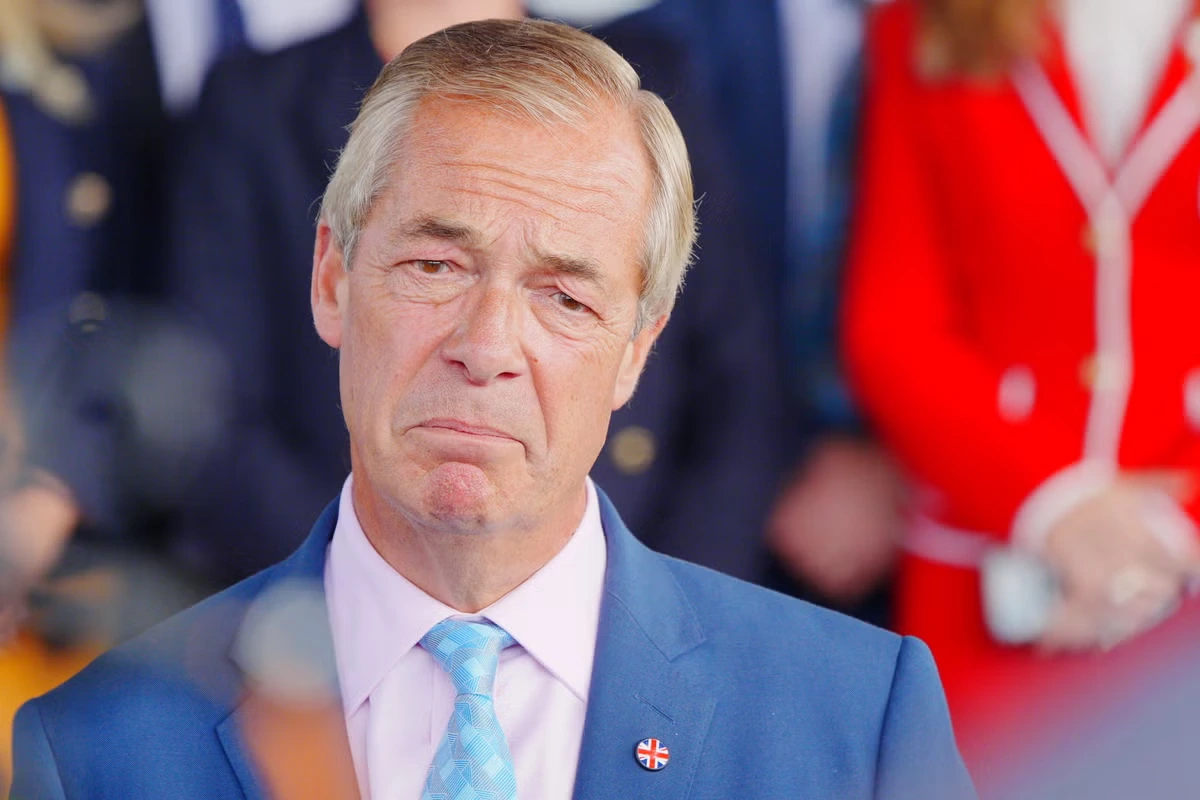
Andy Burnham’s undeniably impressive victory in Makerfield has left Keir Starmer looking increasingly vulnerable, while Reform’s showing has been “disappointing”, in the words of Nigel Farage. Ed Davey’s party was hardly involved, where once the Lib Dems might have been natural by-election challengers, and they have been pretty stagnant in the polls.
The SNP have lost one of their safer seats, formerly held by the leader in Westminster, Stephen Flynn, who’s moved to Holyrood. The Peter Murrell affair must also have had an impact, and these trends cannot be encouraging for SNP first minister John Swinney, even if his party held the other seat up for grabs on Thursday night, Arbroath and Broughty Ferry.
It’s not unthinkable, if only because of the relative weakness of most of their rivals. In particular, Reform seems to be losing momentum, and its popular support may have peaked last year. In such circumstances, some Reform voters, often previously loyal Conservatives, may be tempted to switch back to their old allegiance.
The revelations about Farage taking an undeclared £5m gift from a Thailand-based crypto billionaire won’t have helped, and neither did the “pure cold rage” response to the murder of Henry Nowak, or the ever more racialised policies launched by Farage while standing in the middle of a field.
Even that hasn’t stopped Rupert Lowe’s Restore Britain party from outflanking Reform on the nationalist right, and nicking a slice of its vote. Reform also chose yet another flawed candidate at the Makerfield by-election, suggesting a problem with vetting and the pool of talent, while the chaos in some Reform-controlled local councils is also tarnishing its credentials.
A bit. The Tories still had a fairly poor showing in the local elections last month, and they’ve slipped back quite badly in the Welsh Senedd and the Scottish parliament. Reform is still giving them grief. Even now, they have not recovered the level of support (23.7 per cent) they had when Rishi Sunak led them to a shattering, historic defeat in 2024.
There are two potentially fruitful electoral opportunities for the Tories, analogous to Aberdeen South. One is in places where they can peel away more uncertain Reform supporters, and attract tactical voters, even Greens, who want to stop Reform above all else. The second is where they can convince Reform voters, often disillusioned ex-Labour supporters, that only the Conservatives have the strength and experience to kick Labour out of power and form a credible alternative government, free of fruitcakes and closet racists, as David Cameron might have said.
What election-watchers need is a good by-election scrap in a Conservative-Reform UK marginal; fortunately, two might be held before too long. One is North East Somerset and Hanham, where the former Labour MP has been arrested in connection with serious offences, suspended from the party, and banned from the parliamentary estate.
This is the seat Jacob Rees-Mogg held until the last general election. Reform supporters love him, but he is sticking with the Conservatives, and is campaigning to “unite the Right”, with Conservatives, Restore Britain, Reform UK, and anyone else minded to converge and cooperate. If Farage still insisted on standing a candidate, he might well lose again.
The other constituency is Central Suffolk and North Ipswich, where sitting MP Patrick Spencer has been charged with serious offences (to which he has pleaded not guilty) and has lost the Tory whip. Former Reform chair David Bull is rumoured to be interested in taking on the party candidacy there.