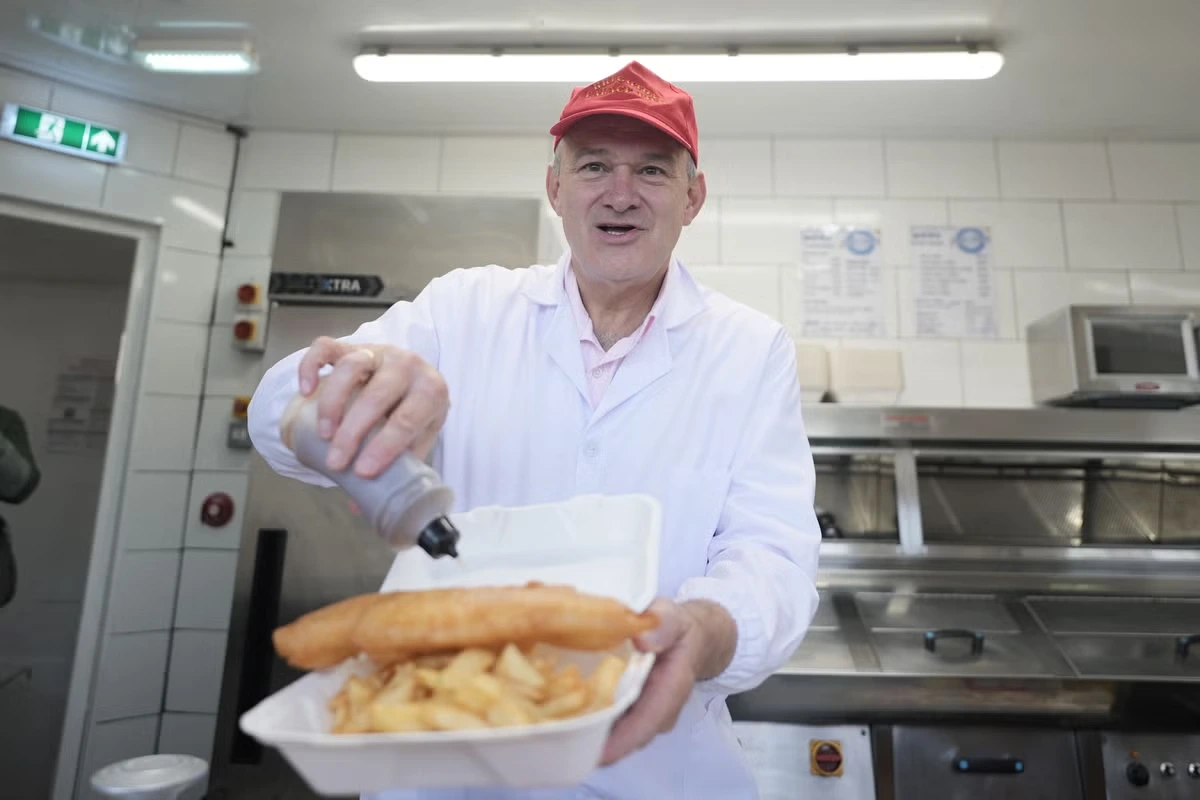
It is almost as if the Liberal Democrats have just experienced an especially acute case of “Fomo”. Having watched all the other national parties endure a leadership change since the 2024 general election, they decided that they’d like to join the fun and so a couple of MPs and a local council leader decided to try and oust Sir Ed Davey, who has been leader since 2020.
The coup quickly failed, and Sir Ed survived his crunch meeting with MPs, a quarter of whom would have been required to back a no-confidence motion in order to topple him. So this tragicomic operetta is over for now; but the disgruntlement in some quarters with Sir Ed isn’t over.
Apart from being a strong, uniquely liberal and radical voice free of vested interests, they are a formidable roadblock along the Tories’ path back to power. The 72 MPs Davey leads (up from 11 before the 2024 election) are overwhelmingly in ex-Conservative constituencies, without which Kemi Badenoch doesn’t stand a chance of winning an overall majority and forming a stable government. By the same token, they are also a considerable bulwark against any possible Conservative-Reform arrangement that would thus see the hard Right in power. The last time Liberal Democrat electoral support collapsed, in 2015, the Tories were the greatest beneficiaries. In a hung parliament, as is likely, they would be kingmakers.
Even by the standards of the mostly obscure Liberal Democrat parliamentary party you won’t have heard of the two MPs who quit in protest at Sir Ed’s failure to advance the party in the polls. The would-be Catesby in this plot is Charlie Maynard, the member for Witney (once represented by David Cameron and Douglas Hurd, and thus a perfect example of a Tory/LibDem seat that Ms Badenoch needs to win).
Among all MPs, Maynard was only backed publicly by Alison Bennett, who won Mid Sussex for from the Tories in 2024. However, they were endorsed in their cause by the leader of Devon County Council – the Guy Fawkes of this scenario, who attempted to blow up Sir Ed’s leadership with a charge that the party is “sleeping into irrelevance” and that Sir Ed is “not saying the things that people can relate to”.
Senior LibDems have backed Sir Ed – notably former leader Tim Farron, along with the only MPs who might conceivably replace him: Daisy Cooper, Layla Moran, Callum Miller and Josh Babarinde.
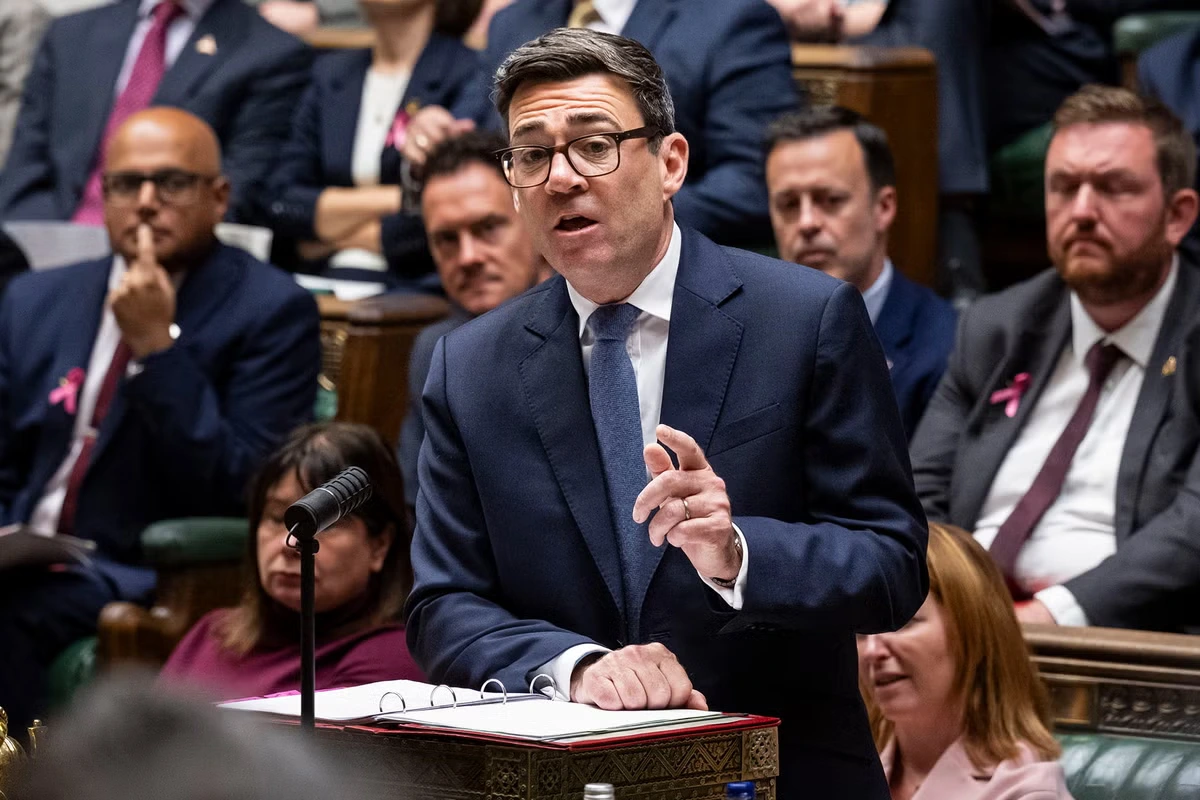
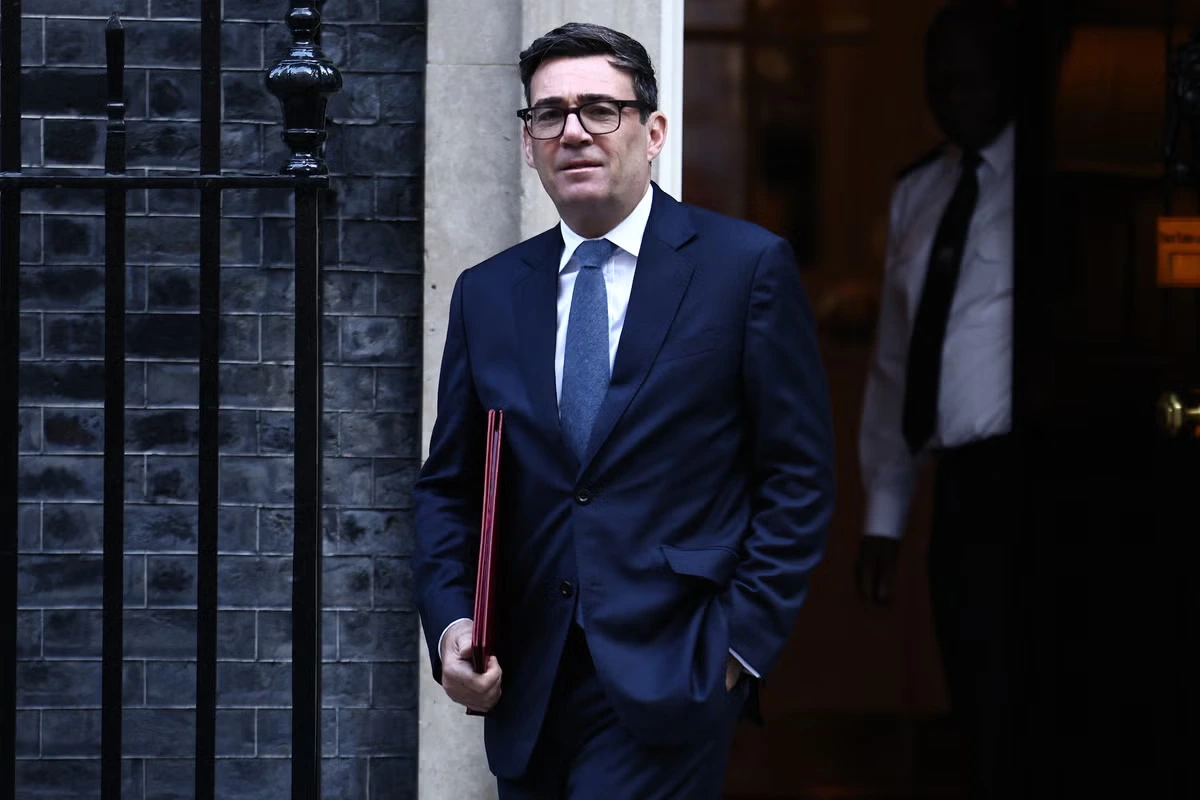
Unhappiness about Davey is a bit unspecific. Some just think he’s not as good a politician or communicator when set against Andy Burnham or Nigel Farage, and dislike his stunt-based “man in a wetsuit” style of campaigning. Others take issue with his radical stance on trans rights, the preservation of the pension triple lock (actually an old Lib Dem policy introduced in the 2010-15 coalition), their weak presence on social media and their stagnant opinion poll ratings, running a bit lower than at the last general election.
Lib Dems are also a little discombobulated by Burnham, who has adopted (or at least he says he has) their traditional special causes of PR, a federal Britain, a written constitution and closer ties with Europe. On social justice, trial by jury and Israel-Palestine Burnham is also edging a bit closer to them. They’re losing some of their USP and looking for inspiration and more vigorous leadership.
Sir Ed’s greatest strength – that the public isn’t polarised by him or what he stands for – is also his greatest weakness. Opinion polls show that, of all party leaders, he has the greatest proportion of voters who say they don’t know if they approve or not (36 per cent) – more than the number who think he’s doing a good job (a negligible three per cent of voters think he’s doing a very good job). That’s a sign that he is not getting his message across.
On the other hand, he can more easily attract protest and tactical voters who can’t bring themselves to support one or both of Labour or the Tories – especially those more liberal and prosperous pro-European ex-Conservatives who fear and loathe Nigel Farage (who is viewed unfavourably by a whopping 69 per cent of voters (including 57 per cent who view him “very unfavourably”).
Indeed it is not too much to say that, based on their speeches at their respective conferences, the next election in much of the south, southwest and east of England will be about who these moderate voters believe. Will it be Sir Ed Davey, who says Badenoch will let Farage into government; or Kemi Badenoch who says she’ll do no such thing but that Davey will prop up a “socialist” administration led by Burnham.
Not really, as there isn’t anyone obvious to replace him and the favourite, Cooper, wouldn’t do anything very different in terms of positioning the party. She’d also have to establish herself, which is never easy for the leader of a third-placed party. The Liberal dilemma is bigger than any one man or woman. At least, with Sir Ed, voters vaguely know who he is and they display powerful indifference towards him. In the current state of affairs, that’s a win.