Given the prospect of usurping the prime minister and triggering a sharp change of direction for the UK government, it’s perhaps understandable there has been such a media focus on the Makerfield by-election, even though it’s only one of three such contests taking place this week. Voters in two Scottish constituencies are also going to the polls – in Aberdeen South, and in Arbroath and Broughty Ferry.
Two SNP MPs at Westminster resigned because they had been elected as members of the Scottish parliament: Stephen Flynn, who had been party leader in the Commons (Aberdeen South) and Stephen Gethins (Arbroath and Broughty Ferry). Holding a “dual mandate” across UK legislatures is now illegal.
Not as much as in Makerfield, it’s fair to say. Even if the SNP lose both seats, it won’t make much difference to the balance of power in the Commons: Labour would still command a landslide overall majority, and the SNP would still be a minor player, down to five MPs – fewer than Reform UK and on a par with the DUP. (The SNP has had “third party” status but this was recovered by the Liberal Democrats at the 2024 general election.)
With elections for the Scottish parliament held only last month, we also have a clear idea of the current state of public opinion in Scotland. But it will nonetheless be interesting to see what impact the Peter Murrell embezzlement scandal – which has raised serious questions about SNP governance – and the deepening leadership crisis in the Labour Party are having on voters.
Very likely – but as with so much in all kinds of British elections nowadays, that outcome depends a good deal on tactical voting amongst a kaleidoscope of parties. Coming soon after a narrow first-place result at Holyrood (but short of a majority) and with Labour in disarray, the SNP should be able to hold both as unionist opposition parties divide the anti-SNP vote while some swing SNP/Labour defectors turn back to the nationalists.
If things had gone better for the government, a gain from the SNP might have been on the cards in Arbroath and Broughty Ferry, where the SNP was only 859 votes (1.9 per cent) ahead of second-place Labour in 2024. Winning Aberdeen South would be a considerable stretch even in a very good year for Keir Starmer, which this isn’t. Hanging on to second place and “challenger” status would be an acceptable result.
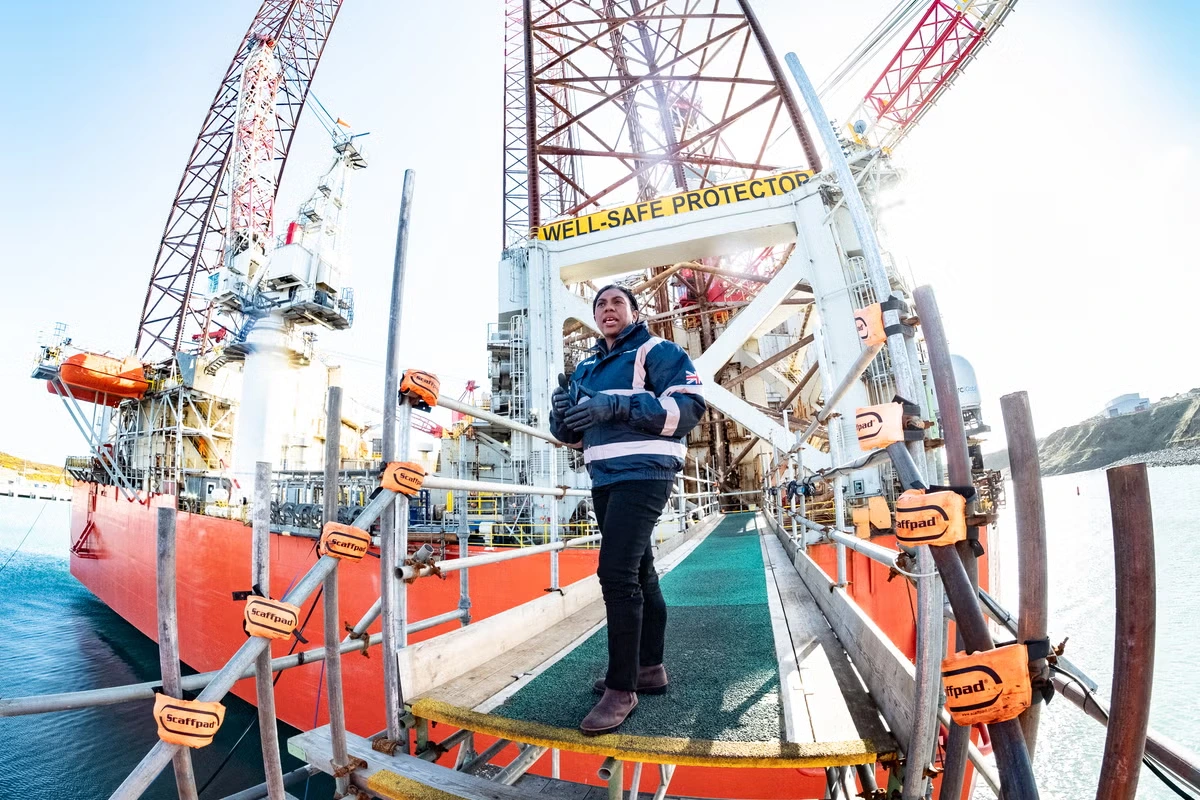
In Aberdeen South, it’s possible – if unlikely. The Scottish Tories finished just behind Labour in third place, and are the most plausible rivals to the SNP. It is also promising ground, having been Conservative territory as recently as 2017-19, and Kemi Badenoch has been bullish about wanting to expand the North Sea oil and gas operations that have helped make this area prosperous. It was no coincidence that Aberdeen’s role in the energy sector was helpfully raised at PMQs by Badenoch’s stand–in, Claire Coutinho. The Conservative candidate, Douglas Lumsden, is also a well-known local MSP. Having said that, they’d still need a swing of more than 4 per cent and the Scottish Conservatives would struggle on the basis of recent results and polls. Lumsden will also have to contend with the surge in support for Reform UK – though Reform itself might also be susceptible to a squeeze given the particular electoral arithmetic in this seat.
If Lumsden were to clinch victory it would be the first Westminster by-election win for the party in Scotland since 1963, when Alec Douglas-Home won Kinross and Western Perthshire to facilitate his becoming prime minister.
Bookies make the SNP heavy odds-on favourites to win in both constituencies, but you never know.