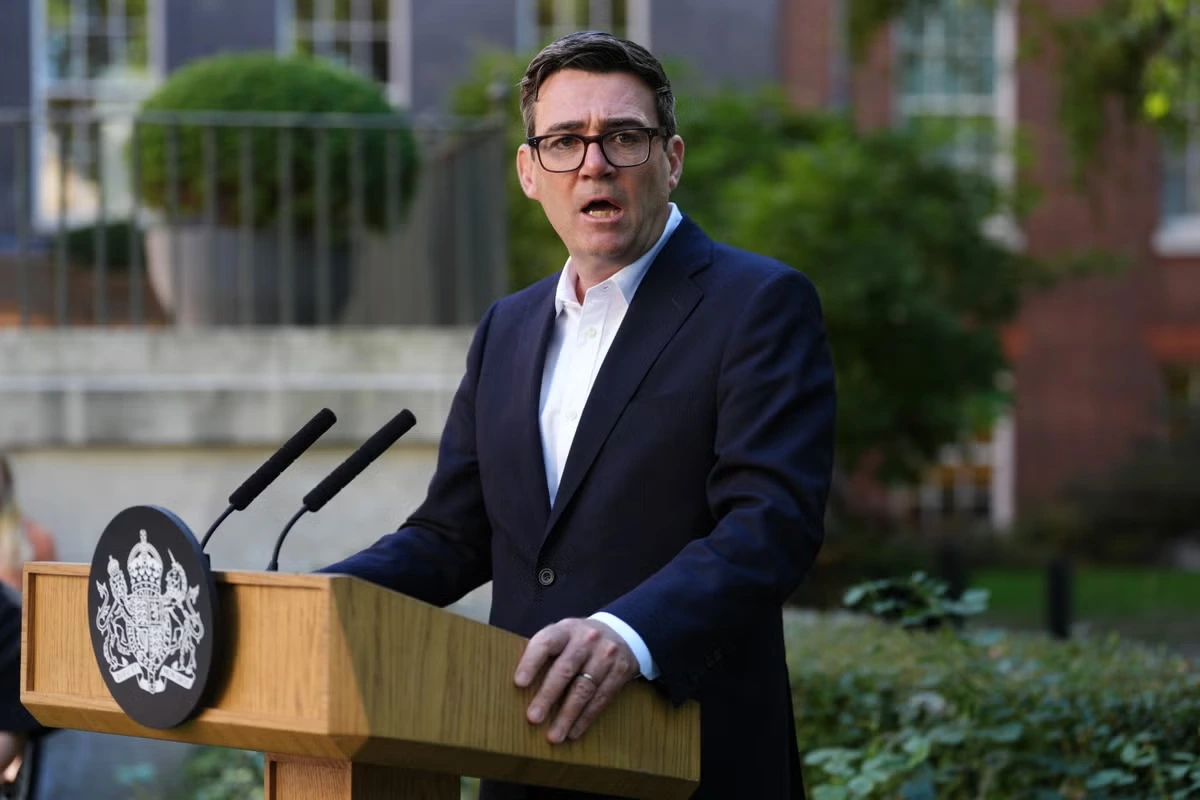
Britain will provide military support to Saudi Arabia to counter attacks by Iran-backed Houthis and protect energy supplies, Andy Burnham has confirmed – marking his first authorisation of military action as prime minister.
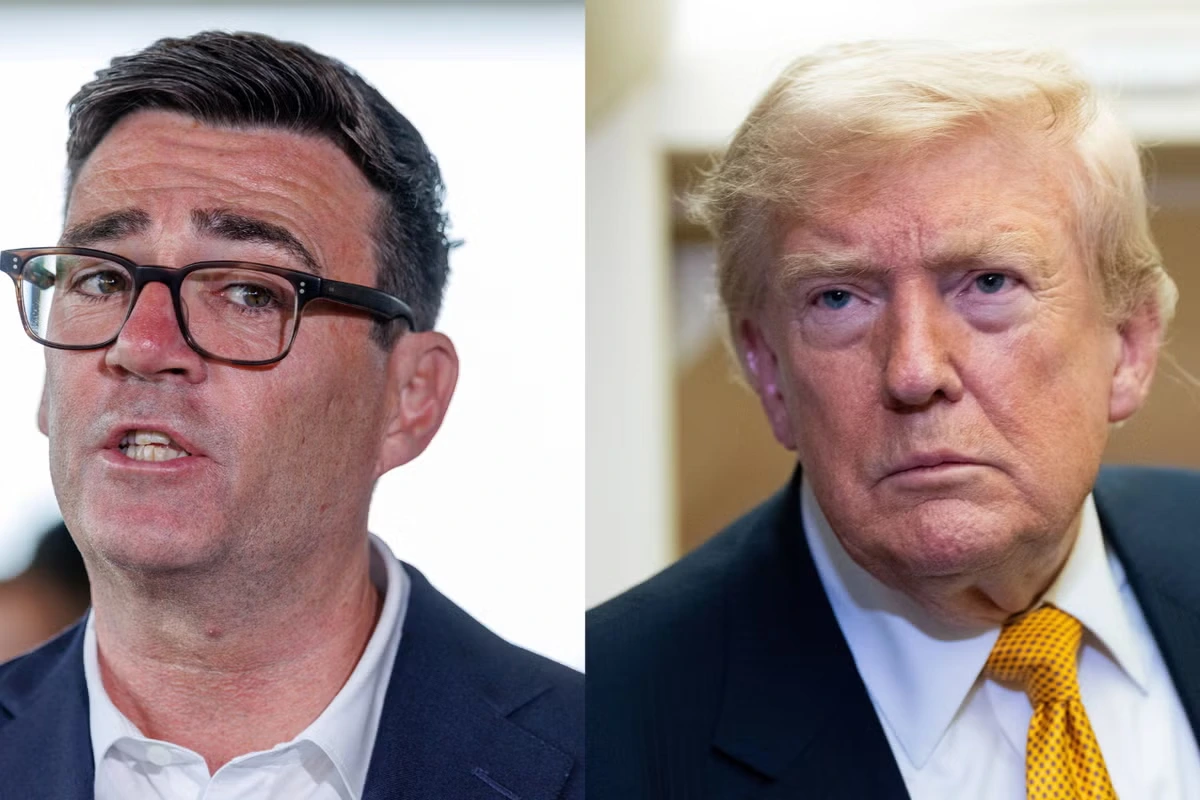
Speaking to The Independent en route to New York for the UN General Assembly, where will meet Donald Trump face-to-face for the first time, Mr Burnham revealed he had agreed to Riyadh’s request for defensive air-to-air refuelling.
Advances by the Houthis in Yemen in recent weeks have also seen the rebel group launch attacks across Saudi Arabia, extending the wider Middle East conflict and further threatened global energy supplies.
The Independent understands that the UK is expected to deploy support within days, involving a single Royal Air Force aircraft.
The support is understood to be focused on defensive capabilities, but could include shooting down drones, which is considered a defensive measure.
Mr Burnham said: “We have received a request from the Kingdom of Saudi Arabia for military support, and on the advice of the defence secretary and the foreign secretary, last night I agreed to that request for defensive air-to-air refuelling, and that’s the agreement that we’ve given.
“And I go back to the point I made about cost of living pressures and acting to secure the interests of Britain and the wider region, because of course Saudi Arabia has been experiencing attack, is looking at potential further disruption, and we need to keep those pathways open.”
The prime minister later said the agreement was time-limited. It is understood that the time limit is weeks not months.
The UK government says some civilians have been injured after drone and missile launches targeted several cities, airports, military bases and energy infrastructure sites across Saudi Arabia, including in Riyadh and Jeddah, as well as Saudi shipping vessels in the Red Sea.
Concerns were raised in parliament last week about how Houthi attacks led to the closure of a 1,200km east-west pipeline that allows Saudi crude oil to bypass the Strait of Hormuz and facilitates the export of millions of barrels a day.
It has been a key alternative route since the start of the war in Iran and its temporary closure has led to fears about the impact it could have on oil prices.
The latest flare up follows a dramatic escalation in fighting between the Houthis and Yemen’s Saudi-backed, internationally-recognised government, after the rebel group seized control of parts of the Red Sea coast, threatening Saudi oil exports, and launched strikes over the border.
The Saudi-led coalition in Yemen accused the Houthis of targeting Mecca, saying an incoming drone was destroyed over the holy city last week.
Saudi Arabia issued security alerts for Mecca - along with Taif and Jeddah - but Houthi political bureau member Mohammed al-Farah denied the group had targeted the holy city, calling the allegation “an outright lie”.
The Houthis, who have controlled Yemen’s capital since 2014, have announced several major attacks on Saudi Arabia in recent weeks.
Saudi Arabia has launched hundreds of strikes in recent days on the fighters' positions in the highlands, the Houthis say.
According to the United Nations, nearly 700 people have been killed and thousands injured in this flare-up in fighting.
Nearly 130,000 Yemenis have fled homes within Yemen, and more than 3,000 have fled by boat across the Red Sea to Africa.