UK democracy is under “immense and increasing strain” because of disinformation increasingly being spread by artificial intelligence (AI), with just 3 per cent of the public able to very easily tell if a video online is genuine.
Fact-checking charity Full Fact said there had been a surge in AI-assisted content in the last year and information had become too easy to manipulate and harder to trust.
It called on ministers to act, including with stronger rules on ‘political deepfakes’ - digitally created or altered content, often in the form of false images, videos and audio recordings - to protect trust in elections.
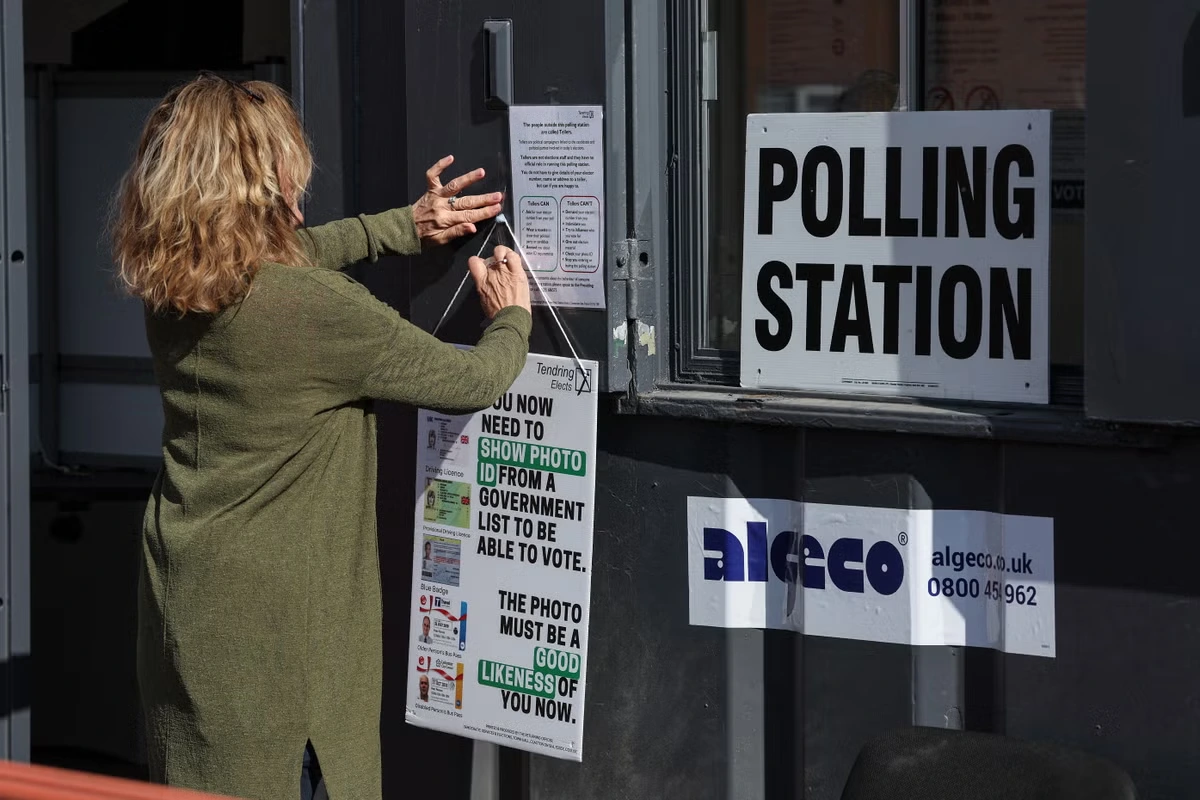
"As voters in Makerfield prepare to cast their votes in a high-stakes by-election, it’s clear that many people are struggling to decipher fact from fiction, and to have confidence in the information they’re being served," the organisation warned in annual report for 2026, Strengthening the UK's Democratic Information Environment.
The Independent recently revealed that around 16.5 million UK adults, almost one in three, were exposed to political deepfakes in the month before May’s English local elections.
Next week voters will go to the polls in Makerfield for a contest that could decide Britain’s next prime minister if Labour candidate Andy Burnham, who has said he will challenge Sir Keir Starmer, wins the seat.
Full Fact warned that electoral law needs to catch up with the realities of modern campaigning and that voters should know who is paying for political adverts and when deepfakes are being used.
It says the government “missed the chance to strengthen these safeguards before the recent May elections and the Makerfield by-election” but can put them in place before the next general election.
But Chris Morris, the chief executive of Full Fact, warned the UK risks “falling behind” internationally as he said that “decisions taken now will shape whether future elections are defined by confusion and mistrust, or by clarity, confidence and democratic resilience.”
“Other democracies facing similar pressures are beginning to move toward more coordinated approaches built around transparency, preparedness and accountability. The UK risks falling behind if it continues to respond in a piecemeal and reactive way.”
One challenge facing Makerfield and future elections is that voters are increasingly unable to tell what is real and what is synthetic, the charity warned. A new YouGov poll, carried out for Full Fact, found 80 per cent of people are concerned about political misinformation and just 3 per cent find it very easy to tell whether a video online is genuine or AI-generated.
Nearly half the public (48 per cent) say political misinformation has affected their trust in institutions, including the government and parliament, while two-thirds, 66 per cent, think ministers are doing too little to address AI-generated misinformation.
The report warns that misleading use of genuine information is more common than outright fabrication and certain policy areas are more frequently associated with misinformation - including crime, immigration and the economy.
On the rise in AI, Full Fact says that in November 2024, it suspected AI involvement in four of the fact checks it published. By October 2025 this had risen to at least 27.
A Full Fact investigation also found examples of AI overviews that repeated debunked claims from social media, made up information about world events, failed to identify AI-generated content or video game footage and “produced contradictory results for identical searches”.
The organisation warned that information online is “becoming harder to trust, more challenging to navigate and all too easy to manipulate”.
“A healthy democracy depends on the ability of citizens, institutions and communities to understand facts, recognise what is real, reach shared understandings about things that matter, and be able to make informed decisions. This is now under immense and increasing strain,” its says.
The election period just before a vote poses serious challenges, it also warns. Even a small number of credible-looking items can “generate uncertainty that outlasts corrections”.
It pointed to last year's presidential election in Ireland which was rocked when, three days before the vote, a deepfake falsely claimed that a candidate, Catherine Connolly, had withdrawn. Although she was eventually elected, the video attracted hundreds of thousands of views within days.
Full Fact warned that key parts of the system, including AI systems, social media platforms and search engines are only partially regulated.
The report calls for stronger rules to deal with political deepfakes and new laws to prevent misinformation and disinformation in political campaigns.
Full Fact also wants platforms to be given a duty in law “to support effective media and political literacy”.
Ministers should also boost the powers of the watchdog, the Electoral Commission, to investigate and create a comprehensive public library of political adverts.
The report also found that more proactive communication to tackle disinformation could work.
It cited the aftermath of the Liverpool parade crash in May 2025, when Merseyside Police published details about the suspect’s nationality and ethnicity earlier than it might have done in the past.