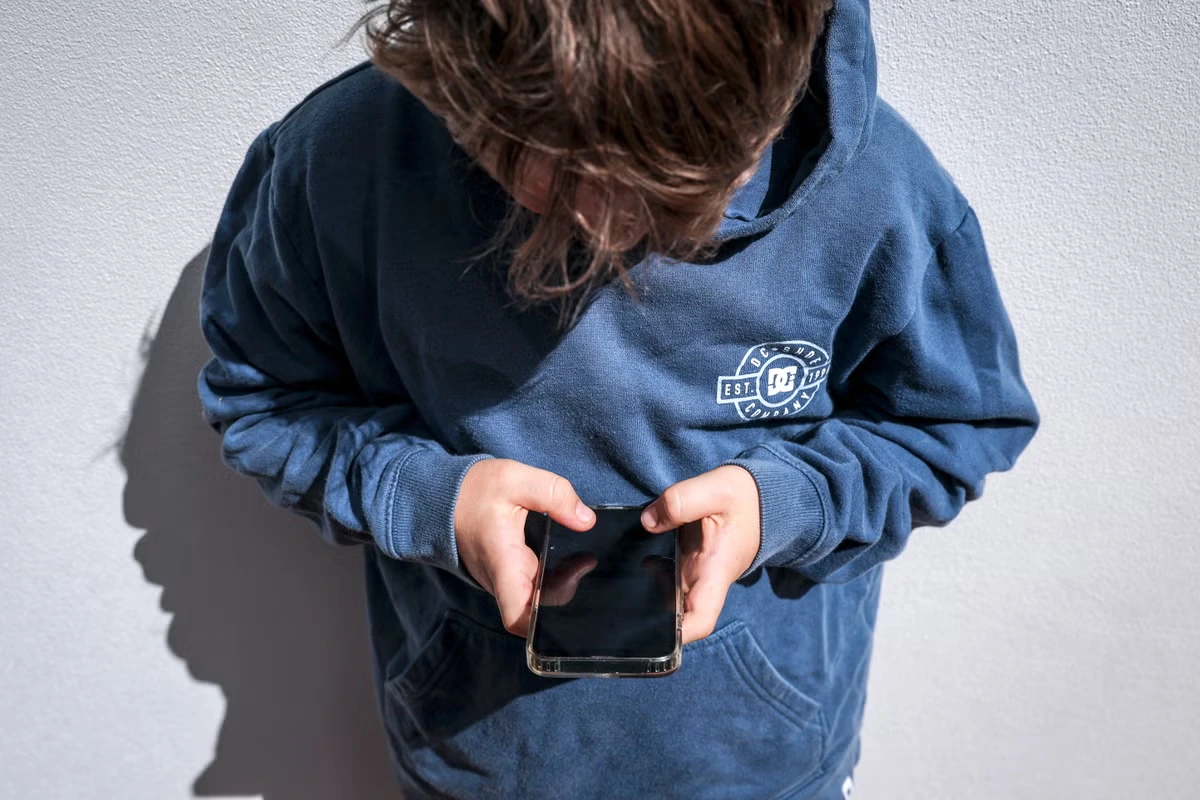
Young people have said banning under-16s from social media is “the right thing to do” but have shared worries about how effective the new laws will be.
Sir Keir Starmer announced sweeping changes to how children access online spaces as he vowed to crack down on what he called a “failing system” during a speech on Monday morning.
He said the government is taking action to ban children from most social media platforms, including Snapchat, TikTok, YouTube, Instagram, Facebook and X from as early as spring next year.
The prime minister admitted the ban would not be perfect, but said he is “not prepared to compromise on the safety and happiness of our children”.
A recent consultation by the government found that more than six in 10 young people support restrictions on harmful social media features. Meanwhile, nearly three in four (72 per cent) were worried about feeling left out if restrictions came in.
Hollie, 13, said she believes the ban is the “right thing to do” but worries about how it will be enforced.
“I think the social media ban is overall a good thing, but I think it's going to be quite hard to enforce that rule because a lot of people might not agree with it because they want to keep their social media,” she said.
Her views were echoed by mother Michela, who has a 17-year-old daughter. She said she believes the ban sends a “good message” to tech companies, but is unlikely to make much practical difference.
“I think it’s good for the message it gives: big tech companies need to be regulated and hold to account,” she told The Independent.
She added: “In practical terms, it won’t make much difference. Kids will lie about their age and use it anyway but at least they know they shouldn’t and hopefully think more about why is that so. Social media is addictive and should be treated as such.”
Nancy, 15, said she believes a ban is “actually very positive” for children her age. “I know a lot of people, especially teenagers, probably won't be happy with it, and it's going to be hard to put the rules in place,” she conceded.
“But I really think it's a good thing because social media can bring up all sorts of bad stuff like bullying and a lot of things can be fake and it can be really addictive. I feel like it can mess with people's brains as well and their development.”
But Olivia, 14, said while she supports some restrictions, she believes children should be taught to use social media “positively” rather than face a ban.
“Despite the fact sometimes, I find it addictive and distracting, I use it mostly for communication and sometimes revision when I have exams and stuff like that,” she told The Independent.
“Therefore, I think instead of banning social media, schools or parents should teach under-16s how to use it safely and positively.”
Lucy, 16, broadly agreed: “As a 16-year-old who has grown up with social media, I think it has positives and negatives. Although I find myself scrolling for longer than I should be, my friends and I use it as our main form of communication.
“Social media has definitely helped me expand my network of friends, as once I have someone on Snapchat, it's easy to communicate with them.
She added: “I think by 14 with parental guidance, teenagers should be ready for social media. Over the years I have had loads of talks at school and from my parents, which has educated me on the impact it can have and how I should never talk to people I don't know.”
Sir Keir said at the press conference on Monday: “Today is a big moment for our country. This is a big step, real change for our children and our future.”
The father-of-two added: “I come to it as a parent myself. I know exactly the fears that we all feel when we're thinking about this issue, you know.
“All I've ever wanted for my own children, hand on heart, is for them to be happy and for them to be safe, and I think that's what any parent wants.
“But I ask the question now, do we truly believe that social media creates a happy environment for our children?”