Ten years on from the EU referendum, it's time to take stock. My verdict? Not only is Britain paying the price for that single vote in 2016, but also for the political cowardice that has followed it.
Brexit was sold as control, prosperity and renewal. But what it has delivered is weaker growth, deeper division and a governing class that reaches for slogans instead of strategy.
Brexit did not cause every problem we face in the UK, but it has made almost all of them deeper and harder to solve.
This is a truth that few of our politicians have the honesty to explain to the public. In 2016, we were already burdened with low investment, weak productivity, regional inequality and public services stretched thin by poor choices made after the global financial crisis. Brexit amplified those weaknesses; it did not heal them. It added friction to trade, uncertainty to business and instability and growing mistrust in our political system.
What should trouble us today is not the original decision to leave. It is how every government since has managed the aftermath, choosing denial over reality, and pretending the hard choices could be deferred indefinitely. That is not leadership. It is the avoidance of it.
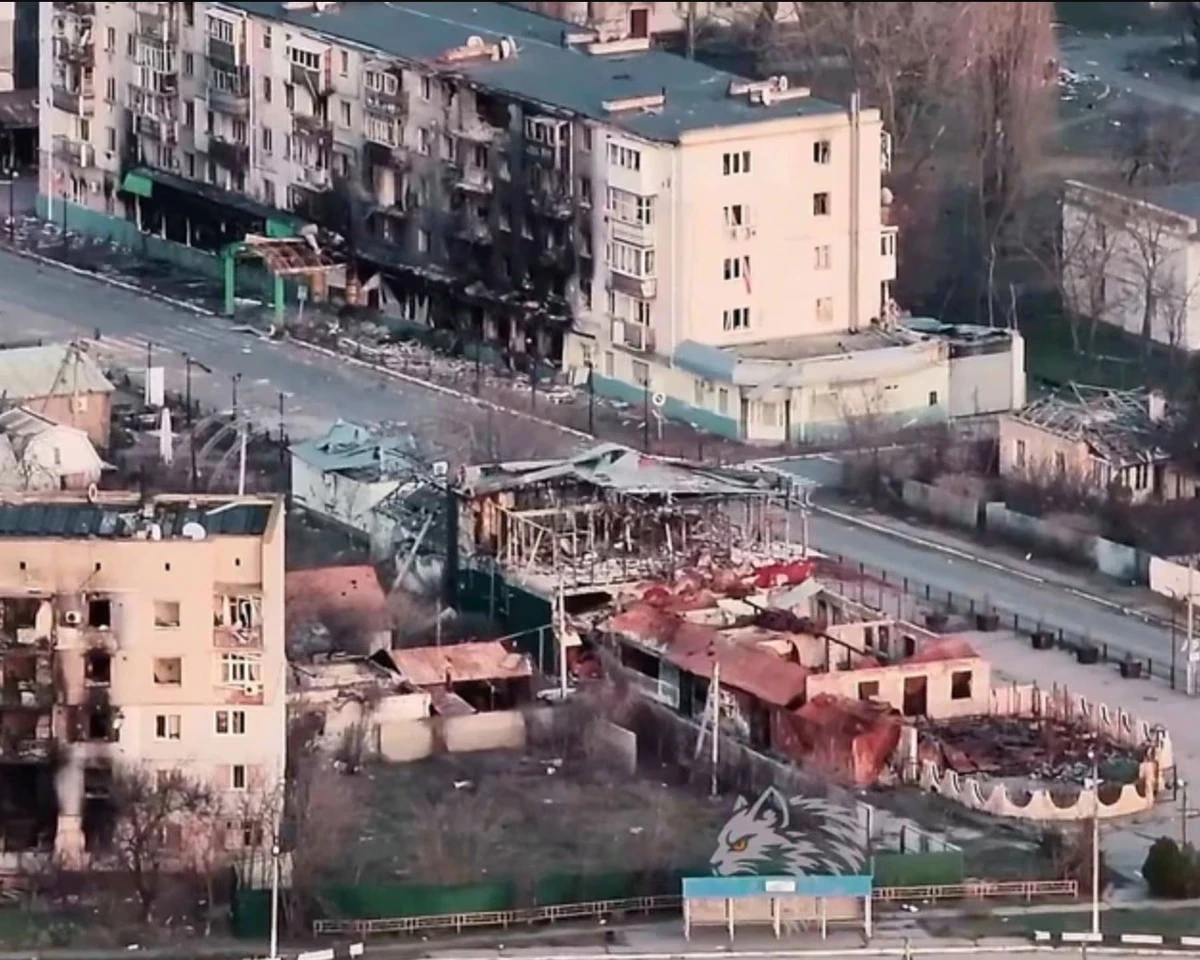
And while we have navel-gazed and argued with ourselves, the world has grown more dangerous. The US is no longer the dependable ally we once assumed, and Vladimir Putin remains a direct threat to European security, exploiting weakness, manipulating division and weaponising instability wherever he finds it. In such a world, Britain needs allies, credibility and strategic clarity, not post-imperial posturing.
This is why it is time that the debate about our place in Europe grows up. The old arguments are spent. And here I want to be clear, because it matters: rejoining the EU is not the answer – not because the case is unworthy, but because the timing would be unforgiving.
Brexit’s wounds will not heal on their own, and left untreated, they only deepen. But a rejoin strategy could take 10, even 15 years, which would mean a generation of renewed division, in a geopolitical landscape none of us can predict, while political poison unleashed by Brexit festers in our public life.
Britain cannot afford to spend the 2030s relitigating the 2010s. We need our country to be made fit for the challenges ahead, not held hostage to the arguments of the past.
To my mind, the pragmatic path for the UK would be a new arrangement with Europe, a Swiss-style settlement in which we have a much closer relationship with the bloc – participating in the single market, enjoying free movement and contributing to the EU budget – but are outside the EU. This could be negotiated openly, on a clear timetable, and designed to heal rather than reopen old wounds.
It would not be a silver bullet, and nor would it undo a decade of damage overnight. But it would put the national interest before party dogma. It would restore practical cooperation with our nearest neighbours, lift unnecessary barriers, support growth, and return some of the stability that businesses, workers and families have gone without for too long.
This is not about abandoning principle. It is about honesty – and the rule of law.
When I twice challenged the government in the Supreme Court – in 2016, for starting the Brexit process by use of the royal prerogative, rather than by the approval of Parliament, a case that I won; and for its decision in 2019 to prorogue Parliament for five weeks ahead of the Brexit deadline, which I also won – I did so to ensure that leaving the EU respected Parliament and its constitution, not a directionless executive.
That principle is non-negotiable. Any new alignment with Europe – including the Swiss-style agreement for which I am advocating – must be enacted properly, openly and through Parliament, not slipped through the back door.
For sovereignty was never a single vote on a single day. It is the capacity to choose what works, the honesty to admit when promises are empty, and the maturity to accept that Britain is a middle power, not a great one – and that we cannot be safe and prosperous by pretending to stand outside the reality of our geography, economics or significantly shifting geopolitics.
We need leaders who tell the truth rather than flatter us with fairytales, and policy grounded in evidence rather than ideology.
The truth is that the post-Brexit settlement is not delivering what was promised. A new, Swiss-style agreement modelled on the comprehensive package that Switzerland and the EU signed in March (the so-called "Bilaterals III") – with the full weight of constitutional legitimacy – is the clear, pragmatic option. Let us get on with it.
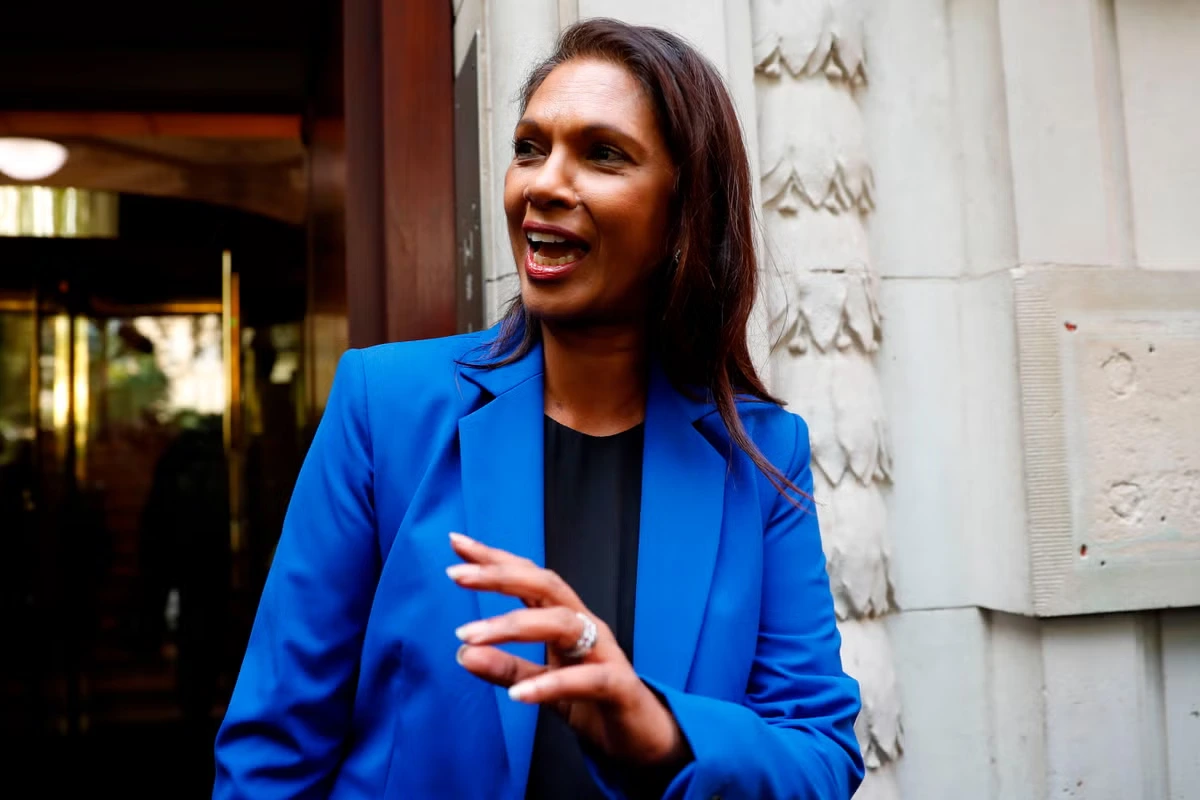
Gina Miller is a businesswoman and anti-Brexit campaigner
Sign up to our free Europe: The Way Back newsletter here, or by using the form below