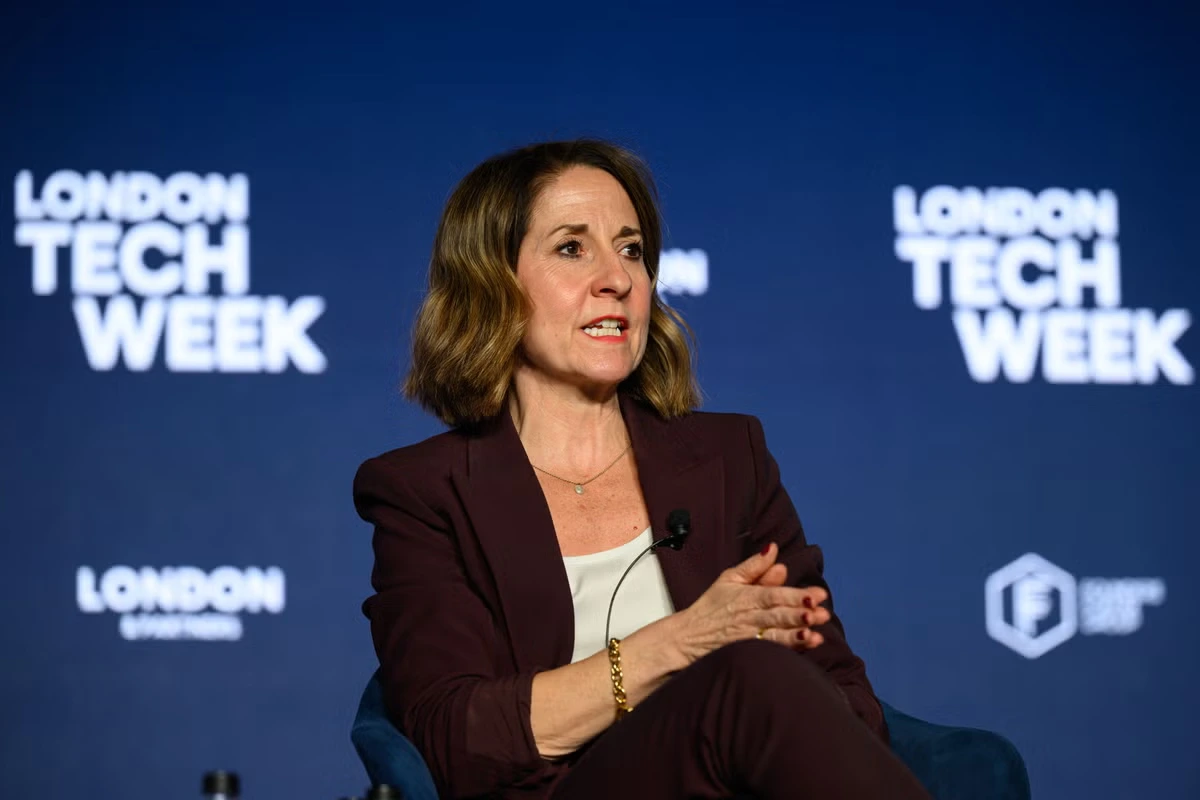
The social media ban for under-16s is not a “silver bullet”, the technology secretary acknowledged as she faced a backlash from Big Tech firms which will be hit by the restriction.
The minister responsible, Liz Kendall, accepted that many children will succeed in getting around the ban but insisted the restriction would lead to a “significant change in behaviour”.
Tech billionaire Elon Musk, the owner of social media platform X, said the ban was indefensible and amounted to censorship.
Other social media firms cast doubt on the effectiveness of the Australian-style measures the UK Government hopes to introduce by spring next year.
Technology secretary Ms Kendall told the BBC: “I’ve never thought that the ban will be a complete silver bullet.
“I think it is about providing clarity for parents and children, it will be as much about resetting expectations and social norms for children who are seven, eight, nine, 10, now that they won’t be going on social media until they’re 16.”
She insisted that the UK’s use of “highly effective age-verification measures” would make the ban stronger than the Australian system.
But she added: “I have no doubt children who are currently on social media, for whom it’s an integral part of their lives, will try and get around the ban, and many will succeed.
“But we do think we need to draw this line in the sand, give greater clarity to parents and greater protections for children.”
The ban is expected to cover platforms including Snapchat, TikTok, YouTube, Instagram, Facebook and X but not messaging services like WhatsApp and Signal.
There will also be measures to prevent children from chatting with adults on gaming and livestreaming platforms.
The government is also looking at potential overnight curfews and breaks in infinite scrolling for under-18s, with more details expected next month.
Mr Musk said: “This censorship law is a wolf in sheep’s clothing. The real goal is to enable the UK government to track everyone.”
Dismissing the idea that the move was necessary to protect children online, he said: “They always use defensible excuses for the indefensible.”
Meta, the parent company of Facebook, said it shared the government’s “goal of keeping teens safe online”, pointing to its development of teenage accounts which “automatically limit who can contact them and the content they see”.
But a spokesperson for the company added: “Like others, we don’t think bans will achieve this goal.
“As we’ve seen in Australia, bans risk isolating teens from online communities and information, and driving them to unregulated alternatives that lack built-in protections and parental controls.”
YouTube similarly warned that the ban could push children toward “less safe services”.
Bereaved parents and many child safety campaigners welcomed Sir Keir Starmer’s announcement as a necessity for young people who they say are exposed to harmful content online.
But the Molly Rose Foundation claimed it could be “unenforceable” and that the Prime Minister had chosen “not to follow the evidence but take the politically expedient option instead”.
The foundation, set up in memory of 14-year-old Molly Russell, who took her own life in 2017 after viewing harmful content online, suggested a ban might fail to address what it describes as “fundamental product safety issues” such as harmful and distressing content being pushed to people through personalised algorithms.