A Kenyan woodcutter who was wrongly sentenced to death over an attack on a British couple has told the BBC that actions by London's Metropolitan Police involved in the case destroyed his life.
A Kenyan woodcutter who was wrongly sentenced to death over an attack on a British couple has told the BBC that actions by London's Metropolitan Police involved in the case destroyed his life.
Somali gunmen broke into David and Judith Tebbutt's beach bungalow on the Kenyan coast in 2011. They shot David dead and abducted Judith, holding her captive in Somalia for six months.
Somali gunmen broke into David and Judith Tebbutt's beach bungalow on the Kenyan coast in 2011. They shot David dead and abducted Judith, holding her captive in Somalia for six months.
Met detectives flew to Kenya to assist the investigation. Their evidence helped convict Ali Kololo, who spent more than a decade in prison before his conviction was overturned.
Met detectives flew to Kenya to assist the investigation. Their evidence helped convict Ali Kololo, who spent more than a decade in prison before his conviction was overturned.
Kololo is suing the Met, claiming a senior officer, former Detective Superintendent Neil Hibberd, gave misleading evidence at his trial and acted unlawfully to secure his conviction.
Kololo is suing the Met, claiming a senior officer, former Detective Superintendent Neil Hibberd, gave misleading evidence at his trial and acted unlawfully to secure his conviction.
In his first media interview, he told the BBC about his 15-year ordeal and his fight for compensation, which the Met is challenging in court.
In his first media interview, he told the BBC about his 15-year ordeal and his fight for compensation, which the Met is challenging in court.
We meet on Lamu, a small island off Kenya's northern coast, once a thriving Swahili port. People and goods are still carted through its narrow stone streets by donkey rather than car.
We meet on Lamu, a small island off Kenya's northern coast, once a thriving Swahili port. People and goods are still carted through its narrow stone streets by donkey rather than car.
It was here, in 2013, that Kololo was sentenced to death.
It was here, in 2013, that Kololo was sentenced to death.
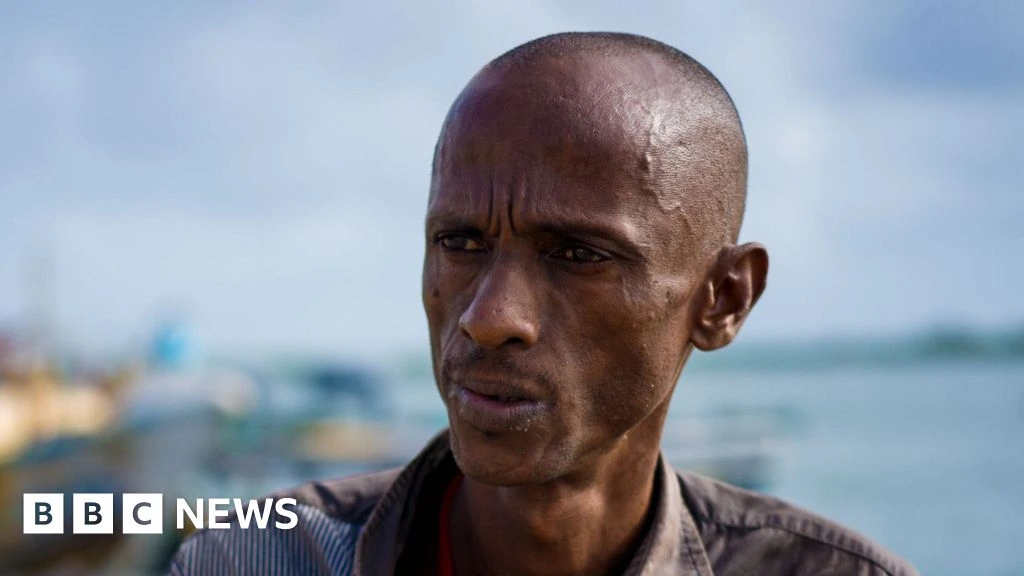
Standing at the jetty, where police once brought him ashore in handcuffs, he relishes being free. But he is struggling to rebuild his life.
Standing at the jetty, where police once brought him ashore in handcuffs, he relishes being free. But he is struggling to rebuild his life.
"Everything was taken from me. I'm starting from zero. I don't think I'll ever go back to who I was before," he says.
"Everything was taken from me. I'm starting from zero. I don't think I'll ever go back to who I was before," he says.
Before his arrest, Kololo lived with his wife and their three young children. He had once worked as a groundskeeper at the resort where the Tebbutts were staying, but by 2011 he earned his living felling trees in a local forest and selling the wood.
Before his arrest, Kololo lived with his wife and their three young children. He had once worked as a groundskeeper at the resort where the Tebbutts were staying, but by 2011 he earned his living felling trees in a local forest and selling the wood.
"My life was very good," he says. "I was fending for myself, taking good care of my family."
"My life was very good," he says. "I was fending for myself, taking good care of my family."
Within 24 hours of the attack, Kenyan police had arrested him.
Within 24 hours of the attack, Kenyan police had arrested him.
"I was beaten with clubs and thrown into a car," he says. "They beat me for days, burning me with cigarettes, forcing me to confess to things. They subjected me to torture like no other."
"I was beaten with clubs and thrown into a car," he says. "They beat me for days, burning me with cigarettes, forcing me to confess to things. They subjected me to torture like no other."
Kololo could not read or write. He says police made him put his thumbprint on a statement claiming he had led the attackers to the Tebbutts.
Kololo could not read or write. He says police made him put his thumbprint on a statement claiming he had led the attackers to the Tebbutts.
"I didn't understand anything," he says, calling the statement "a mountain of lies". "I signed it without knowing what it was because of the state they had put me in".
"I didn't understand anything," he says, calling the statement "a mountain of lies". "I signed it without knowing what it was because of the state they had put me in".
The Kenyan police told us it "at all times strives to work within the law". Kololo is not suing them.
The Kenyan police told us it "at all times strives to work within the law". Kololo is not suing them.
Within days of the attack, a team of Met officers, led by then Detective Superintendent Neil Hibberd, arrived to support the Kenyan investigation. The UK government had instructed the officers not to accept information from the Kenyan authorities that had been obtained by interrogating detainees.
Within days of the attack, a team of Met officers, led by then Detective Superintendent Neil Hibberd, arrived to support the Kenyan investigation. The UK government had instructed the officers not to accept information from the Kenyan authorities that had been obtained by interrogating detainees.
But Hibberd requested Kololo's statement and later relied on it when giving evidence for the prosecution at his trial.
But Hibberd requested Kololo's statement and later relied on it when giving evidence for the prosecution at his trial.
In court, Hibberd also presented evidence linking Kololo to the attack. He told the Kenyan court Kololo had been wearing a type of shoe that matched footwear marks found in the sand at the resort.
In court, Hibberd also presented evidence linking Kololo to the attack. He told the Kenyan court Kololo had been wearing a type of shoe that matched footwear marks found in the sand at the resort.
The officer who had arrested Kololo said he was barefoot when he was handed to police. Hibberd did not disclose that the Met's own forensic examination could not establish whether the shoe in question had made the marks.
The officer who had arrested Kololo said he was barefoot when he was handed to police. Hibberd did not disclose that the Met's own forensic examination could not establish whether the shoe in question had made the marks.
At the trial, Kololo did not initially have a lawyer. He had to cross-examine all the prosecution witnesses himself, including Hibberd, through an interpreter who spoke Swahili, which was not Kololo's first language.
At the trial, Kololo did not initially have a lawyer. He had to cross-examine all the prosecution witnesses himself, including Hibberd, through an interpreter who spoke Swahili, which was not Kololo's first language.
"I believe I was framed because I am a poor man and I did not have the strength or means to fight for myself," Kololo says.
"I believe I was framed because I am a poor man and I did not have the strength or means to fight for myself," Kololo says.
Kololo was convicted of kidnap and robbery with violence - the only person ever convicted in connection with the attack. He spent three years on death row before his sentence was commuted to life imprisonment.
Kololo was convicted of kidnap and robbery with violence - the only person ever convicted in connection with the attack. He spent three years on death row before his sentence was commuted to life imprisonment.
He recalls seeing his prison file. In the space for the expiry date, someone had written "death".
He recalls seeing his prison file. In the space for the expiry date, someone had written "death".
"I was completely heartbroken. I believed I could be executed at any moment, and I would never see my family, my children, ever again."
"I was completely heartbroken. I believed I could be executed at any moment, and I would never see my family, my children, ever again."
Years later, the UK's Independent Office for Police Conduct (IOPC) established that Hibberd had omitted significant forensic evidence at the trial. It found that he would have had a case to answer for gross misconduct, but he could not face disciplinary proceedings because he had retired from the force. At the time, his lawyer said Hibberd absolutely disagreed with the report's findings.
Years later, the UK's Independent Office for Police Conduct (IOPC) established that Hibberd had omitted significant forensic evidence at the trial. It found that he would have had a case to answer for gross misconduct, but he could not face disciplinary proceedings because he had retired from the force. At the time, his lawyer said Hibberd absolutely disagreed with the report's findings.
In April 2023, Kenya's High Court quashed Kololo's conviction, because of doubts over the prosecution's evidence. This followed years of work by the legal charity Reprieve and a Kenyan lawyer, Alfred Olaba, who represented him for free.
In April 2023, Kenya's High Court quashed Kololo's conviction, because of doubts over the prosecution's evidence. This followed years of work by the legal charity Reprieve and a Kenyan lawyer, Alfred Olaba, who represented him for free.
They were supported by Judith Tebbutt, who believed Kololo was innocent. In an interview with the BBC in 2022, she said he had been scapegoated by Scotland Yard.
They were supported by Judith Tebbutt, who believed Kololo was innocent. In an interview with the BBC in 2022, she said he had been scapegoated by Scotland Yard.
"He was not there on the night. He was not part of the group that held me. They've put this man in prison without any real evidence."
"He was not there on the night. He was not part of the group that held me. They've put this man in prison without any real evidence."
More than three years after his release, Kololo says he is still living with the effects of his torture and decade in prison. As we walk the narrow streets of Lamu's old town, his thin frame moves stiffly. He is on edge. "My mind is not good," he says. "I have not recovered."
More than three years after his release, Kololo says he is still living with the effects of his torture and decade in prison. As we walk the narrow streets of Lamu's old town, his thin frame moves stiffly. He is on edge. "My mind is not good," he says. "I have not recovered."
He remembers being kept in a filthy, bedbug-ridden cell with up to eight other inmates, which he thought he would never leave. Twice he contracted tuberculosis and nearly died.
He remembers being kept in a filthy, bedbug-ridden cell with up to eight other inmates, which he thought he would never leave. Twice he contracted tuberculosis and nearly died.
Kololo is now too frail to do the woodcutting he once relied on to make a living. He tries to grow enough to eat on the land around his home, but erratic rain makes it difficult.
Kololo is now too frail to do the woodcutting he once relied on to make a living. He tries to grow enough to eat on the land around his home, but erratic rain makes it difficult.
"I have nothing. On the days I get food, I eat, and on the days I don't, I endure."
"I have nothing. On the days I get food, I eat, and on the days I don't, I endure."
He lives alone in a mud hut. His wife divorced him after he went to prison, and their children went to live with his mother. They dropped out of school because the family could not pay the fees. Kololo says they were not allowed to visit him in prison. When he was released, they barely remembered him, especially his youngest.
He lives alone in a mud hut. His wife divorced him after he went to prison, and their children went to live with his mother. They dropped out of school because the family could not pay the fees. Kololo says they were not allowed to visit him in prison. When he was released, they barely remembered him, especially his youngest.
"They were too young. Only now are they starting to regain the memory that 'this is our father who disappeared'," he says. "If it weren't for my mother, my children might have died."
"They were too young. Only now are they starting to regain the memory that 'this is our father who disappeared'," he says. "If it weren't for my mother, my children might have died."
For much of our time together, Kololo is remarkably upbeat. He trusts that his lawyers and God will deliver him justice. But when we talk about the Met, his demeanour shifts.
For much of our time together, Kololo is remarkably upbeat. He trusts that his lawyers and God will deliver him justice. But when we talk about the Met, his demeanour shifts.
"I am extremely angry with the police," he says. "I'm also angry with the Kenyan Police. They collaborated to incriminate me. What [Hibberd] said destroyed my entire life and my children's lives."
"I am extremely angry with the police," he says. "I'm also angry with the Kenyan Police. They collaborated to incriminate me. What [Hibberd] said destroyed my entire life and my children's lives."
The Met has not apologised to Kololo or admitted wrongdoing. The force is contesting his compensation claim, which his lawyers say could take years to resolve.
The Met has not apologised to Kololo or admitted wrongdoing. The force is contesting his compensation claim, which his lawyers say could take years to resolve.
"These people falsely accused me. Do I not deserve something?" he asks.
"These people falsely accused me. Do I not deserve something?" he asks.
The Met told the BBC that neither they nor Hibberd wanted to comment on Kololo's claim, but it said: "Our thoughts are with Mr Kololo, Mrs Tebbutt, her family and all those who have been affected by this terrible crime. The Metropolitan Police remains committed to supporting the Kenyan authorities in any way that may be possible, in order to get justice for Mrs Tebbutt and her late husband."
The Met told the BBC that neither they nor Hibberd wanted to comment on Kololo's claim, but it said: "Our thoughts are with Mr Kololo, Mrs Tebbutt, her family and all those who have been affected by this terrible crime. The Metropolitan Police remains committed to supporting the Kenyan authorities in any way that may be possible, in order to get justice for Mrs Tebbutt and her late husband."
Preetha Gopalan, Reprieve's head of UK litigation, describes the Met's behaviour in Kololo's case as "egregious".
Preetha Gopalan, Reprieve's head of UK litigation, describes the Met's behaviour in Kololo's case as "egregious".
"They've spent 10 years trying to evade accountability in every way possible, now dragging him through the courts," she says. "It's possible for them to do the right thing, but they are unwilling, and so this ordeal continues to haunt Kololo and his family."
"They've spent 10 years trying to evade accountability in every way possible, now dragging him through the courts," she says. "It's possible for them to do the right thing, but they are unwilling, and so this ordeal continues to haunt Kololo and his family."
"Even if I get a billion shillings, I will never be the same," Kololo says. "But if I get the justice I deserve, I can help my children and take care of myself when I am an old man."
"Even if I get a billion shillings, I will never be the same," Kololo says. "But if I get the justice I deserve, I can help my children and take care of myself when I am an old man."
Go to BBCAfrica.com for more news from the African continent.
Go to BBCAfrica.com for more news from the African continent.
Go to BBCAfrica.comBBCAfrica.com for more news from the African continent.Follow us on Twitter @BBCAfrica, on Facebook at BBC Africa or on Instagram at bbcafrica
Follow us on Twitter @BBCAfrica, on Facebook at BBC Africa or on Instagram at bbcafrica
Follow us on Twitter @BBCAfrica@BBCAfrica, on Facebook at BBC AfricaBBC Africa or on Instagram at bbcafricabbcafrica