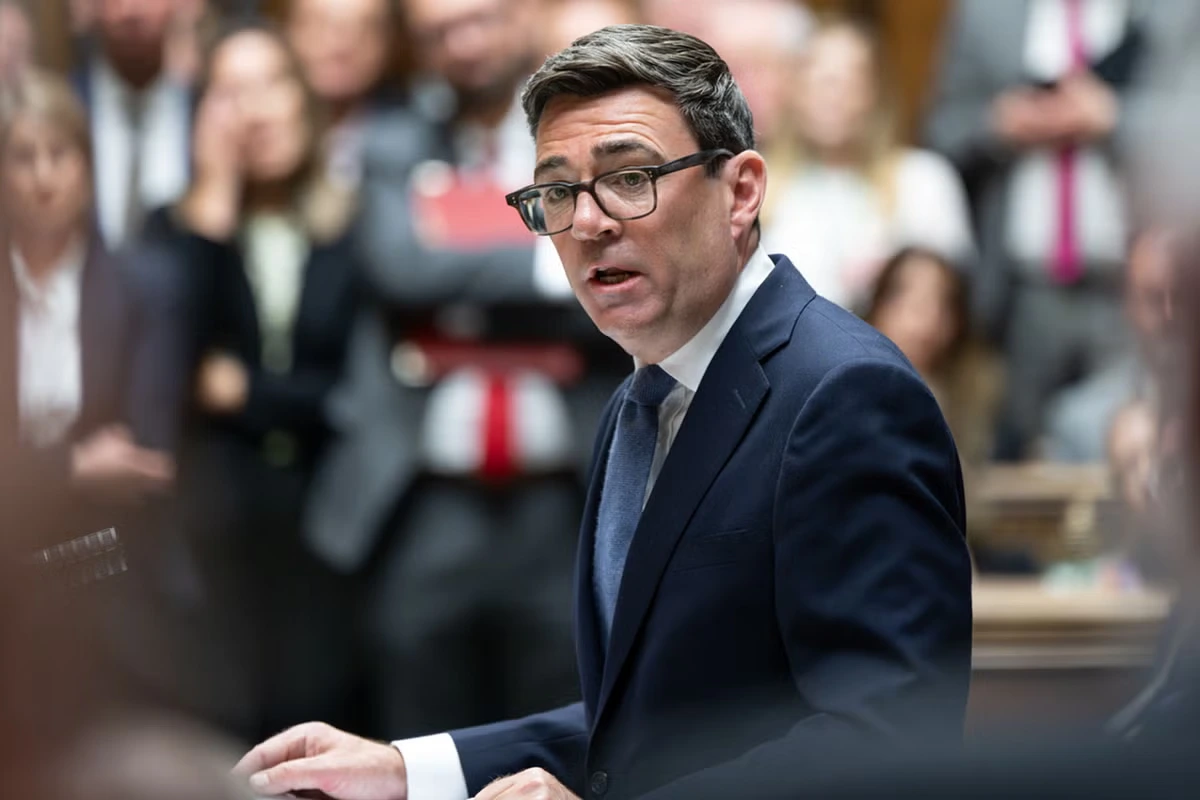
Andy Burnham's premiership begins amid widespread national pessimism as polling shows four-fifths of Britons believe the country is heading in the wrong direction.
Only half of Brits are satisfied with living standards, while NHS confidence has plummeted, the survey said.
Ipsos's state-of-the-nation report, published Wednesday, found 83 per cent of Britons believe the country is heading in the wrong direction and needs major changes – up from 55 per cent in 1989.
Researchers said the new prime minister must "navigate this highly fragmented, multi-polarised political landscape and rebuild some optimism for the future."
Despite this challenging public mood, Mr Burnham struck an optimistic tone in his inaugural Downing Street speech on Monday.
He declared his premiership would be "the moment when Britain starts to believe again, the moment we bring back hope."
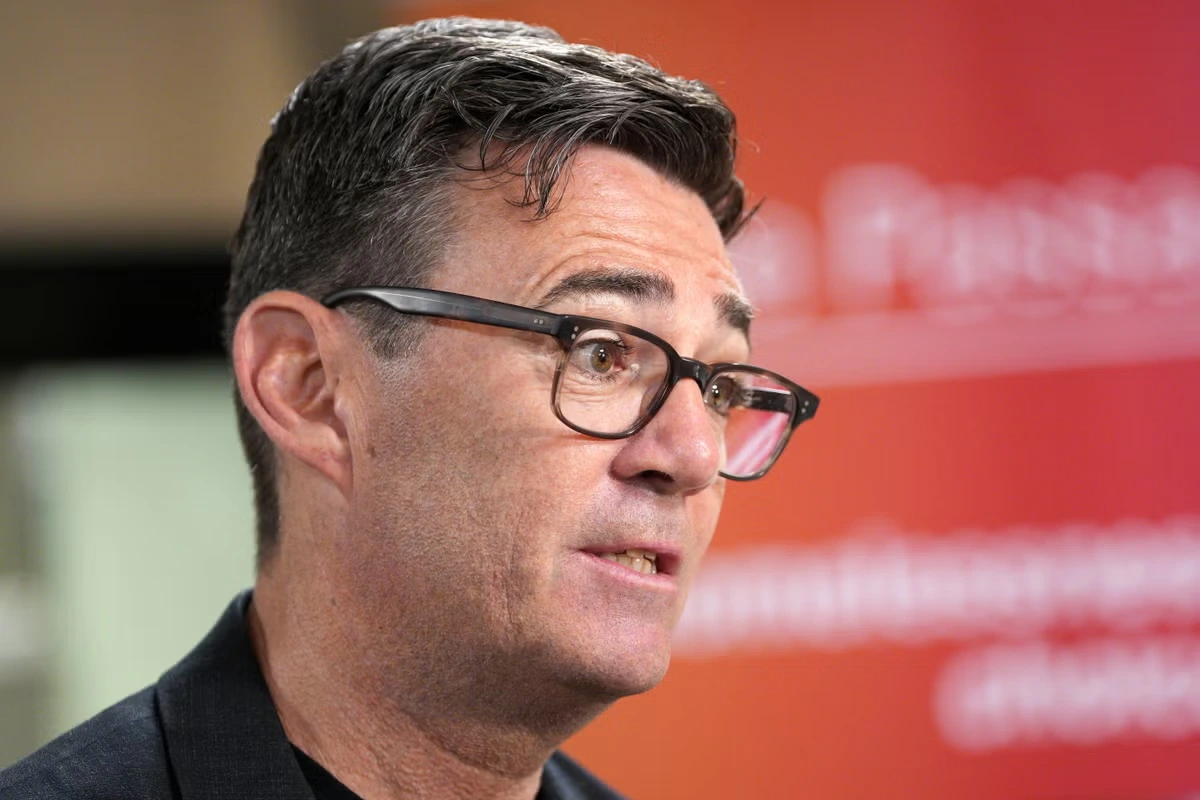
Mr Burnham has moved swiftly addressed the cost of living crisis, unveiling an £850 million tax cut on household electricity bills.
This marks his first major policy decision, with the energy bill reduction set to take effect from 1 October.
Addressing his inaugural cabinet meeting on Tuesday, Mr Burnham declared his administration would be "a cost of living government," signalling his immediate priorities.
However, Mr Burnham’s optimism contrasts with analysis suggesting increased pessimism and cynicism towards politics since 40 years ago.
Only a quarter (26%) of people nowadays believe that the best people rise to the top regardless of their start in life, otherwise known as social mobility, down from more than half (52%) in 1989.
While a higher proportion of people describe British character as tolerant in the latest survey (38% compared with 28% in 1988), there has also been a rise in those feeling it is pessimistic (31% now, up from 20% in 1988).
Only a fifth of those surveyed said they believe politicians are good people, down from more than a third (35%) in 1989.
Just over half (52%) of people said they are satisfied with their living standards, down from almost three quarters (72%) in 1988.
While a majority of Britons still said they supported a higher-tax system to fund better health services, the proportion has fallen from almost eight in 10 (78%) in 1989 to just over two-thirds (67%) in 2026.
Just a quarter of the public described Britain’s healthcare in 2026 as “good quality”, a sharp fall from 70% in 1986 in a statistic Ipsos said demonstrates “growing concerns over the state of public services”.
Gideon Skinner, senior director of UK Politics at Ipsos, said: “Andy Burnham and his team need to navigate this highly fragmented, multi-polarised political landscape and rebuild some optimism for the future.
“But this isn’t simply a question of more upbeat political messaging – they need to provide real, tangible improvements to people’s daily lives.
“Political leaders also need to engage in an authentic, transparent dialogue with voters about the difficult trade-offs that still lie ahead if they hope to turn deep-seated public doubt back into belief.”
Ipsos surveyed 2,576 people across Great Britain aged 16 and above between March 4 and March 11 2026.