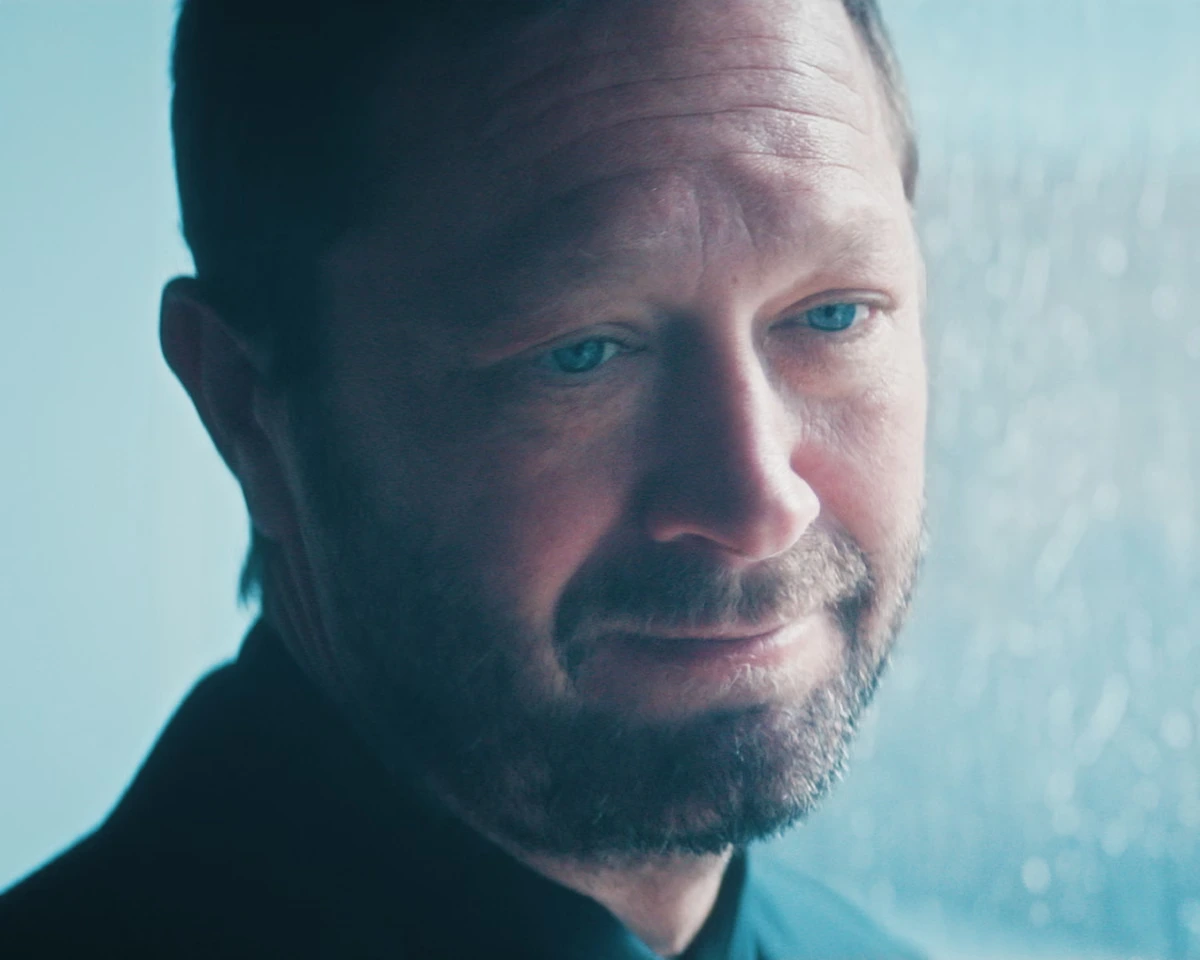
Ebon Moss-Bachrach is currently starring in an acclaimed Broadway production of Dog Day Afternoon, but after he takes his bow, there’s only one thing audience members want to talk about. “Every time I leave through the stage door, there’s a couple of hundred people yelling ‘Cousin!’” he laughs.
That’s his catchphrase as cranky maître d’ Richie Jerimovich in The Bear, of course. And now the culinary comedy-drama is back on the menu. One of the decade’s most influential TV shows is about to return for its fifth and final season. It seems the right time to reflect on how this scrappy creation became a surprise smash hit and cultural sensation.
Saucepan-rattling and speed-chopping on to our screens in 2022, The Bear followed acclaimed haute cuisine chef Carmen “Carmy” Berzatto (Jeremy Allen White) who left behind his career in Michelin-starred restaurants and returned to his home city of Chicago to run his recently deceased brother’s failing sandwich shop, The Original Beef of Chicagoland. Saddled with Mikey’s debts, a chaotic kitchen and sceptical staff, while grappling with his own trauma, Carmy miraculously managed to reverse the family business’s fortunes.
Mikey’s best friend, pugnacious front-of-house manager Richie, was initially resistant but was soon won around. Carmy hired sous chef Sydney (Ayo Edebiri), who was dependable, deadpan and full of thwarted talent. Together they transformed the sandwich joint into a fine-dining destination called The Bear (Carmy’s nickname, short for Berzatto), only for disaster to strike. Throughout it all, perfectionist Carmy vibrated with stress and battled his own demons.
Moss-Bachrach has said he expected The Bear to “slip through the cracks because it’s such a strange, soft-boiled, red-headed stepchild of a show”. When it outperformed Marvel and Star Wars blockbusters on Disney+, White said: “It was just so cool that we could stand alongside these massive TV shows about superpowers and lightsabers. And then there’s us – a show about people trying to make sandwiches together.”
They reckoned without the magical alchemy that saw The Bear catch fire like an unsupervised grill pan. Its script was a symphony of swearing, with naturalistic dialogue delivered by a cracking cast. The fight to keep the eatery afloat gave the plot bingeable momentum. It arrived fully realised, as flavoursome and expertly assembled as a gourmet sandwich.
The Bear felt like an indie movie – which is what creator Christopher Storer originally intended it to be. This newspaper hailed it as “the best workplace drama since Mad Men”, crowning it TV show of the year for two years running. It has scooped more than 100 major awards, including 21 Emmys.
One of those Emmy winners, Moss-Bachrach, was on holiday in Europe when the show launched. He realised The Bear was a hit when it melted the stereotypical French froideur. “I was in Paris and suddenly started getting recognised a lot,” he says. “People were coming up and talking about what they pronounced as ‘Le Beer’. The show is a love letter to Chicago but one of the unexpected beauties is its international appeal. On top of a mountain outside Kyoto, this Korean couple told me how much they love The Bear. It connects through languages, through ages.”
What do fans tend to talk about? “Richie, grief and hotdogs. Most conversations immediately get quite personal. The episode Forks, where Richie rediscovers his sense of purpose, had a powerful effect. I’ve met several people with fork tattoos. I’m less cynical now than I was before The Bear. That’s largely due to strangers sharing so much with me.”
A key ingredient of The Bear is sumptuous cinematography, worthy of Chef’s Table – all high-speed slicing, sizzling pans, basting meat and painstaking plating-up. Jimi Famurewa – the restaurant critic, MasterChef regular and author of award-winning food memoir Picky – wanted to “lick the screen”.
“Like The Pitt, it’s got an element of what’s called ‘competence porn’,” he says. “The Bear is a credible depiction of a particular world where people are brilliant at their jobs. Characters are committed to being great at their chosen vocation, which is hugely appealing. The other similarity to The Pitt, of course, is that it’s an adrenaline-pumping thrill ride. You’re watching people under unbearable stress and feeling that stress yourself. The Bear is masterly at that.”
The show’s impact has been felt in unexpected ways. Storer loosely based it on real-life Chicago eatery Mr Beef, where he’s a regular (and an old schoolmate of owner Christopher Zucchero). Business has been booming since The Bear took TV by storm. Zucchero now sells more than 800 sandwiches daily, triple the previous number. Indeed, sales of Italian beef have soared across the country.
The Bear even enhanced the flavour of our wardrobes. “Chefcore” became a cult fashion trend. Carmy’s signature look sparked style columns about the perfect white T-shirt and saw White become the face of Calvin Klein. “Carmy or Richie became an easy last-minute Halloween costume, too,” laughs Moss-Bachrach. “Throw on an apron, grab a cigarette and you’re good to go.”
An omelette Syd made for Carmy’s pregnant sister Natalie (Abby Elliott) – with Boursin cheese and crumbled ridge-cut crisps – went viral and was widely imitated. The rugged backdrop of Chicago’s River North neighbourhood became a foodie hotspot. “People who care about this stuff have made pilgrimages to the original Mr Beef,” says Famurewa. “They’ve developed strong opinions about Italian deli sandwiches, which are enjoying a period of real popularity.”
The show introduced a whole vocabulary of kitchen lingo. There were shouts of “Yes, chef!” and “Heard!”. Warnings of “Hands!” “Behind!” and “Corner!”. We were instructed to “fire” dishes fast and reminded that “every second counts”. Busy chefs were “in the weeds” due to too many “chits”. Staff sat down to “family meals”, Carmy talked about “non-negotiables”, Mikey (Jon Bernthal) advised him to “let it rip” and Richie called everybody “cousin”, blood relation or not.
It all helped The Bear become a bona fide phenomenon. “Food culture is so pervasive nowadays,” says Famurewa. “Post-Anthony Bourdain, there’s an obsessiveness about finding off-grid recommendations, making your own pasta, doing your own fermentation. The Bear caught that brilliantly. It became shorthand for a particular seriousness about food and a type of gastro-cool. It depicted tortured, tattooed chefs in expensive white T-shirts, keeping their vintage denim in the unused ovens of their homes, having breakdowns under the pressure of producing beautiful food.”
Culinary professionals have praised The Bear for its realistic depiction of the demands of restaurant life. Storer’s sister Courtney, affectionately known on-set as “Coco”, is a chef who serves as executive producer. She’s joined as a culinary consultant by chef turned content creator Matty Matheson, who also plays endearingly eccentric handyman Neil Fak. “I do think The Bear is fairly accurate,” says Moss-Bachrach. “I hear a lot of people say: ‘My wife can’t watch because she’s a chef and finds it too triggering!’ It was important to Chris and Coco to make it authentic, rather than some Hollywood imitation of a restaurant. They wanted to honour people in the service community and the restaurant world.”
White, Edebiri, Lionel Boyce (who plays pastry chef Marcus) and Liza Colón-Zayash (line cook Tina) trained for their roles with crash courses at culinary institutes. “I haven’t learned anything,” says Moss-Bachrach. “The extent of my culinary experience is being a caterer for two months until I got fired for dropping the salad on a woman. All I got on The Bear was strong fingers from polishing forks.”
Packed with star-making performances, The Bear propelled everyone’s careers to another level. White became “the internet’s boyfriend” and landed his first leading film role in Springsteen biopic Deliver Me from Nowhere. He’s about to star in The Social Reckoning, Aaron Sorkin’s sequel to The Social Network. Boyce recently went stellar in Project Hail Mary. Edebiri is also in hot Hollywood demand, while Moss-Bachrach has played The Thing in three Marvel movies. “The Bear has been a game-changer for me, without doubt,” he says.
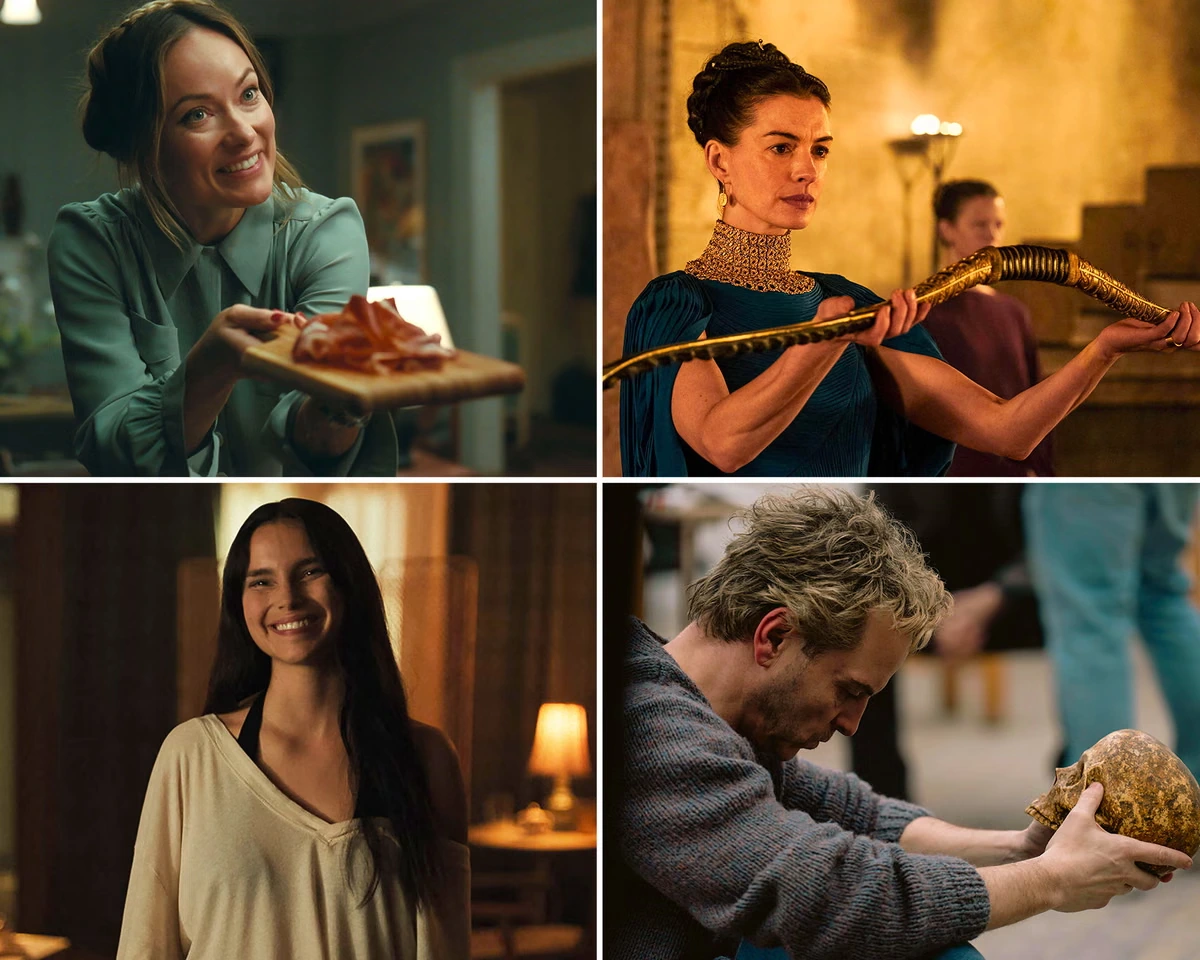
These regulars have been bolstered by guest stars of the calibre of Jamie Lee Curtis, Bob Odenkirk, Sarah Paulson, John Mulaney, Josh Hartnett, John Cena, Molly Ringwald and Brie Larson. British presence is added by Will Poulter and Olivia Colman.
As its four seasons progressed, The Bear ventured beyond the kitchen. Characters’ backstories were traced through bottle episodes and flashbacks. There was a near-wordless instalment and an intense one-shot episode where a rave review sent takeaway orders into overdrive and sparked a staff meltdown. “You didn’t draw breath for the whole 21 minutes,” says Famurewa. “That was the moment when I was like: ‘Oh my God, this show is incredible.’”
As episodes grew longer, some accused The Bear of losing its bite. Given its chewy themes of death and workplace dysfunction, it became hotly debated whether it was comedy or drama. It’s arguably best categorised as a genre-bender in the vein of Donald Glover’s Atlanta or Lena Dunham’s Girls – in which Moss-Bachrach also appeared as hipster musician Desi. “There’s creative freedom in both shows,” he says. “They play with form and subvert expectations. I also think both are very funny. The Bear makes me laugh a lot.”
The farewell season was teased by a standalone special, released without warning last month, written by Moss-Bachrach and Bernthal, and focusing solely on their characters. The prequel, named Gary, followed Richie and Mikey on an eventful road trip across state lines to Indiana. “We wanted to see the love between these two grown men and feel the joy of their bond,” says Moss-Bachrach. “I’m always interested in male friendship, partly to repair some of the weird masculinity that’s become so pervasive.”
As The Bear packs away its Japanese knives, hangs up its chef’s whites and prepares for its final sitting, it closes a five-year chapter for Moss-Bachrach. “I care about Richie a lot,” he says wistfully. “He’s a big, loud cocktail of a person. He’s ridiculous and frustrating, sure, but I also think he’s misunderstood and right a lot of the time. It’s truly been the time of my life getting to play this guy. I’ll miss walking in those Adidas high tops.”
The eight-part swansong picks up the morning after Richie, Syd and Nat made the shock discovery that Carmy has quit the food industry, leaving the restaurant to them. With debts spiralling, suppliers cutting off deliveries, the building being sold and a torrential storm flooding the kitchen, the new partners must unite to pull off one last service, hoping to earn a coveted Michelin star at last. In the process, they learn that restaurants aren’t about the food but the people. As Richie says: “We have no money but we have each other and nothing left to lose.”
The signs are that The Bear is back to its delicious best. Now it needs to stick the landing. “As much as I’ve loved making the show, it’s time for it to end,” says Moss-Bachrach. “It finishes on its own terms in a strong, in-character way. Everybody is taken care of story-wise. I’m dumbly proud of it. I hope viewers feel the same satisfaction I do.” Yes, chef. Heard.
The Bear season five is on Disney+ from 26 June.