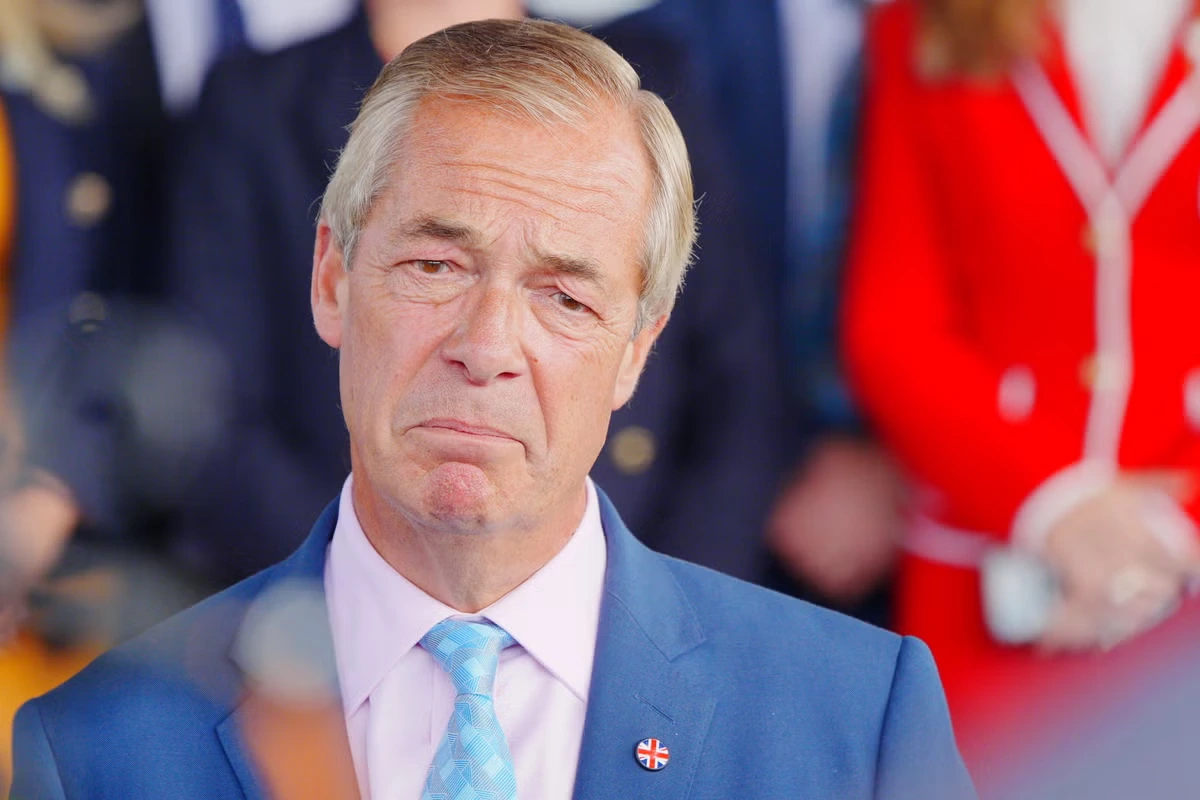
When Bob Geldof and Nigel Farage boarded boats to confront each other on the River Thames in 2016, they might have been on different sides of a national debate, but they had one thing in common: they hadn’t thought about what would come next.
Farage did not care about how to deliver the Brexit he’d spent his life campaigning for, and I imagine Geldof had thought even less about how he would contribute to the meaningful reform of the EU the Remain side was promising would happen. The event might have been mistaken for a low-budget re-enactment of a naval engagement, but a serious engagement with our country’s future this was not.
Much has happened since that summer. We have lived through a pandemic, and watched energy prices become weaponised by global conflict. The effect of these crises is that life has become more and more expensive. No household or business is spared the impact of the volatile cost of energy.
Now, I am not suggesting that the debate around how to ensure energy interconnectors work most efficiently affected the voting intention of a single person in 2016 – aside, perhaps, from the public affairs professionals involved in the sector itself. But it means a lot to everyone today.
I respect the decision the British people made on 23 June 2016. What I do not respect, however, are the decisions made afterwards. If the great question of post-Brexit Britain is how we can ensure, as an island nation, that we can deliver national resilience, then energy security is one of the most valuable prizes.
There is no defence security without economic security, and no economic security without energy security.
Energy security depends on making sure things run smoothly. Just as with traditional trade – getting food across the Channel – there are permanent objectives: fewer blockages, less friction, more efficiency.
We’ve all heard a lot during the past decade about how our electricity grid has a capacity, and a demand. Our grid is powered both by homegrown energy – solar and wind – and by oil and gas, though the latter are more expensive. But the interconnectors – of which we have 10, bedded deep in the North and Irish seas, connecting Britain to Europe and Ireland – allow us to rely on cheaper electricity from overseas when we need it.
On freezing, windless days, instead of firing up expensive domestic gas plants, we can import cheap French nuclear power. And, because it is a two-way street, on those incredibly windy summer days, when it feels like the sun never sets, we can export our own clean surplus energy, instead of paying wind farms to switch off.
At the moment, traders who buy and sell energy have to navigate middlemen and buy cable space blind, before they even know the final electricity prices. The whole system is clunky, slow, and prone to expensive miscalculations. We’re paying the price for inefficiencies – it is akin to an antiquated freight truck booking system.
That is why it is significant that in the past few weeks, my team has sat down for the first time with the EU’s negotiation team to discuss a new deal on electricity.
Linking these two separate markets will make trading more like a modern digital stock market, ensuring that power always flows automatically from where it is cheapest to where it is needed – meaning a downward pressure on wholesale costs. When nearly half (45 per cent) of your electricity bill comes from what we call wholesale costs, that’s not a small thing.
It will bear down on your bills – and that is the biggest prize of all. It’s common sense to negotiate this.
Pragmatism is the guiding principle I take into all negotiations with the EU. In the post-Brexit world, we have to make choices. The Labour choice is to build a relationship with the EU that is guided by our national interest – one that genuinely benefits Britain.
If a government wants to improve the lives of the British people, and deliver change, it must reject the approach of those who champion inflexible ideology over the national interest. It must also reject the performative politics that characterised the great flotilla of 2016 – and then left the country to be sold up the river anyway.
Politics is not a running commentary on what happened yesterday – it is about what we can do tomorrow. So, as we approach the 10-year anniversary of the referendum, let’s leave the theatre to our great cultural sector, and get on with that job of delivering.