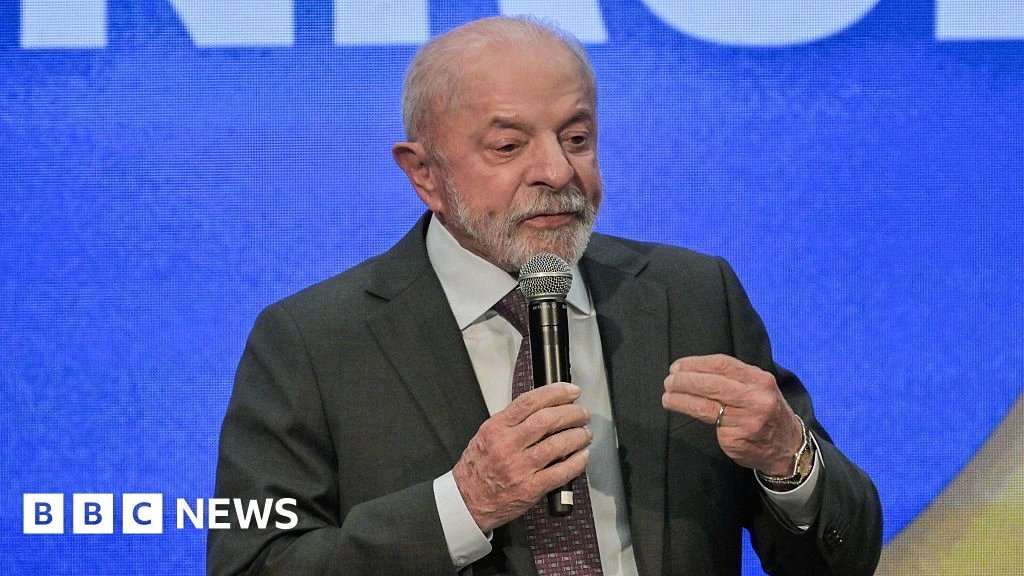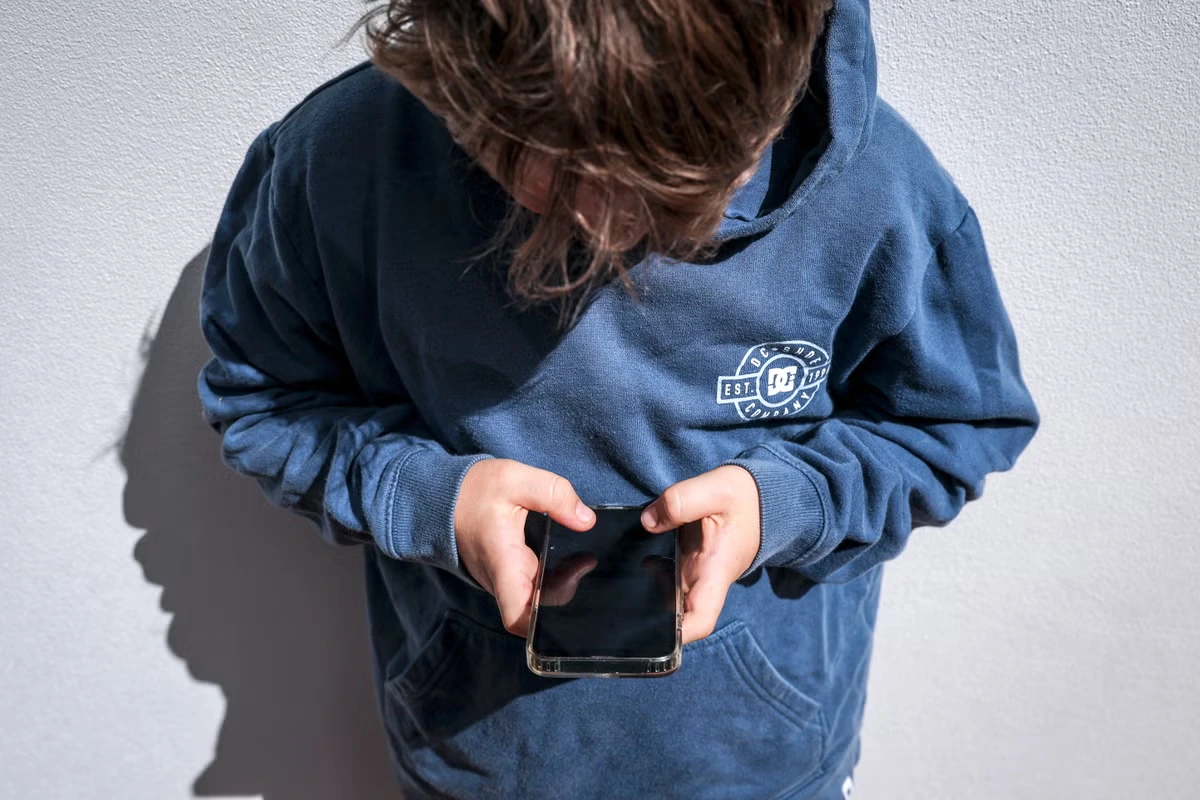
Sir Keir Starmer is expected to announce a ban on social media for under-16s after the results of a nationwide consultation are thought to have shown support for the measures.
The prime minister is preparing to unveil plans to restrict online activity for children to protect them from harmful content through a number of new measures.
How rigorous the government’s stance is remains to be revealed, with ministers so far not being drawn on when or whether Sir Keir will announce the ban. He reportedly intends to do so before the Makerfield by-election on 18 June, where potential leadership challenger Andy Burnham is standing as Labour’s parliamentary candidate.
London mayor Sir Sadiq Khan has already thrown his weight behind the proposal, saying tech firms must prove their services are safe for children or face a ban on being available to under-16s.
Children’s commissioner for England Dame Rachel de Souza proposed any ban should be extended to cover 16- and 17-year-olds, who she said should not have “lesser protection”.
Ministers have been mulling evidence from Australia, which imposed a world-first blanket ban in December. Sites including TikTok, X, Facebook, Instagram, and YouTube were within the scope of the ban. Others like WhatsApp and YouTube Kids – which have pre-existing content restrictions – were not included.
While no concrete details for an under-16s social media ban have been confirmed in the UK, the Australian model can be viewed as a potential template.
Australia started enforcing a world-first prohibition on social media for children under 16 in December, requiring 10 of the largest platforms, including TikTok, YouTube, Instagram, Facebook, and X (previously Twitter), to lock out young users or face fines of up to A$49.5m (£26.5m), making it one of the world’s toughest digital restrictions.
The ban is thought to affect more than a million accounts.
Platforms said they would use a combination of tools – like behaviour analysis to estimate user age – and age estimation technologies involving selfies to enforce the ban. They may also require identification documents or linked bank details to verify a user’s age.
Similar measures could be put in place in the UK. Others that have been floated are restricting certain features often described as “addictive”, such as infinite scrolling and auto-play videos.
Children could also be prevented from using virtual private networks (VPNs) to illicitly access pornography, and limited from speaking with chatbots under the proposals.
Speaking on Monday, the prime minister also said that social media platforms must take steps to ensure that children cannot take, share or view nude images online. The government announced in January it was introducing new laws to close legal loopholes that have allowed internet users to create deepfake nude images.
While Australian prime minister Anthony Albanese insisted his country has shown the world that online harms do not need to be accepted as an inevitable feature of modern childhood, many young social media users were dismayed at the prospect of being locked out of the platforms.
In the hours before the new law came into force, many posted mournful public farewells. “No more social media,” one teenager said on TikTok, “No more contact with the rest of the world”.
In the UK, around eight in 10 children aged three to 17 are estimated to have at least one active social media profile. In the 13 to 15 bracket, this sits at 95 per cent, according to Ofcom. The regulator has also found that 37 per cent of three- to five-year-olds use social media according to reports from parents, up from 29 per cent in 2023.