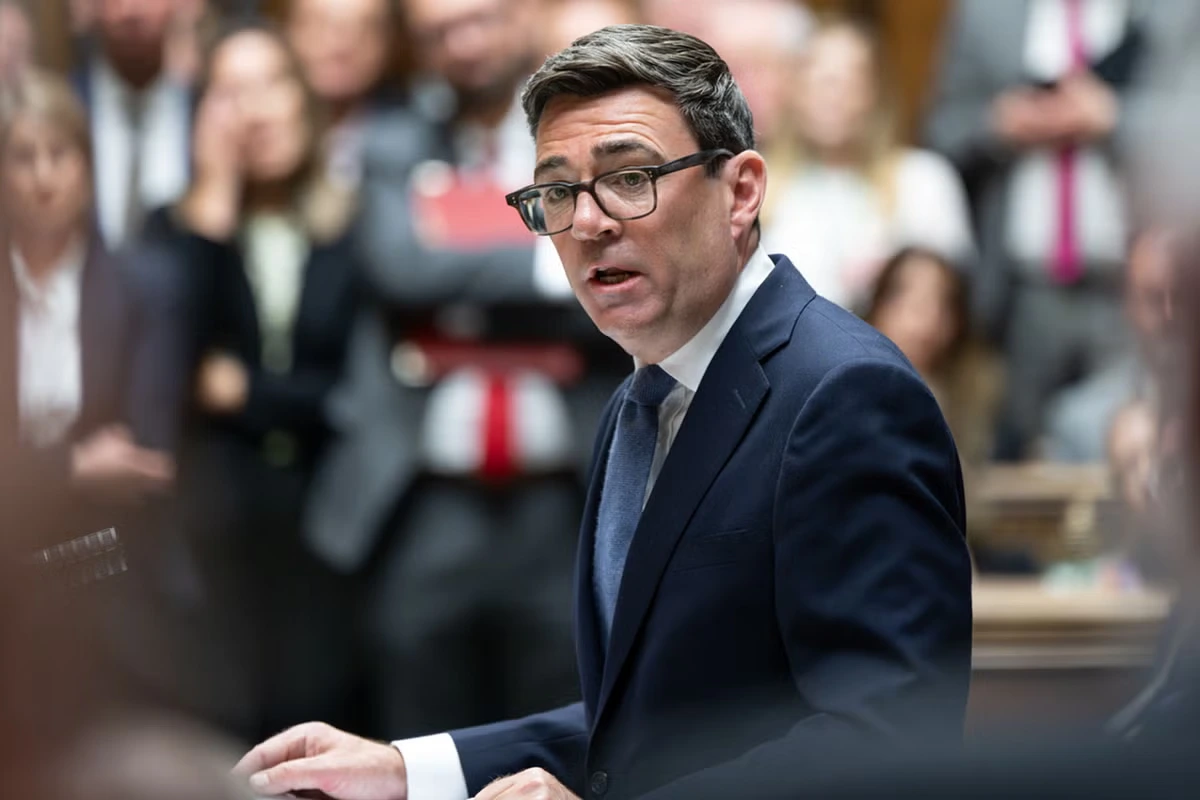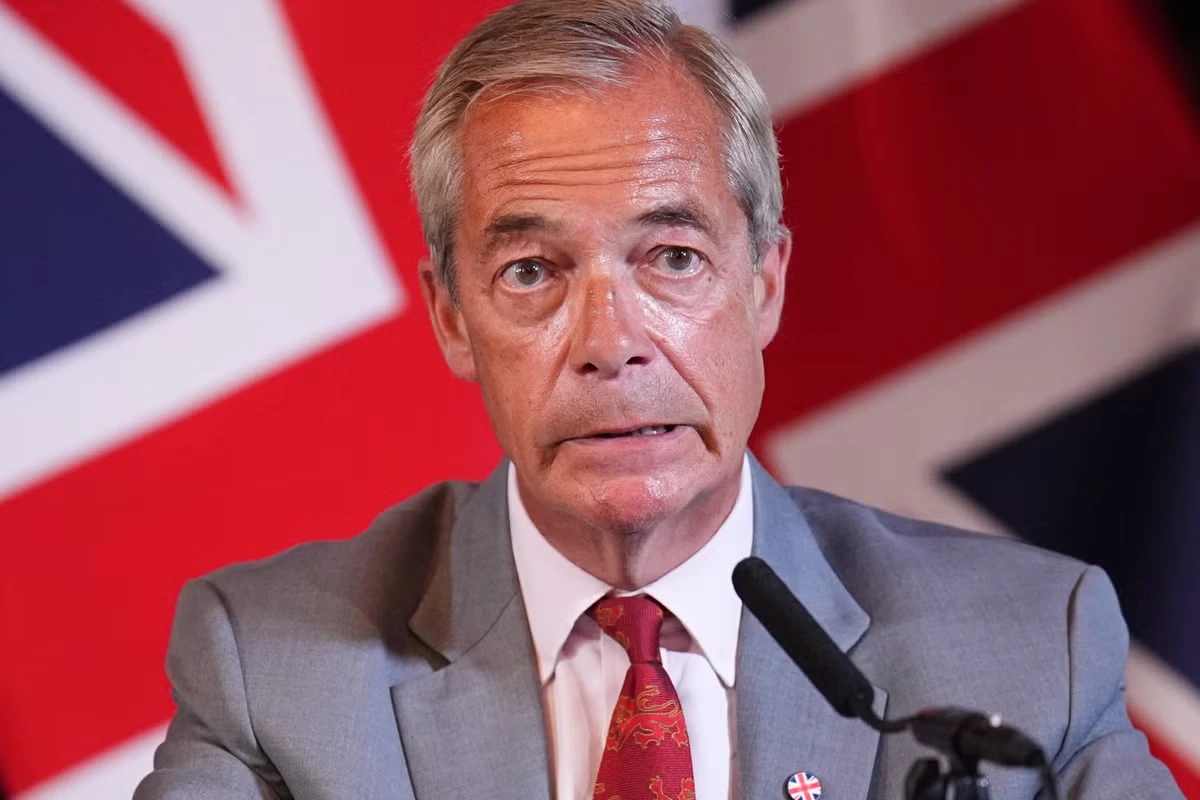
The new Defence Secretary, Dan Jarvis, faces an immediate challenge in convincing sceptics that the proposed £13.5bn increase in defence spending is adequate, as military leaders warn it falls significantly short of what is required for a crucial overhaul of the armed forces.
The government has pledged to allocate 3.5% of GDP to defence by 2035. However, John Healey, the former defence secretary, has criticised the current strategy, arguing it is "too slow" given the evolving threats to UK security. He noted that spending is projected to reach only 2.6% next year, climbing marginally to 2.68% by 2030.
It is understood that the Treasury's offer did not specify a timeline for reaching a 3% spending target, reportedly attempting to compel the Ministry of Defence to delay this milestone until the 2034/35 financial year. This situation unfolds amidst discussions of "difficult trade-offs" and competing political priorities, all constrained by the government’s existing spending regulations.
The Government spent about £1.2 trillion on behalf of taxpayers in 2024-25, the Institute for Fiscal Studies said.
This represents 39.9% of national income, which is spread across a range of policy areas and services in the regions and nations of the UK.
Some 80% of overall spending was identified as attributed to a particular region of the UK, while 18% was categorised as benefiting the UK as a whole.
This category includes defence and the costs of managing national debt.
Spending on the military, equipment and operations, including aspects such as the armed forces and the intelligence services, was £64bn in 2024-25.
This figure represents 5.5% of overall Government spending and 2.2% of GDP, the highest proportions in both indicators since 2011-12.
The £59bn spent in 2023-24 was the first annual total decrease in defence spending since 2016-17 while between 2016-17 and 2019-20, there were historic lows in defence spending as a percentage of GDP.
Categorised as “social protection”, but generally referenced as welfare, is the Government’s biggest outlay.
In 2024-15, 33% of Government spending was on benefits, pensions and social services, amounting to £386bn, or 13% of GDP.
Of the overall welfare spending, the largest proportion was allocated to pensions and old-age benefits (40%), followed by universal credit and other benefits (20%).
Spending on health is also a big focus, with £242bn spent in 2024-25 and, like welfare, levels has been on a generally consistent upward trend for decades.
The latest spending represented 21% of overall spending, 8% of GDP and £3,497 per person.
Education represented the third biggest annual outlay on a service area in 2024-25, with £123bn accounting for 10.5% of total spending.
This is an increase of about £30bn since 2010-11. However, 2024-25 education spending was 4% of GDP whereas it was 5.6% 15 years ago.
Education funding as a percentage of overall spending has fallen significantly since 2010-11 when it was 14%. It now accounts for 10.5%.
About 80% of the budget is currently spent on primary and secondary education.
Public safety is another highly politically charged policy area, with public concerns about safety, police numbers and access.
Total spending in this area has increased consistently since 2016-17, with funding rising from £30bn in 2016 to £52bn last year.
But in 2010-11, the then-government was spending about the same percentage of GDP as the current one in this area.
The 2024-25 level represents about 5% of total Government spending and 2% of GDP.
Police services account for half of the annual total spending, followed by law courts (18%) and Prisons (13%).
Transport spending currently accounts for 4% of the Government’s annual outlay, followed by central government services (2%) and housing, communities and local government (2%).
The Government allocates 1% of its annual spending to managing public sector debt interest.
The cost of this has spiked since 2020, from 4% of total spending to 11% last year.
The Government spent £125bn in debt costs in 2025, meaning spending in the area, when combined with health and benefits, accounts for nearly two-thirds of all annual Government spending.