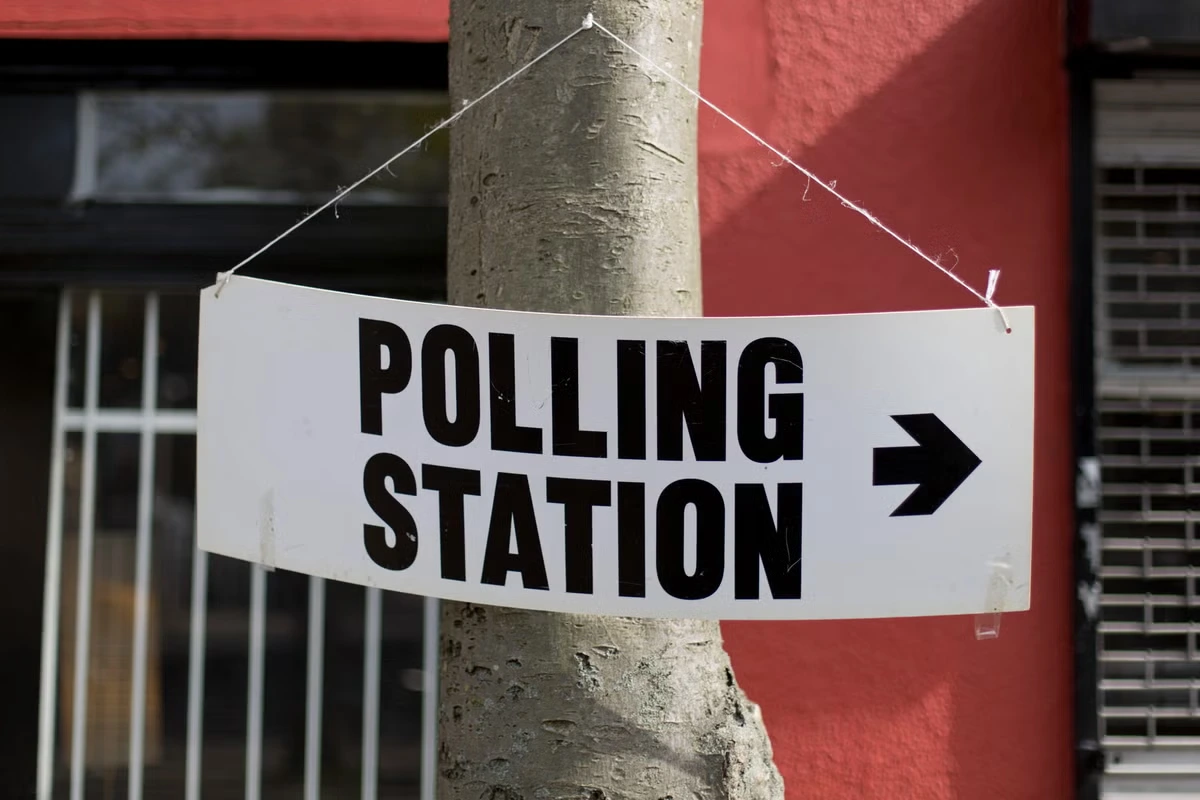
More than two million people will be eligible to vote in Thursday’s contest to choose a new Greater Manchester mayor, making it the biggest by-election in UK history.
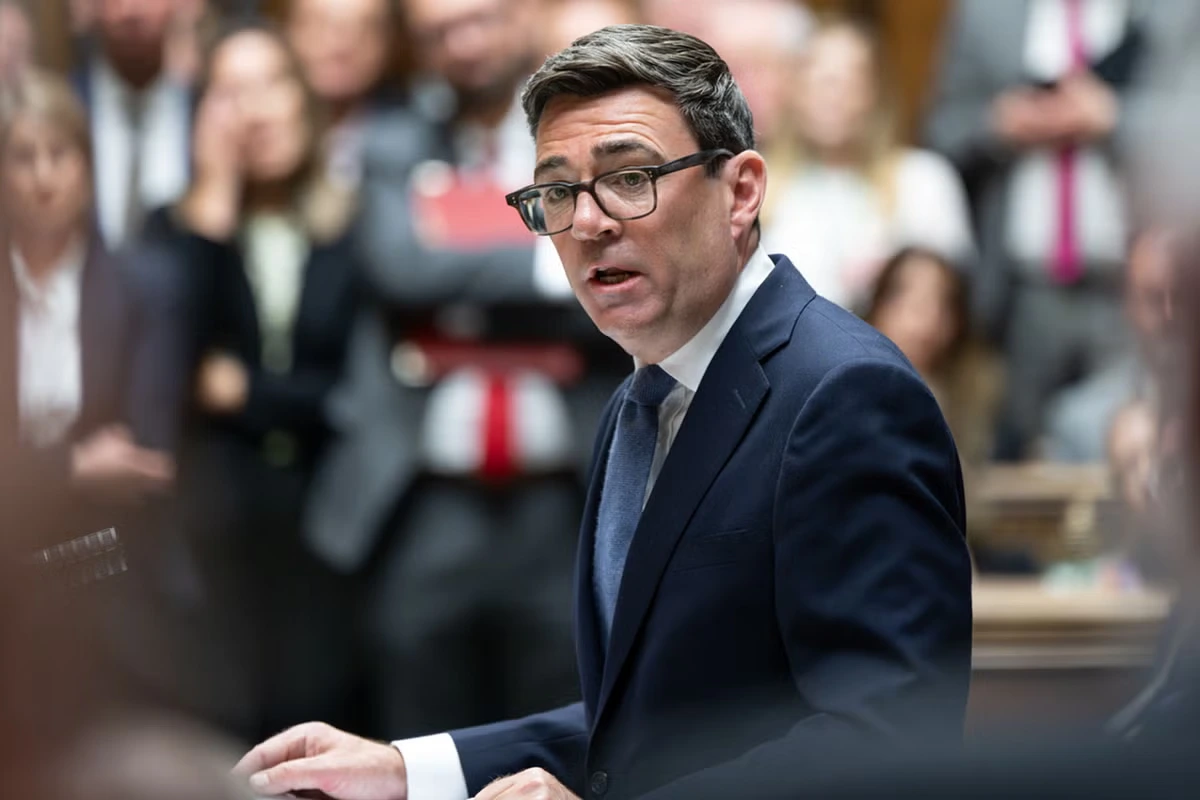
Seven candidates are standing to succeed the former mayor – and now prime minister – Andy Burnham, who had to give up the job in June when he was elected MP for Makerfield.
Mr Burnham became Greater Manchester’s first directly elected mayor in 2017 and went on to hold the post for Labour for nine years, winning again in 2021 and 2024.
The mayor is elected by voters across 10 local authorities: Bolton, Bury, Manchester, Oldham, Rochdale, Salford, Stockport, Tameside, Trafford and Wigan.
The total number of people across these 10 authorities who can cast a ballot on Thursday is at least two million, based on past polls.
This is comfortably the largest electorate for any by-election ever held in the UK.
Mr Burnham came first in all 10 areas in 2017, 2021 and 2024.
Nearly 2.1 million people were eligible to vote at the most recent mayoral election in May 2024.
Fewer than a third of voters actually cast a ballot, however, with turnout of just 32 per cent.
Mr Burnham won 420,749 of the 663,631 valid votes cast across the 10 authorities in 2024, or 63 per cent.
The Conservatives were far behind in second place on 68,946 (10 per cent), an independent candidate was third on 50,304 (8 per cent), Reform UK were fourth on 49,532 (7 per cent), the Greens fifth on 45,905 (7 per cent) and the Liberal Democrats sixth on 28,195 (4 per cent).
The seven candidates competing to succeed Mr Burnham in Thursday’s by-election are, in alphabetical order, Sian Astley (Reform), Geraldine Coggins (Green), Bev Craig (Labour), Phil Eckersley (Conservative), Marcus Farmer (Independent), Richard Kilpatrick (Liberal Democrats) and Marlon West (Restore Britain).
It is the first time a by-election has been necessary to fill a vacancy for one of England’s combined authority mayors.
The contest is likely to cost several million pounds.
Figures published by the Greater Manchester Combined Authority in its budget report for 2024/25 show spending on the May 2024 mayoral election was £4.6 million.
The 2024 election used the first-past-the-post system of voting – the same method as UK general elections, where the candidate with the most votes is declared the winner.
This week’s by-election is using a different system called supplementary vote (SV).
This was the method of voting at the 2017 and 2021 mayoral elections, but first-past-the-post was used in 2024 following a change in the law by the previous Conservative government.
The current Labour government passed legislation earlier this year to reinstate SV for mayoral elections.
Under SV, voters mark their ballot papers with a first and second choice.
If any candidate wins more than 50 per cent of the first-choice votes, they are declared the winner.
But if no candidate has more than 50 per cent of first-choice votes, all but the top two candidates are eliminated and the count moves to a second round.
The ballot papers of the eliminated candidates are counted again and if there are any second-choice votes for the two remaining candidates, these are added to their first-choice totals.
The candidate with the highest overall total of first- and second-choice votes is declared the winner.
Voters do not have to mark a second choice on their ballot papers, but they must mark a first choice or else their vote will not be counted.
Polls opened across Greater Manchester at 7am on Thursday and close at 10pm.
Votes will be counted the following day, Friday, with the result not likely until the afternoon.