Downing Street has failed to rule out any uplift to the long-awaited defence investment plan (Dip) following John Healey’s resignation over the issue earlier this month.
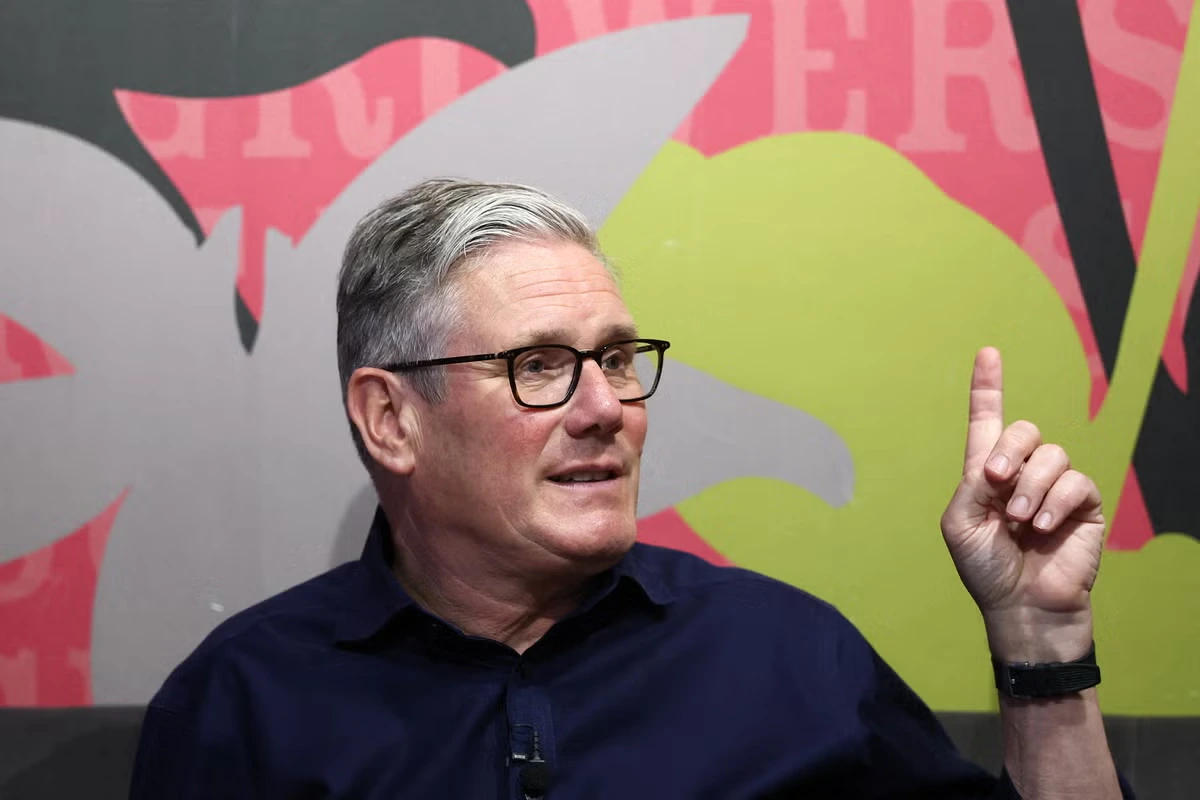
It comes after Sir Keir Starmer defended the decision to publish the document, a funding blueprint for the armed forces, in the final days of his premiership despite expectations that his successor would make changes.
The prime minister is to press ahead with publishing the long-delayed plan ahead of the Nato leaders summit on July 7, after a dispute over funding earlier this month triggered the resignation of two defence ministers.
The move has set up a row with his likely successor Andy Burnham, who might want to revise spending on the military.
Asked whether the government would still rule out any uplift to the £13.5bn extra investment that was proposed to Mr Healey, the prime minister’s official spokesperson said: “The defence secretary has said he's working very closely with colleagues in government, with the prime minister, with the chancellor, and there have been good and constructive meetings between the chancellor and defence secretary over the past few days.
“The defence secretary has been clear he's determined to secure the best possible deal sooner rather than later.”
Pressed on whether there would be any uplift, the spokesperson refused to rule it out, saying: "I'm just not going to comment ahead of the publication of the DIP.”
He added: “The Defence Investment Plan clearly remains an important part of our work to keep our country safe and ensure our armed forces can face the threats of the future.”
Previously, Downing Street sources had been ruling out any changes to the funding package offered in the Dip.
Speaking during a visit to Milton Keynes on Thursday, Sir Keir was resolute that moving ahead with publishing the plan is the right move.
He told broadcasters: “Everybody understands why it’s important that we spend the money that we must spend on our armed forces, and so it’s my intention to publish that ahead of the Nato summit.
“That’s the right time to publish it, when we will be coming together as Nato countries – the single most effective military alliance the world has ever seen – to share our capabilities, and to make sure we emerge from that summit stronger as a military force.”
It comes after the head of the armed forces on Wednesday said the military must be given “enough money” to be able to adapt and transform.
Chief of Defence Staff Air Chief Marshal Sir Richard Knighton said it was cheaper to build up military capability now to prevent conflict than to be forced into a costly war.
In a speech at a conference organised by the Royal United Services Institute think tank, Sir Richard said he needs an army that can meet Nato’s demands, blending “high-end capabilities” with low-end “consumable and attritable systems” such as drones.
The army’s “engine” needs to be “lubricated with enough money that drives the constant adaptation and transformation that we need in order to retain that operational edge”, he said.
John Healey quit as defence secretary earlier this month because the Dip was only due to provide £13.5bn extra investment in defence, far short of the £28bn over four years which officials had argued for.
He suggested the UK was on course to spend only 2.68 per cent of gross domestic product (GDP) on core defence by 2030, putting doubt on the country’s ability to meet its Nato target of 3.5 per cent by 2035.
His successor Dan Jarvis has said his priority is to get the Dip done “but not at any cost”.