The simple act of holding a camera in my homeland of Western Sahara can be a crime. When Sahrawi film-makers and journalists attempt to document everyday life under Moroccan occupation, they can often end up in prison cells. For the Moroccan regime, a camera in the hands of a Sahrawi threatens its official narrative that Western Sahara is part of Morocco.
In contrast, when celebrated international names in the film industry wish to capture an ideal picture for an epic journey, and decide that our land is exotic enough to shoot the desired scenes, they are welcomed, escorted and granted access by the same authorities that usually deny us that right.
This is the bitter and paradoxical reality in Western Sahara, an occupied territory with many material and immaterial riches. While foreign extractors of all kinds freely plunder Western Sahara’s phosphate minerals, sand, fish, and tomatoes, and commodify our winds, sunlight and picturesque desert landscapes, we the Indigenous Sahrawis are becoming a minority in our own homeland, systematically marginalised, silenced and denied access to the land we roamed as nomads for centuries.
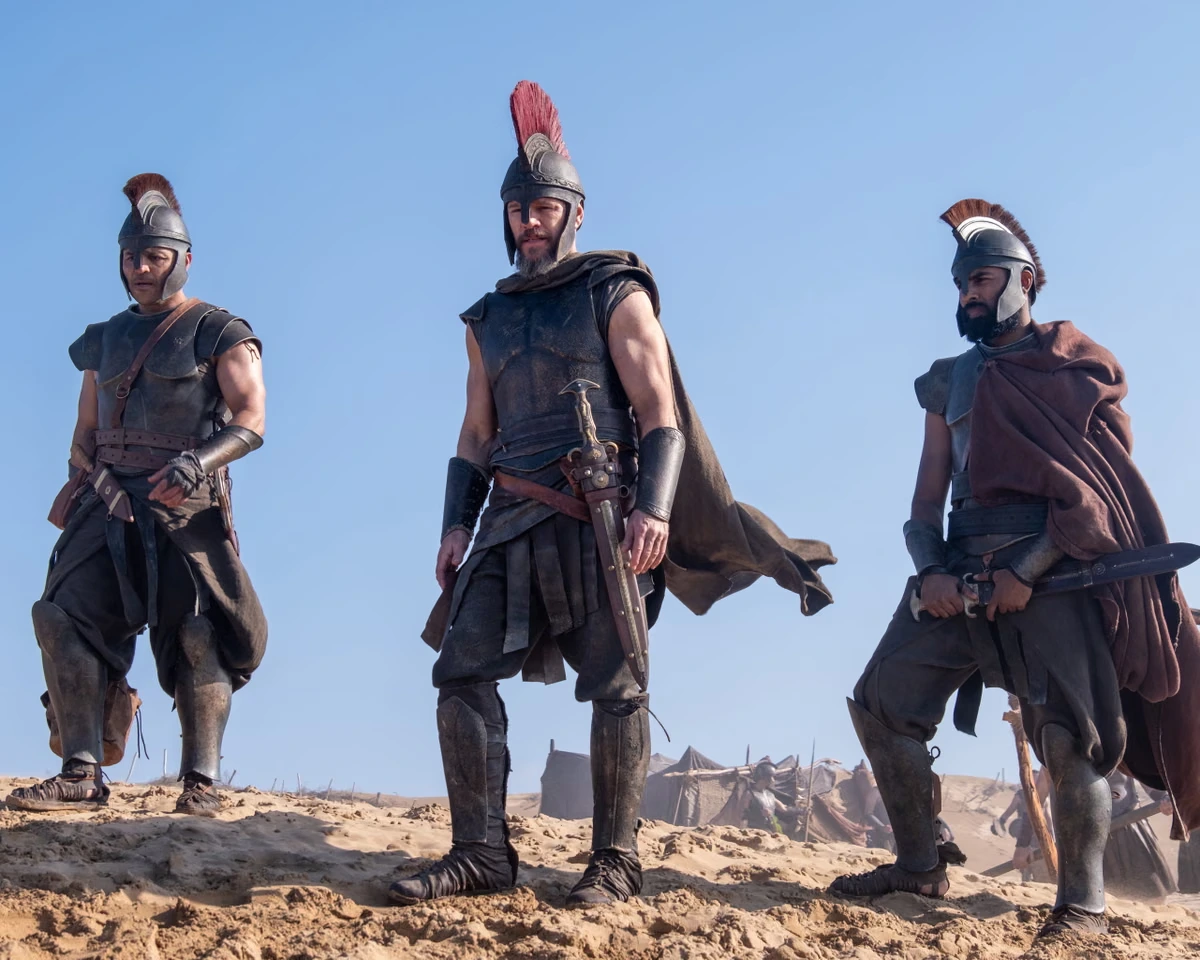
The latest episode of this colonial drama stars the Christopher Nolan blockbuster using parts of our occupied territory as a film set. Sahrawis are aghast that scenes from The Odyssey – an adaptation of Homer’s poem immersed in themes of displacement, family separation, betrayal, and the agonising, decades-long struggle to return home – were shot on our lands. The irony would be comical were it not so tragic: we, the Sahrawi people whose land was used to film parts of the Odyssey, have been living our own brutal odyssey for more than 50 years.
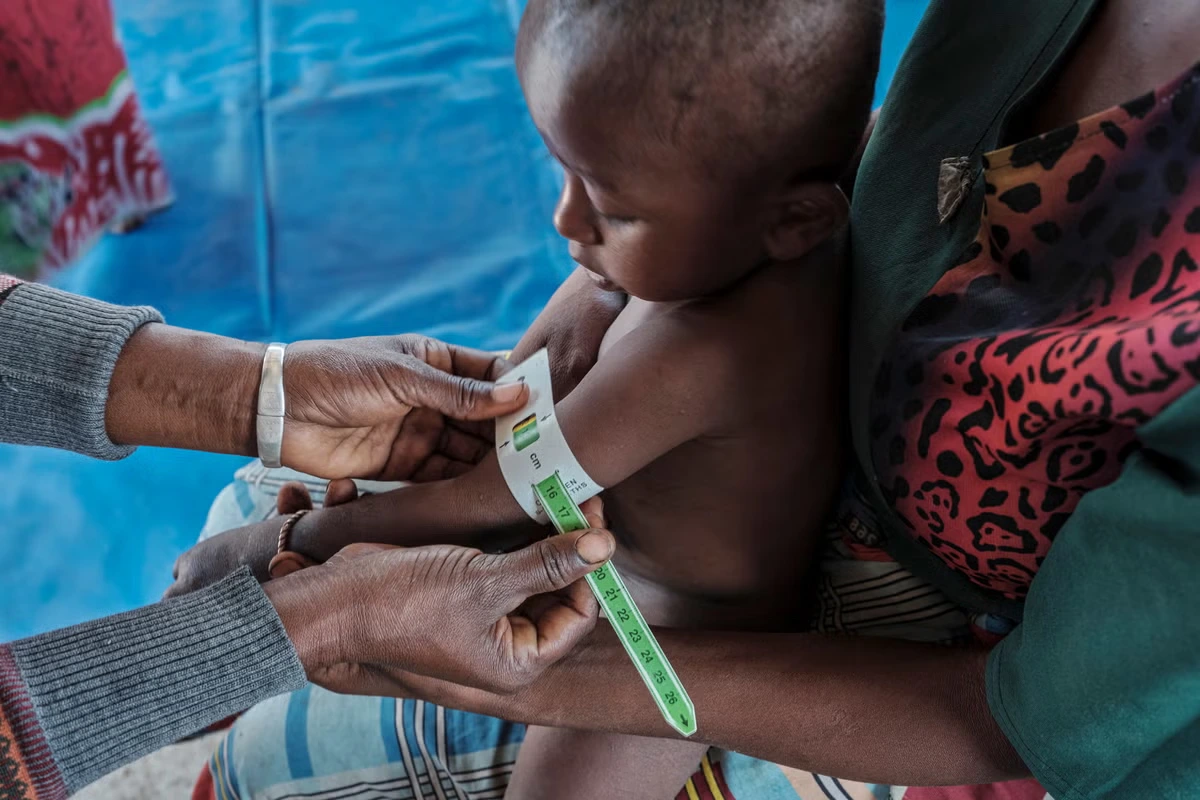
Our homeland suffered a brutal military invasion from the north and south in 1975, when Spanish colonial authorities handed over the territory to Morocco and Mauritania. Today, half of our people languish in refugee camps in the Algerian desert, while the other half lives under a suffocating military police state, separated by a 2,700km militarised wall built by Morocco and fortified with millions of landmines.
Such realities and stories will not make it to the big screen. In a world lured to fiction by the magic of the cinema, it seems easier to “excavate” a 3,000-year-old story of suffering, separation and betrayal than to see that today, those exact themes are daily lived realities by the Sahrawi people.
Nolan’s choice to film in an occupied territory highlights the extractivist practices embedded in the western film industry. Western cinema has often been complicit in mining stories and immaterial culture from the global south at a scale no smaller than the material resources mined by the western colonial industrial complex. International film crews parachute in, shoot our faces, clothing, dunes and material culture, then fly off. For them, it seems we are simply decorative elements for their sets and back in New York, London or Paris, they gain prestige, box-office returns and awards.
For Nolan’s Dakhla shoot, he appears to have neither sought our consent nor considered the ethics of in effect helping to prop up and legitimise Morocco’s occupation, thus making the space even more unsafe for Sahrawis living under it. He is actively participating in a state-sponsored PR campaign designed to legitimise an illegal occupation.
In a non-self-governing territory – which Western Sahara is, according to the UN – using the material or immaterial resources of the land without the explicit consent of its Indigenous people is not just unethical; under international law, it is illegal. Our land, our culture, and our heritage belong to us.
Morocco weaponises cinema to whitewash its occupation of our land. By courting foreign film crews to shoot in Western Sahara while denying the Sahrawi the right to film and express themselves, Morocco uses cinema to manufacture a romantic, tourist-friendly image designed by a regime deploying every political, economic and cultural tool to keep the occupation’s status quo and deny Sahrawi existence and resistance. Such mechanisms of erasure are parallel to other processes of displacement and replacement. When Morocco’s atrocities forced many Sahrawi families to flee Western Sahara during the war, the regime flooded the territory with hundreds of thousands of Moroccan settlers, drowning the streets with flags, images and imported cultural symbols. It is a deliberate campaign to dilute our language, overwrite our stories, and systematically replace us and our culture. Film-makers, in this context, are not neutral agents, their tools and positions can enable politics of erasure.
Audiences coming to see The Odyssey deserve better. They have a right to know about the ethics behind the making of this film. Those cinematic shots sold to them as the places and moments where historical epics took place were captured at the expense of the Sahrawi people’s suffering.
We the Sahrawi do not want our homeland to be the sanitised backdrop for western epics. We want to tell our own stories, shoot our own films and decide for ourselves. Our cultural self-representation is central to our right to self-determination. Until international film-makers refuse to comply with the oppressive occupying power in our homeland, and until we have the right to hold our cameras without fear of imprisonment, every frame shot in our land by an outsider can have the effect of being a betrayal to the art of storytelling.
Mohamed Sleiman Labat is a Sahrawi multidisciplinary artist based in the Sahrawi refugee camps, south-west Algeria. His art draws on the past and present life of the Sahrawi people through different practices including films, writing and community-based art. He is the director of Motif Art Studio in Samara refugee camp, a small space for art production and experimentation.