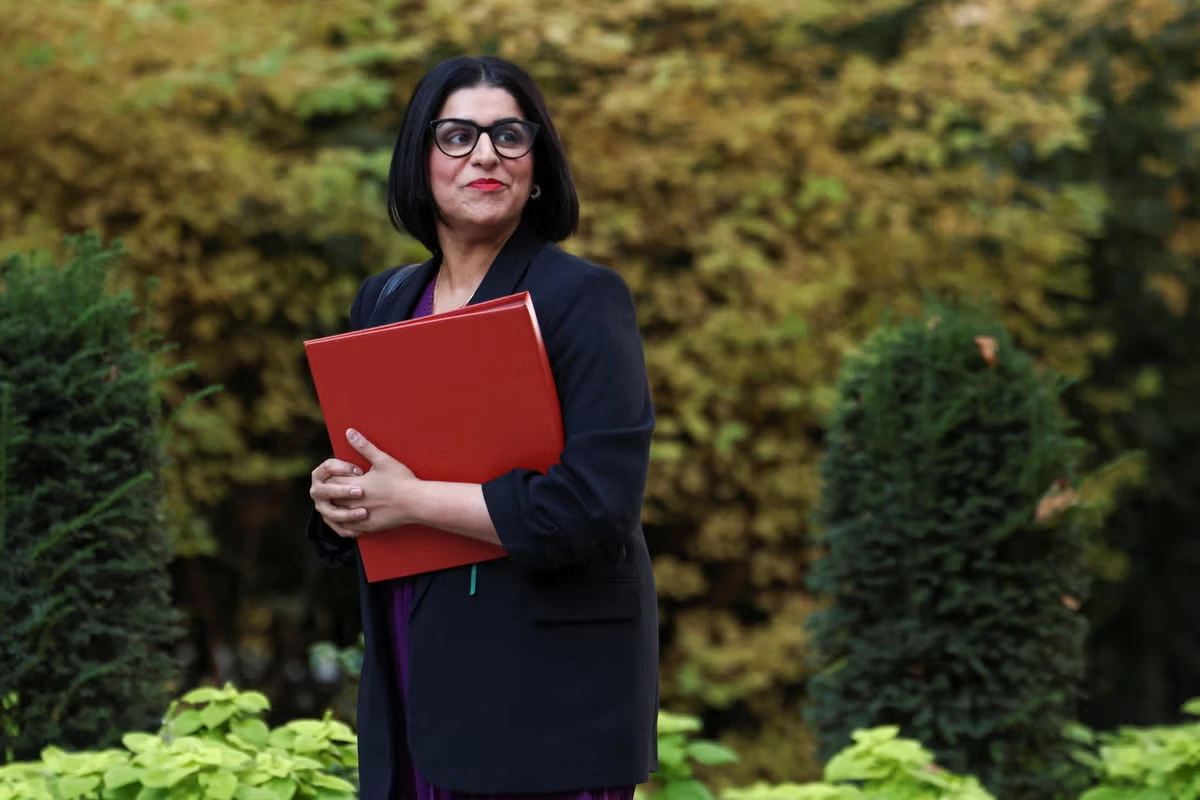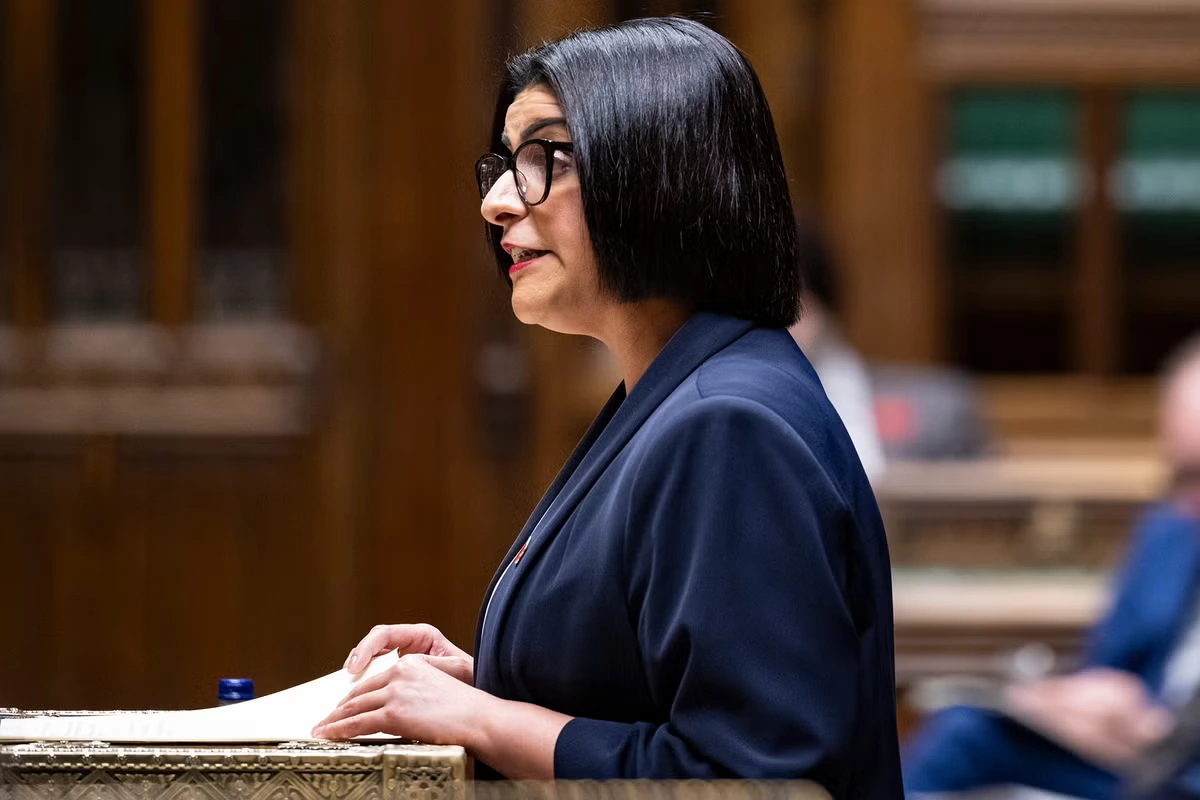
After public consultation and pressure from colleagues, Shabana Mahmood has softened her initial proposals to make legal immigrants and their families wait longer, earn more and satisfy other requirements in order to continue living in Britain. She is now offering more latitude for social care workers, who will retain the previous five-year path to settlement – a change that affects about 300,000 people.
It was the first real policy challenge to face Andy Burnham’s government and, even in modified form, the home secretary’s proposals remain controversial – in particular, the arguably “retrospective” aspects.
There’s a bit of a rush to deal with the roughly four million foreign workers and dependants who arrived post-Brexit and are now, perfectly legally, in a position to begin to apply for indefinite leave to remain (a path to permanent settlement, gaining British citizenship and full access to welfare and the NHS). It begs multiple questions about fairness, how the social care sector can cope without migrant workers, and how to measure the amorphous concept of integration into British society. Mahmood’s plans call for a settlement wait of as long as 30 years for illegal migrants who are not engaged in work or study.
Early signs suggest she probably will, but not without some dissent from within her own party. These changes to long-standing immigration rules weren’t mentioned at all in the 2024 Labour manifesto so neither she nor Burnham will be able to fall back on the argument that there is a mandate for the plan.
In March, when Mahmood launched her consultation, the Folkestone and Hythe’s Labour MP Tony Vaughan sent her a letter signed by 100 colleagues expressing opposition to the changes. Mike Tapp, MP for Dover, is another sceptic and lost his ministerial job at the Home Office for his public statements contradicting Mahmood. So there is already a potential core group of rebels; the assumption must be that government whips will have a better understanding of what Labour MPs will be prepared to accept than under Sir Keir Starmer.
When Starmer was forced to withdraw most of his (comparatively modest) cuts to welfare spending in summer 2025, his authority was fundamentally weakened. Even with a landslide majority in the Commons, the parliamentary Labour Party still vetoed his policy, leaving the prime minister looking powerless.
No doubt Burnham, who was among the opponents of those changes at the time, will have learned the lesson and anticipated internal opposition, preparing the ground much better. If not, he too will look rather foolish. In a worst-case scenario, Mahmood might feel that defeat on a key policy leaves her position untenable; the loss of a home secretary would certainly be a serious blow to the government. Whether the potential Labour rebels would judge it right to humiliate another prime minister so soon after he’s taken office we shall soon discover. The Tories will try to vote Mahmood’s policy down unless she returns to her original stance – a worthless offer given the balance of opinion within Labour.
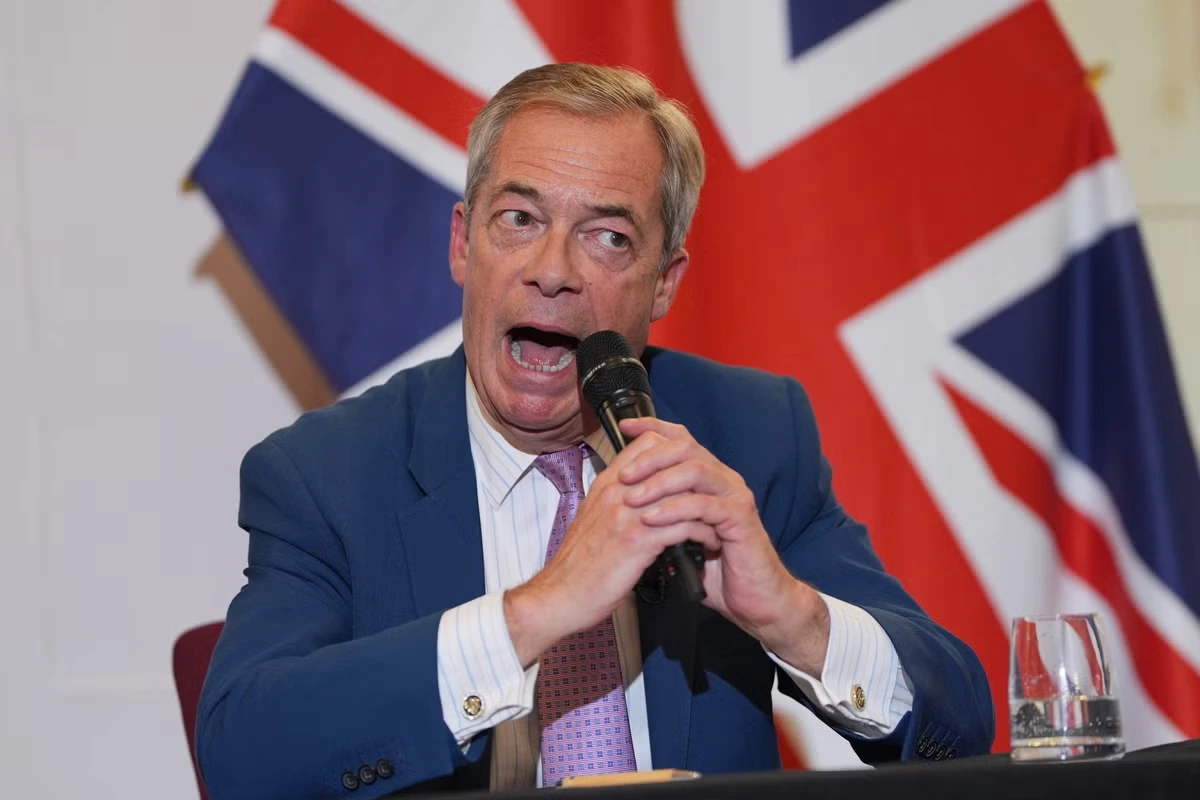
Liberal Democrats oppose the principle of the reforms. The Conservatives’ latest proposals are stricter than Labour’s, but not radically different – though that won’t stop them from exploiting Monday’s announcement as a “U-turn”. Reform UK say they will abolish indefinite leave to remain altogether (including existing recipients going back decades), introduce an extra tax on employers who take on migrant workers, deport some who have settled for years – even those now with established families in the UK – and also ban them from social housing, which may be too extreme a package for most voters’ tastes.