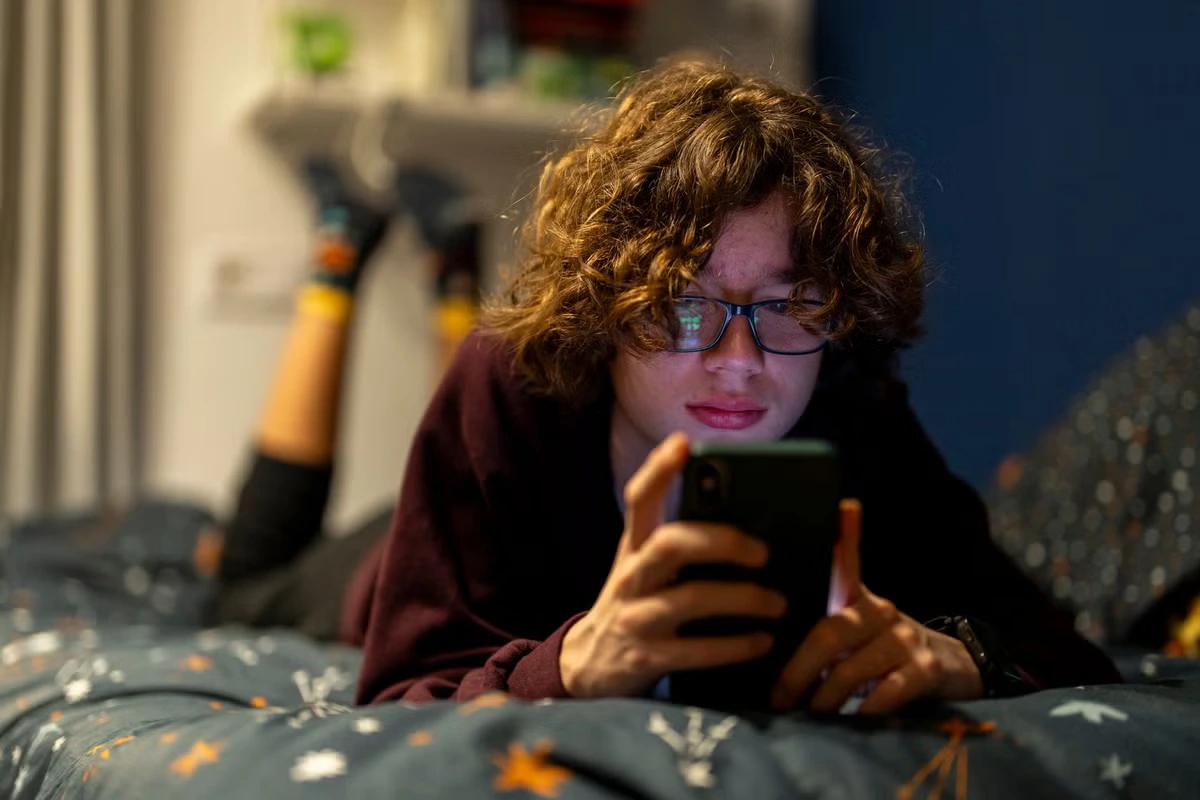
Keir Starmer has announced a ban on the use of social media by children under the age of 16. Critics and fans alike are claiming that it will form a fitting “legacy” for Starmer’s relatively brief premiership, assuming, of course, that he is indeed ousted in the coming months. But what will this monument to that little-spoken-of pragmatic, anti-ideology, Starmerism amount to?
Social media. The intention seems to be to name specific platforms rather than attempt to cover the whole field of “user-to-user platforms” via a catch-all legislative clause that would catch some communications apps unintentionally, yet fail to encompass others. Thus Snapchat, TikTok, YouTube, Instagram, X and Facebook are all being spoken of as targets, but the government says it “does not intend” to include WhatsApp and Signal in this aspect of regulation.
The government also wants to end “harmful functions such as livestreaming and stranger communication with children for under-16s”, and is also consulting on new measures to prevent obscene material from being used.
We’ll find out more next month when ministers such as “TechSec” Liz Kendall will be giving more detail on this. They say they’ll be learning from the mixed Australian experience of its ban and taking more input from parents, MPs and tech companies.
The main thrust is to require platforms to institute age verification, such as via bank details or facial recognition, which is tried-and-tested technology. However, what is unclear is whether any criminal or civil liability lies solely with the platforms or is shared with the children concerned and/or their parents. In other words, can a child or parent be penalised, sanctioned or acquire a criminal record if they deliberately evade legally adequate controls enforced by a responsible platform?
Inevitably, ingenious children will find ways around any law, school rule or restriction, as they always have – smoking behind the bike sheds or riding a motorbike under age being traditional rites of passage. On the other hand, a law is a law, and Starmer says it sets a sort of societal benchmark for what is and is not acceptable, as with the litter laws or serving underage teens in bars.
Arguably, making compliance fall so heavily on tech companies, with suitably stiff fines and other punishments, would make it easier to enforce. But if there are few, if any, detriments to children breaking into YouTube, say, then the law will soon be a dead letter.
Some may well resist and, being largely American, will have the support of the White House, not to mention the trillionaire Elon Musk. When the original consultation was launched in March, the Trump administration said an outright ban was not the answer (as do some parents’ groups). Tech giants could simply withdraw completely from the UK because of the onerous risks, and could cut their investment in UK operations, damaging ambitions to make the UK an “AI superpower”. Some, possibly Musk, might retaliate by encouraging users to bypass the law, for example, via his Starlink satellite network, which might be even harder to police.
Yes, in the satirical sense that it’s another U-turn, born out of painful months of inconclusive consultation, is vaguely populist, and so slow that by the time it comes into force next year he’ll be gone and his successor may find cause to cancel it.
But also “yes”, non-satirically, if it succeeds in its stated purpose to “remove barriers to opportunity and set every child up for happy, fulfilling lives”. Starmer may even still be around to collect the thanks of grateful parents. Meantime, he can doomscroll about his own fate on social media.