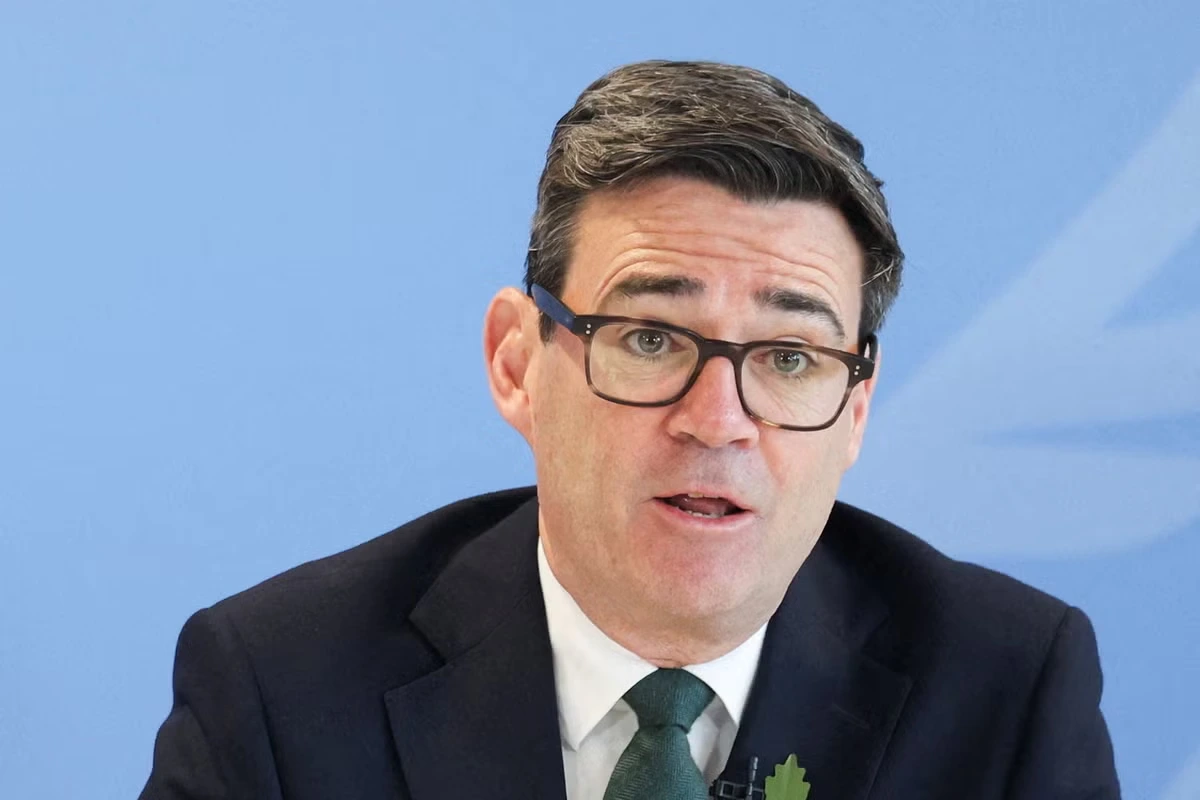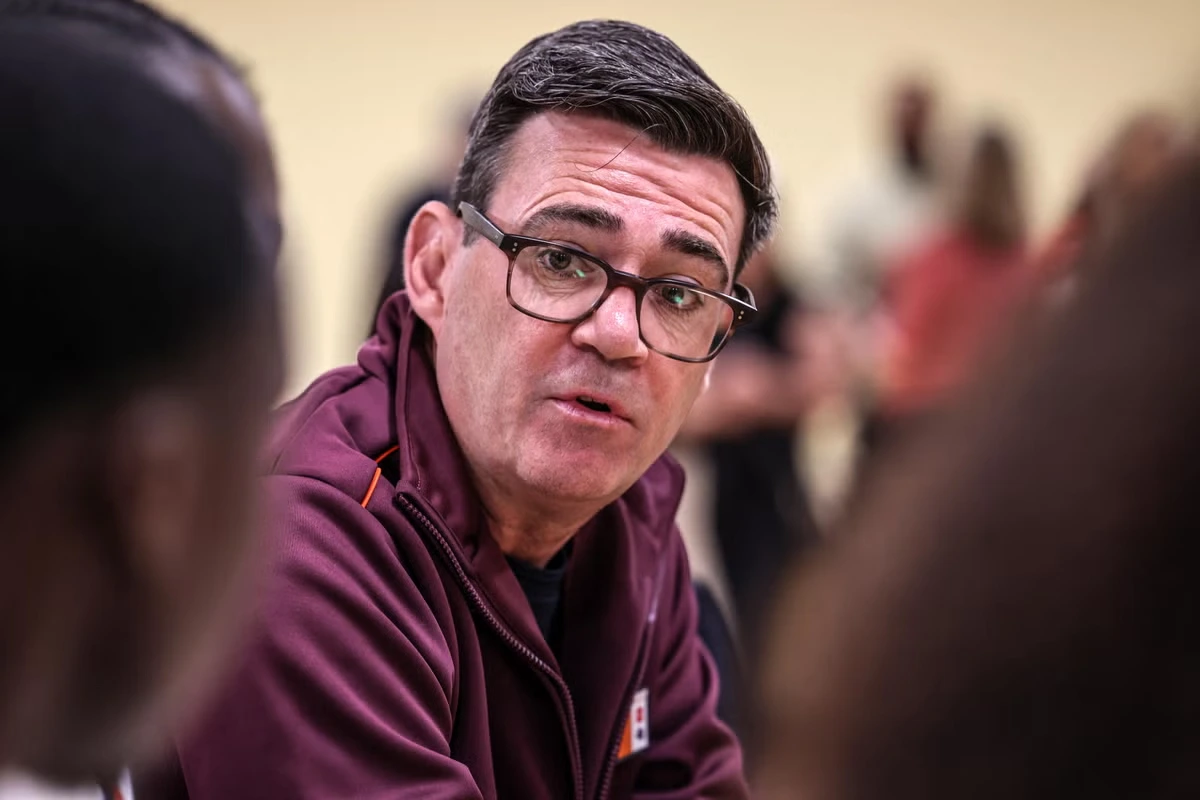
Child-safety campaigners are urging prime minister Andy Burnham to clamp down on social media giants and force them to make changes in the wake of a settlement in the US between Meta and 29 US states.
Meta on Wednesday reached a deal in a lawsuit against the attorneys-general of the states, who accused the company of knowingly damaging young people’s wellbeing with its platforms.
Under the agreement, the tech giant will pay up to $17bn (£12.5bn) and make sweeping changes that will apply to users in the US of Instagram and Facebook. Meta did not admit wrongdoing as part of the settlement.
The changes include daily limits and nighttime blocks on teenagers’ accounts on Instagram and Facebook. Young people will also be blocked from being able to see the number of likes or reactions to posts.
In the UK, activists said the case showed that Meta could be forced to make changes to its platforms that keep people scrolling and show damaging content.
Rowan Ferguson, of the Molly Rose Foundation, which campaigns to prevent young people being harmed by online content, called on the UK government to be “brave, bold and decisive in ways it hasn’t been before”.
He said: “As these changes only apply to US users, the UK government must heed this outcome and seize this opportunity to deliver a reset to children’s online safety across all platforms.
“Andy Burnham has now seen it is possible to take on Big Tech to address drivers of online harm.”
The Meta trial and settlement demonstrated that big tech can and should be held to account and with the right motivation, change was possible, he said.
“However, the denial of wrongdoing is disappointing, as it’s clear Meta’s business model has continuously failed to prioritise child safety.
“As the case has been cut short, we have been deprived of yet another opportunity to discover more about what Meta really knows about the harm it causes its young and vulnerable users.”
The foundation, named after Molly Russell, who took her own life aged 14 after seeing suicide content online, is calling for action to address platforms’ “harmful and addictive design choices, underpinned by business models that prioritise profit over safety”.
In June, under Sir Keir Starmer, the government announced a ban on social media for under-16s after the results of a nationwide consultation showed support for the measures.
But critics said it allowed the social media companies to avoid bearing any responsibility for their content and algorithms that keep people scrolling.
Technology secretary Liz Kendall accepted that many children would get around the ban but insisted the restriction would lead to a “significant change in behaviour”.
“I’ve never thought that the ban will be a complete silver bullet,” she said.
A government spokesperson said: “While this is a matter for Meta and the US courts, we are following developments closely.
“The Online Safety Act, which applies in the UK, requires platforms to protect users under 18 from harmful content. We are already taking further steps to promote British children's wellbeing and protect them from online harms by introducing a social-media ban for under-16s next year.
“We are also taking action on harmful features and addictive functionalities like limiting excess screen time and infinite scroll.”
If you are experiencing feelings of distress, or are struggling to cope, you can speak to the Samaritans, in confidence, on 116 123 (UK and ROI) or visit the Samaritans website to find details of your nearest branch.If you are based in the USA, and you or someone you know needs mental health assistance right now, call or text 988, or visit 988lifeline.org to access online chat from the 988 Suicide and Crisis Lifeline. This is a free, confidential crisis hotline that is available to everyone 24 hours a day, seven days a week. If you are in another country, you can go to www.befrienders.org to find a helpline near you