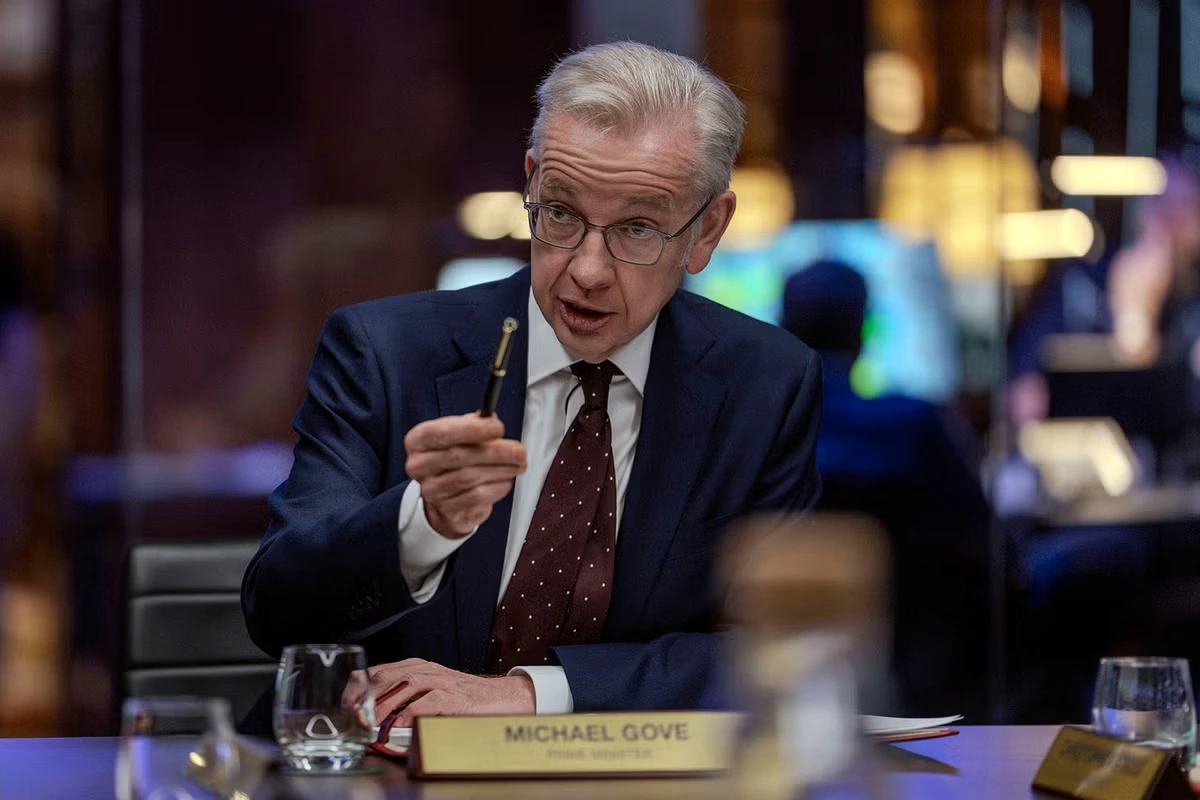
It had nothing to do with personal ambition, of course. A decade after the referendum that took Britain out of the EU, Boris Johnson insists his decision to support the Leave campaign was purely a matter of principle.
Well, he would say that, wouldn’t he?
To back up his claim – which is revealed in Brexit: A Very British Civil War, a new BBC documentary that begins tonight – Johnson makes a revealing point that is dripping with chutzpah: “Everybody says I did this to become PM… [but] I would have become prime minister anyway.”
In February 2016, four months before the referendum, Johnson – who, at the time, was Mayor of London but had also recently been elected MP for Uxbridge – wrote in his Daily Telegraph column how, “after a huge amount of heartache”, the hitherto pro-European Conservative would instead be throwing his hat in with Leave.
David Cameron and George Osborne remember things rather differently.
According to the then prime minister and his chancellor, Johnson’s decision – made only after he had also drafted an alternative 2,000-word opinion piece in which he declared for Remain – was a power play, to ingratiate himself with the Tory right and ultimately install himself in No 10. Or, as Osborne pithily puts it in the documentary, “a game of thrones”. So much for it being only a matter of principle.
For the rest of us, the 48 per cent who voted Remain in June 2016, this two-part film – by celebrated documentary-maker Norma Percy, who pioneered the technique of retelling a story by interviewing only those who were in the room when key decisions were taken – will provide a gripping but inevitably painful insight into what has come to be seen as a national and increasingly unpopular act of self-harm.
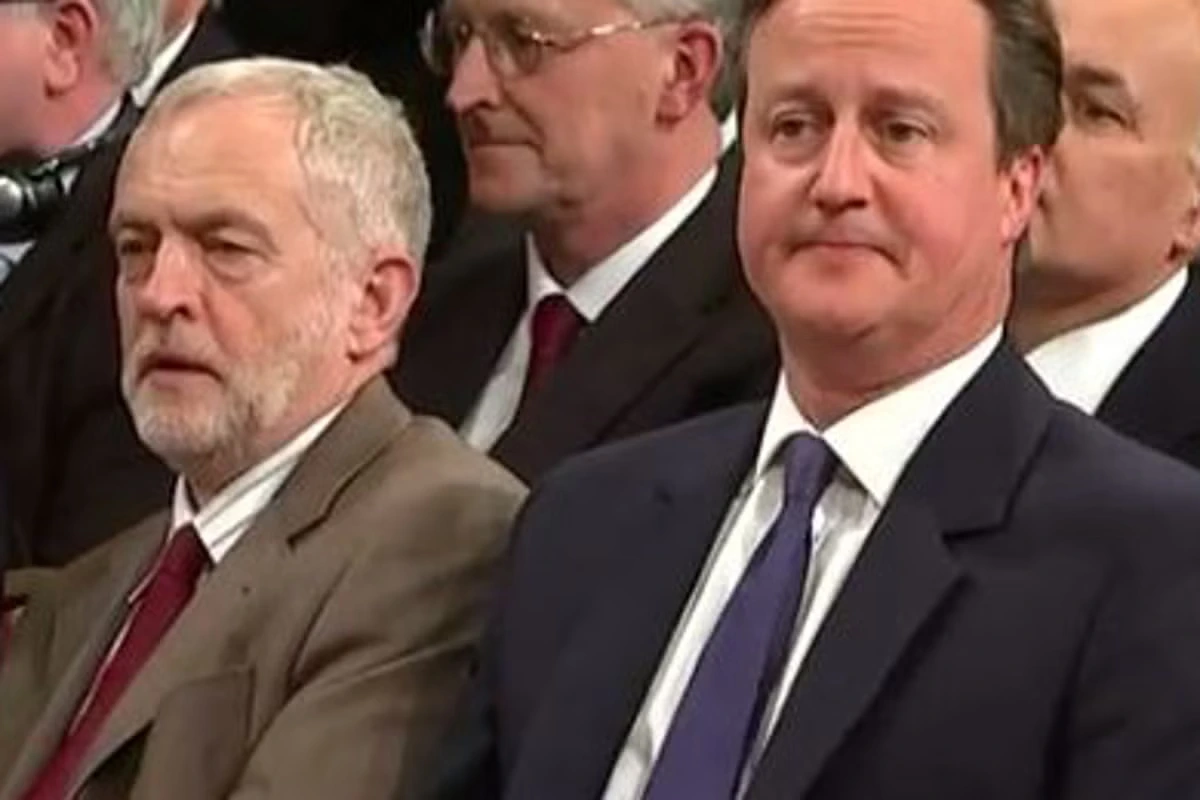
Ultimately, it was the defective approach by the then leaders of what we used to call the two “main” parties, David Cameron and Jeremy Corbyn, that did much to sink the chances of remaining in the EU.
According to the documentary, in a bid to recruit Johnson to the Remain cause, Cameron had offered Johnson a job in his Cabinet – a “top five” position, purported to be defence secretary – during a game of tennis at Winfield House, the US ambassador’s residence next to Regent’s Park.
Cameron explains: “I didn’t say which job it was, I said: ‘Be in no doubt, defence is a top five job, for instance…’ I wanted him to understand that I valued his contribution, that he would be a major part of the government, going forward.”
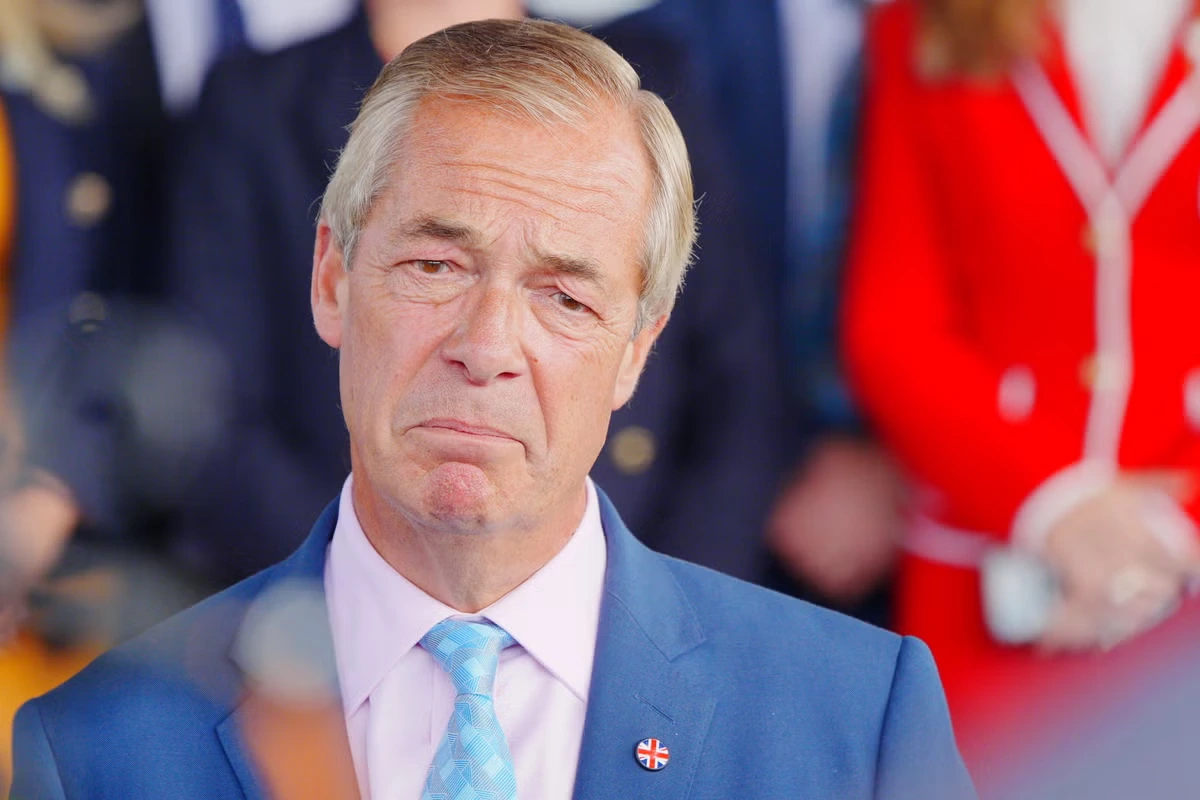
Which is all very gentlemanly – and in stark contrast to the ruthlessness of the Leave camp, which was happy to get down and dirty. The official campaign’s defining slogan, “Take Back Control”, augmented the more guerrilla efforts of Leave.EU, a rival gang led by Nigel Farage. Its eve-of-referendum “Breaking Point” poster, depicting a vast multi-ethnic queue of migrants waiting to come to Britain, was matched only by the serial failings of the Remain campaign to neutralise it.
A decade on, what is now clear is how many leading Remainers underestimated how the lurch towards Leave was propelled by a deep disillusionment with mainstream politics, and a suspicion of the pro-European establishment elite.
For a symbolic illustration of this, there was Farage’s Thames flotilla of fishermen, a disgruntled group he had persuaded that their problems caused by the EU’s fishing policy would be solved by Brexit – a promise that subsequently proved rather empty.
In an unwise move, singer and freelance Remain campaigner Bob Geldof hired a boat from which to harangue the Farage flotilla. As Rachel Johnson, who reluctantly agreed to join Geldof on board, now says: “There were all these wonderful fishing boats adorned with all these salty earth types, and there we were – these metropolitan w*****s.”
More seriously, the gap between the elite and the populists was perversely reinforced by Cameron’s, and especially Osborne’s, almost exclusive reliance on increasingly dubious “Project Fear” warnings of the worst-case impact of Brexit on individual family incomes.
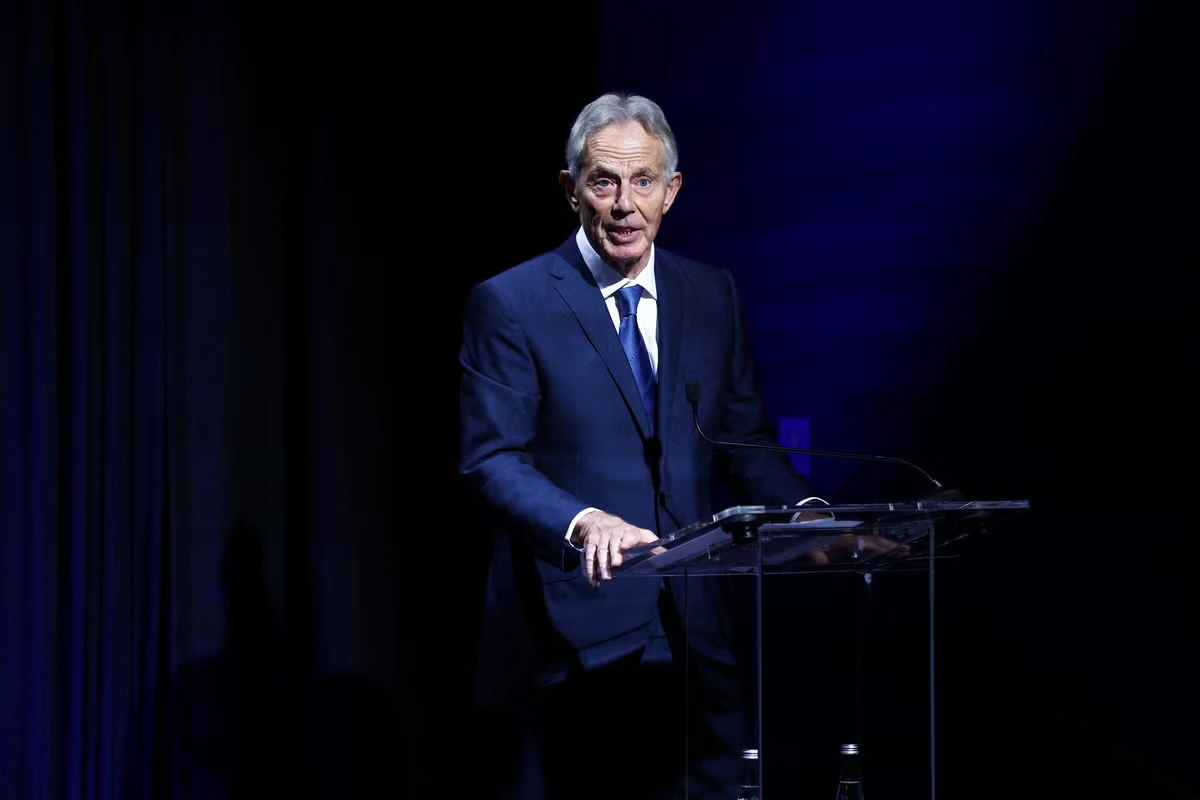
Cameron’s Downing Street predecessor Gordon Brown, as it happened, did understand much of this. After the fatal shooting and stabbing of pro-EU Labour MP Jo Cox by a far-right constituent shouting “Britain first”, Cameron suggested that all three living ex-PMs, John Major, Tony Blair and Brown, should stand in Downing Street with him and make a joint appeal for Remain. Brown demurred, on the grounds that this would simply play into the idea among voters – especially Labour voters – that this was all an “establishment stitch-up”.
Instead, Brown favoured a joint appearance of all living Labour leaders to make the case for “leading Europe, not leaving it”. But this foundered on the objections of the recently appointed Labour leader Jeremy Corbyn, who had long been instinctively anti-EU, and was only forced into dismally half-hearted campaigning for Remain by the overwhelming wishes of his MPs and party members.
Corbyn also refused to ever appear on the same platform as Blair, the most electorally successful of all Labour leaders, but whom he had long opposed because of “the [Iraq] war, the free market and all the other things Blair was so keen on”.
Either way, Cameron and Osborne rejected point blank the pleas from others in the Remain campaign to tackle head on the hyperbolic and increasingly dominant claims about immigration by the Leave side, reportedly because that would be “playing the game” of their opponents.
Johnson claims that Cameron told him in a private telephone conversation he would “f*** you up for ever” if Johnson opted for Leave. Cameron says he doesn’t remember saying this, but it plays into the wider sense that he held back all-out attacks in order to maintain Conservative unity once the referendum was over.
To co-opt the words of William Blake, hindsight is a wonderful thing – but, with the EU referendum, and for all of our sakes, a little foresight would have been better.
The first episode of ‘Brexit: A Very British Civil War’ is on BBC Two on Monday 8 June, 9pm
Sign up to our free Europe: The Way Back newsletter here, or by using the form below