This judgement that Myanmar committed genocide against the Rohingya people is historic. Myanmar now carries the stain of being the first state to have been found to have violated the 1948 Genocide Convention.
This judgement that Myanmar committed genocide against the Rohingya people is historic. Myanmar now carries the stain of being the first state to have been found to have violated the 1948 Genocide Convention.
The Rohingyas are getting justice that is long overdue. At least 10,000 were killed when their communities were attacked by Myanmar's security forces and local militias in 2017.
The Rohingyas are getting justice that is long overdue. At least 10,000 were killed when their communities were attacked by Myanmar's security forces and local militias in 2017.
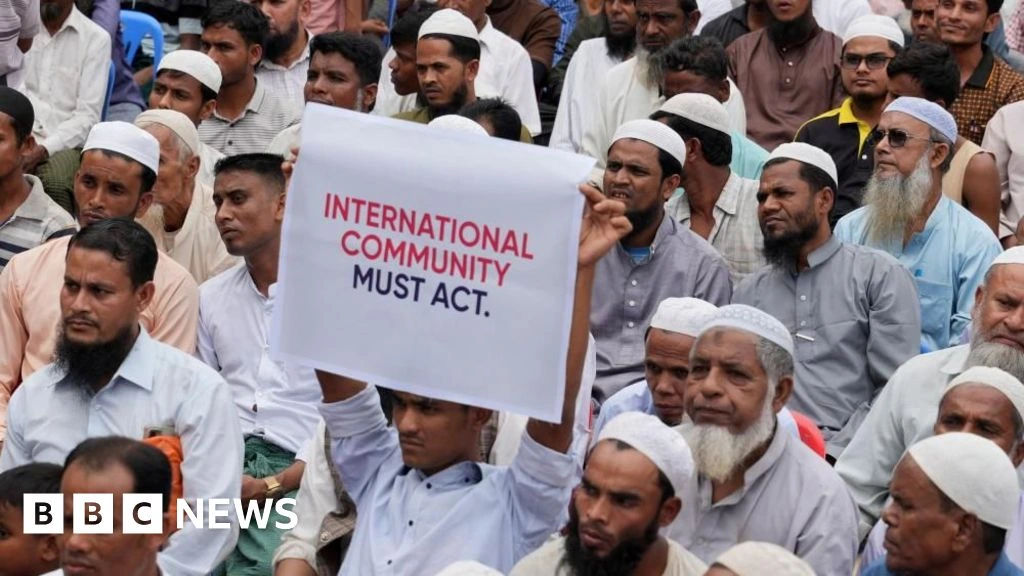
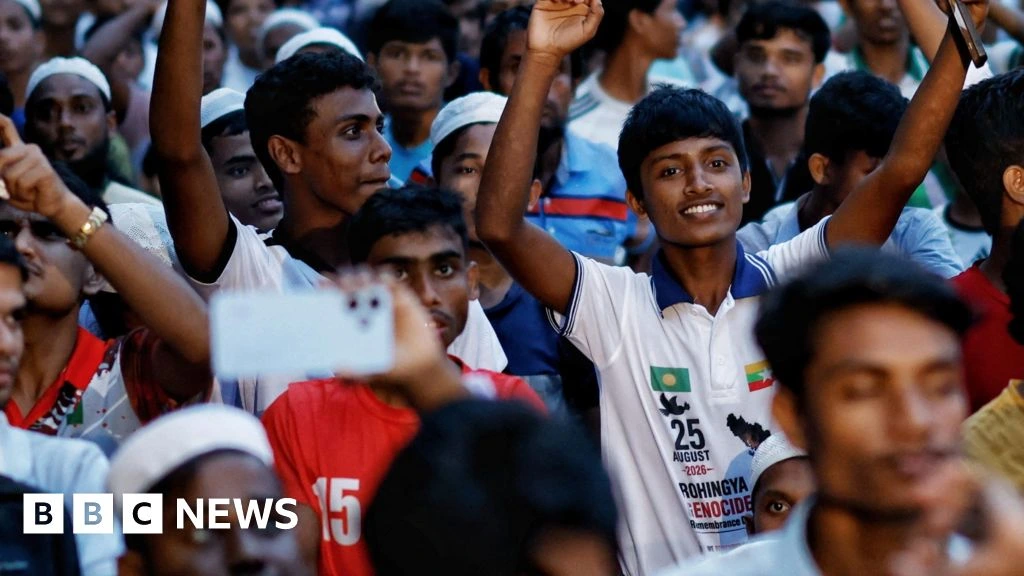
In the huge camps in Bangladesh where more than one million Rohingya refugees have been living since they fled the terrible events of 2017, crowds gathered around screens to watch the President of the ICJ, Judge Yuji Iwasawa, deliver the court's verdict.
In the huge camps in Bangladesh where more than one million Rohingya refugees have been living since they fled the terrible events of 2017, crowds gathered around screens to watch the President of the ICJ, Judge Yuji Iwasawa, deliver the court's verdict.
He recalled some of the evidence heard by the court since the Gambia brought the case to the court in 2019, with the backing of the Organisation of Islamic Cooperation. It described acts of mass murder, rape, torture and the destruction of villages, sometimes with Rohingya residents burnt to death inside their homes.
He recalled some of the evidence heard by the court since the Gambia brought the case to the court in 2019, with the backing of the Organisation of Islamic Cooperation. It described acts of mass murder, rape, torture and the destruction of villages, sometimes with Rohingya residents burnt to death inside their homes.
The decision by a majority of nine votes to six at the International Court of Justice (ICJ) will also have a significant impact on the other genocide cases currently being heard by the court by reasserting and clarifying the standard of evidence needed to prove genocidal intent.
The decision by a majority of nine votes to six at the International Court of Justice (ICJ) will also have a significant impact on the other genocide cases currently being heard by the court by reasserting and clarifying the standard of evidence needed to prove genocidal intent.
They include South Africa's case that Israel committed genocide against the Palestinian people in Gaza in its response to the Hamas attacks of 7 October 2023. Israel has repeatedly and vehemently denied the allegation.
They include South Africa's case that Israel committed genocide against the Palestinian people in Gaza in its response to the Hamas attacks of 7 October 2023. Israel has repeatedly and vehemently denied the allegation.
The court's landmark decision also reinforces those who believe in the rules that were made to regulate the way that power is wielded after World War Two. The 1948 Genocide Convention was a vital part of the structure that was built around the United Nations to stop a repeat of the unfettered brutality, war and genocide in the years before the defeat of the Nazis.
The court's landmark decision also reinforces those who believe in the rules that were made to regulate the way that power is wielded after World War Two. The 1948 Genocide Convention was a vital part of the structure that was built around the United Nations to stop a repeat of the unfettered brutality, war and genocide in the years before the defeat of the Nazis.
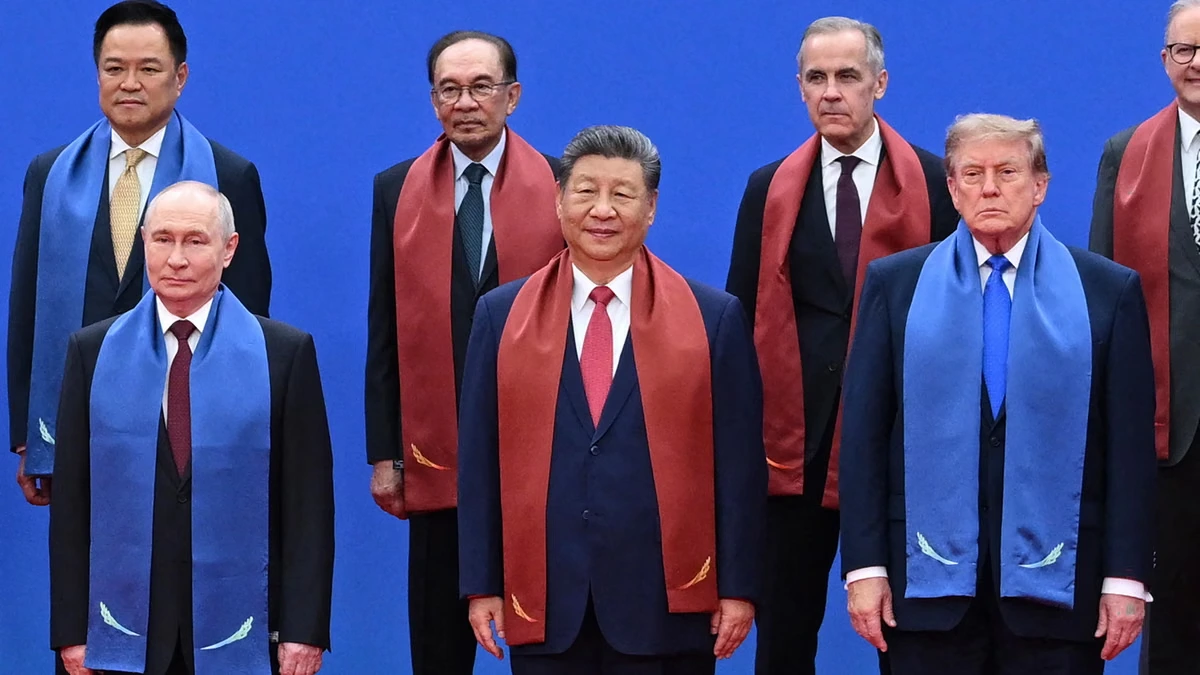
The rules and conventions established after 1945 have been under unprecedented pressure in the era of US President Donald Trump, Russian President Vladimir Putin and Chinese President Xi Jinping. On the day of their summit in China, the ICJ issued a reminder that international law still exists and perhaps can show that the use of force against civilians has consequences.
The rules and conventions established after 1945 have been under unprecedented pressure in the era of US President Donald Trump, Russian President Vladimir Putin and Chinese President Xi Jinping. On the day of their summit in China, the ICJ issued a reminder that international law still exists and perhaps can show that the use of force against civilians has consequences.
Lawyers will study the way in which the Gambia proved the crucial point that the state of Myanmar intended to commit genocide.
Lawyers will study the way in which the Gambia proved the crucial point that the state of Myanmar intended to commit genocide.
Proving intent is the biggest challenge in a genocide case at the ICJ. Showing that atrocities occurred is not in itself enough.
Proving intent is the biggest challenge in a genocide case at the ICJ. Showing that atrocities occurred is not in itself enough.
The key phrase from the Genocide Convention, adopted by the United Nations after the Nazi Holocaust of European Jewry, defines the crime as "acts committed with intent to destroy, in whole or in part, a national ethnical, racial or religious group".
The key phrase from the Genocide Convention, adopted by the United Nations after the Nazi Holocaust of European Jewry, defines the crime as "acts committed with intent to destroy, in whole or in part, a national ethnical, racial or religious group".
The people who framed the Convention in the years after World War Two, led by Raphael Lemkin, a Jewish survivor of the Holocaust, deliberately set a high bar of proof.
The people who framed the Convention in the years after World War Two, led by Raphael Lemkin, a Jewish survivor of the Holocaust, deliberately set a high bar of proof.
That is why it has taken so long for the ICJ to deliver a ruling that genocide has been committed.
That is why it has taken so long for the ICJ to deliver a ruling that genocide has been committed.
In an ideal world for lawyers and investigators, they would assemble evidence from government documents and military orders. In practice, that is hard if not impossible to get.
In an ideal world for lawyers and investigators, they would assemble evidence from government documents and military orders. In practice, that is hard if not impossible to get.
Governments harbouring genocidal intent do not publicise their objectives. Instead, the Court has inferred evidence of genocidal intent from the actions taken by Myanmar's security forces and local militias against the Rohingya people.
Governments harbouring genocidal intent do not publicise their objectives. Instead, the Court has inferred evidence of genocidal intent from the actions taken by Myanmar's security forces and local militias against the Rohingya people.
According to Janina Dill, Chair in Global Security at the Blavatnik School of Government of the University of Oxford, "Genocidal intent can be inferred from a pattern of conduct… It does not mean the commission of atrocities had to follow only one goal, genocide. If that were the case, demonstrating that atrocities also followed other goals (like counterinsurgency, punishment or displacement) would negate genocidal intent.
According to Janina Dill, Chair in Global Security at the Blavatnik School of Government of the University of Oxford, "Genocidal intent can be inferred from a pattern of conduct… It does not mean the commission of atrocities had to follow only one goal, genocide. If that were the case, demonstrating that atrocities also followed other goals (like counterinsurgency, punishment or displacement) would negate genocidal intent.
"The court was incredibly clear that these are plausible goals, but it ruled that the totality of the evidence cannot be explained without genocide being one objective."
"The court was incredibly clear that these are plausible goals, but it ruled that the totality of the evidence cannot be explained without genocide being one objective."
In other words, even if a state has been attacked, and if it orders its forces on to the offensive claiming self-defence, the sum of its actions could add up to genocide.
In other words, even if a state has been attacked, and if it orders its forces on to the offensive claiming self-defence, the sum of its actions could add up to genocide.
The justices made clear that each case needed to be treated on its merits. But because the court's decisions affect the way the law is interpreted, the Myanmar case does have an impact on the other genocide cases that are being heard by the ICJ. The most prominent is the one brought by South Africa against Israel over the killing and destruction it has inflicted on Palestinians in Gaza.
The justices made clear that each case needed to be treated on its merits. But because the court's decisions affect the way the law is interpreted, the Myanmar case does have an impact on the other genocide cases that are being heard by the ICJ. The most prominent is the one brought by South Africa against Israel over the killing and destruction it has inflicted on Palestinians in Gaza.
The British barrister, Philippe Sands KC, part of the Gambia's legal team, was in the chamber of the ICJ in The Hague to hear the verdict. Sands told the BBC's World at One programme that when they were arguing the case against Myanmar at the ICJ in January this year, Gaza was "the elephant in the room. Everybody knew that the court's approach in this case would have implications in the next one".
The British barrister, Philippe Sands KC, part of the Gambia's legal team, was in the chamber of the ICJ in The Hague to hear the verdict. Sands told the BBC's World at One programme that when they were arguing the case against Myanmar at the ICJ in January this year, Gaza was "the elephant in the room. Everybody knew that the court's approach in this case would have implications in the next one".
The approach taken by the ICJ justices in the judgement on Myanmar, he told the BBC, clarifies the standard of evidence they require to prove genocide.
The approach taken by the ICJ justices in the judgement on Myanmar, he told the BBC, clarifies the standard of evidence they require to prove genocide.
"If the Gambia had lost, South Africa's case would, in effect, be over."
"If the Gambia had lost, South Africa's case would, in effect, be over."
"But the Gambia now having succeeded, the door remains open for South Africa. That doesn't mean that South Africa will win. It doesn't mean that the International Court of Justice will find there was a genocide in Gaza. It means that the evidentiary standard has been defined very clearly, and it will be now for the parties in that next case and in other cases to meet those standards."
"But the Gambia now having succeeded, the door remains open for South Africa. That doesn't mean that South Africa will win. It doesn't mean that the International Court of Justice will find there was a genocide in Gaza. It means that the evidentiary standard has been defined very clearly, and it will be now for the parties in that next case and in other cases to meet those standards."
The undoubted joy and relief felt by Rohingyas in the camps in Bangladesh will not deliver them an immediate improvement in the miserable and dangerous living conditions they have been forced to endure for almost a decade.
The undoubted joy and relief felt by Rohingyas in the camps in Bangladesh will not deliver them an immediate improvement in the miserable and dangerous living conditions they have been forced to endure for almost a decade.
The court has no mechanism to enforce its rulings, but it has told Myanmar to make reparations to the Rohingyas.
The court has no mechanism to enforce its rulings, but it has told Myanmar to make reparations to the Rohingyas.
That will not be easy. Hundreds of villages have been razed to the ground, and the Myanmar government is unlikely quietly to accept the verdict of the court.
That will not be easy. Hundreds of villages have been razed to the ground, and the Myanmar government is unlikely quietly to accept the verdict of the court.
The UK, as the so-called 'pen holder' on the UN Security Council with responsibility for diplomacy around the Myanmar issue, issued a statement saying it was "determined to act and ensure accountability for these appalling crimes… we must ensure the Court's ruling sends a clear message that such crimes cannot be committed with impunity".
The UK, as the so-called 'pen holder' on the UN Security Council with responsibility for diplomacy around the Myanmar issue, issued a statement saying it was "determined to act and ensure accountability for these appalling crimes… we must ensure the Court's ruling sends a clear message that such crimes cannot be committed with impunity".
It has called for an urgent session of the Security Council, is expelling Myanmar's defence attaché in London and has promised other measures in the coming days.
It has called for an urgent session of the Security Council, is expelling Myanmar's defence attaché in London and has promised other measures in the coming days.
Not much might be possible at the UN. A tough resolution against Myanmar could be vetoed by either China or Russia, or both.
Not much might be possible at the UN. A tough resolution against Myanmar could be vetoed by either China or Russia, or both.
Other rumblings have come from the Trump Administration about the case. Without waiting for the ICJ's verdict, former US President Joe Biden's administration declared in 2022 that the Myanmar military committed genocide against the Rohingya people.
Other rumblings have come from the Trump Administration about the case. Without waiting for the ICJ's verdict, former US President Joe Biden's administration declared in 2022 that the Myanmar military committed genocide against the Rohingya people.
But Mike Waltz, the current US ambassador to the UN, warned the court last month not to "lower the legal threshold for proving genocide".
But Mike Waltz, the current US ambassador to the UN, warned the court last month not to "lower the legal threshold for proving genocide".
Waltz said he was speaking out to protect "American and allied soldiers" but his post has been widely interpreted as support for Israel's defence at the ICJ.
Waltz said he was speaking out to protect "American and allied soldiers" but his post has been widely interpreted as support for Israel's defence at the ICJ.
He condemned what he called the "leftist, global, antisemitic agenda" of the international community, singling out Navi Pillay, this year's recipient of the Nobel Peace Prize, who was one of the judges in the Myanmar case.
He condemned what he called the "leftist, global, antisemitic agenda" of the international community, singling out Navi Pillay, this year's recipient of the Nobel Peace Prize, who was one of the judges in the Myanmar case.
She led a UN independent international commission that reported a year ago that Israel had committed genocide against Palestinians in the Gaza Strip.
She led a UN independent international commission that reported a year ago that Israel had committed genocide against Palestinians in the Gaza Strip.
But whatever the threats coming from the Trump Administration, it is clear that delivering justice to the Rohingya people will refocus attention on Israel's conduct in Gaza, South Africa's case at the ICJ and on the continuing plight of Palestinians in the ruins of Gaza, where more than 1,400 have been killed by Israel since the ceasefire just over a year ago.
But whatever the threats coming from the Trump Administration, it is clear that delivering justice to the Rohingya people will refocus attention on Israel's conduct in Gaza, South Africa's case at the ICJ and on the continuing plight of Palestinians in the ruins of Gaza, where more than 1,400 have been killed by Israel since the ceasefire just over a year ago.
It would be wrong, lawyers say, to view the Myanmar case as a dress rehearsal for the case against Israel.
It would be wrong, lawyers say, to view the Myanmar case as a dress rehearsal for the case against Israel.
"It risks distracting from the Rohingya, who should appropriately be our focus," according to Janina Dill, from Oxford University.
"It risks distracting from the Rohingya, who should appropriately be our focus," according to Janina Dill, from Oxford University.
"Litigation on their plight is not a test case for a conflict that the world has chosen to pay more attention to."
"Litigation on their plight is not a test case for a conflict that the world has chosen to pay more attention to."