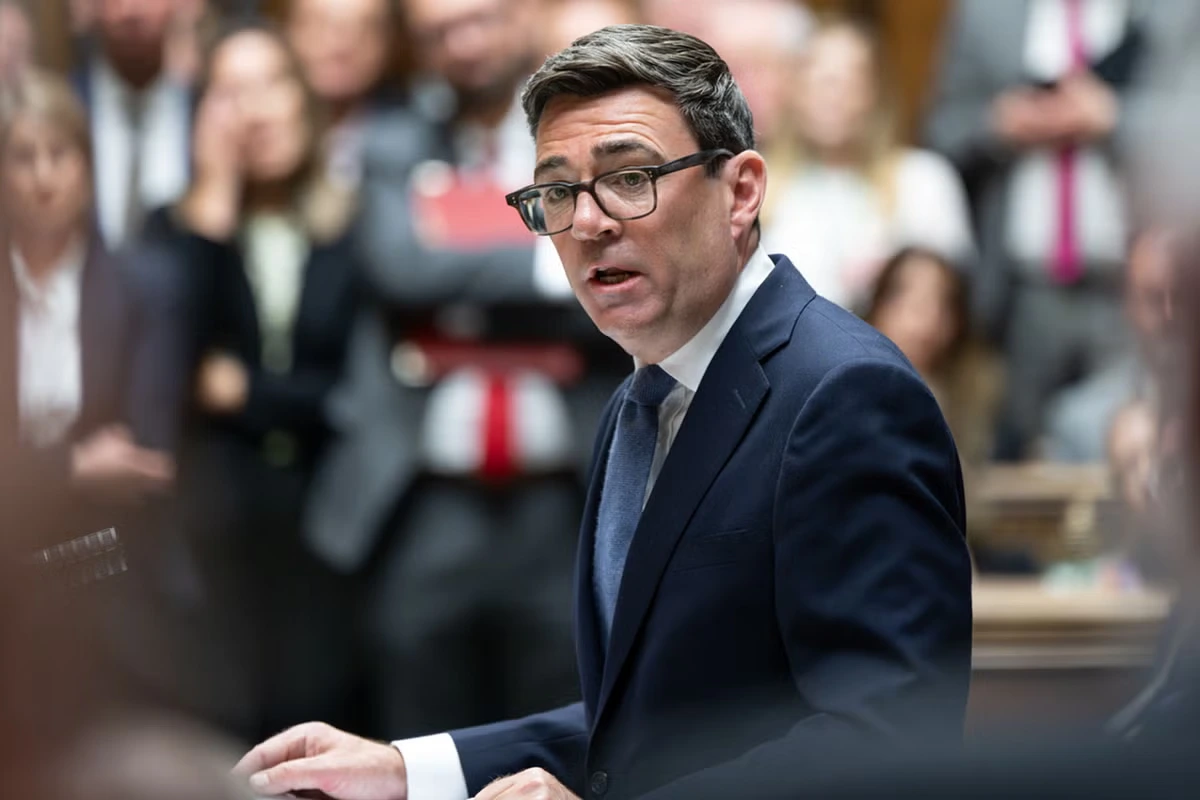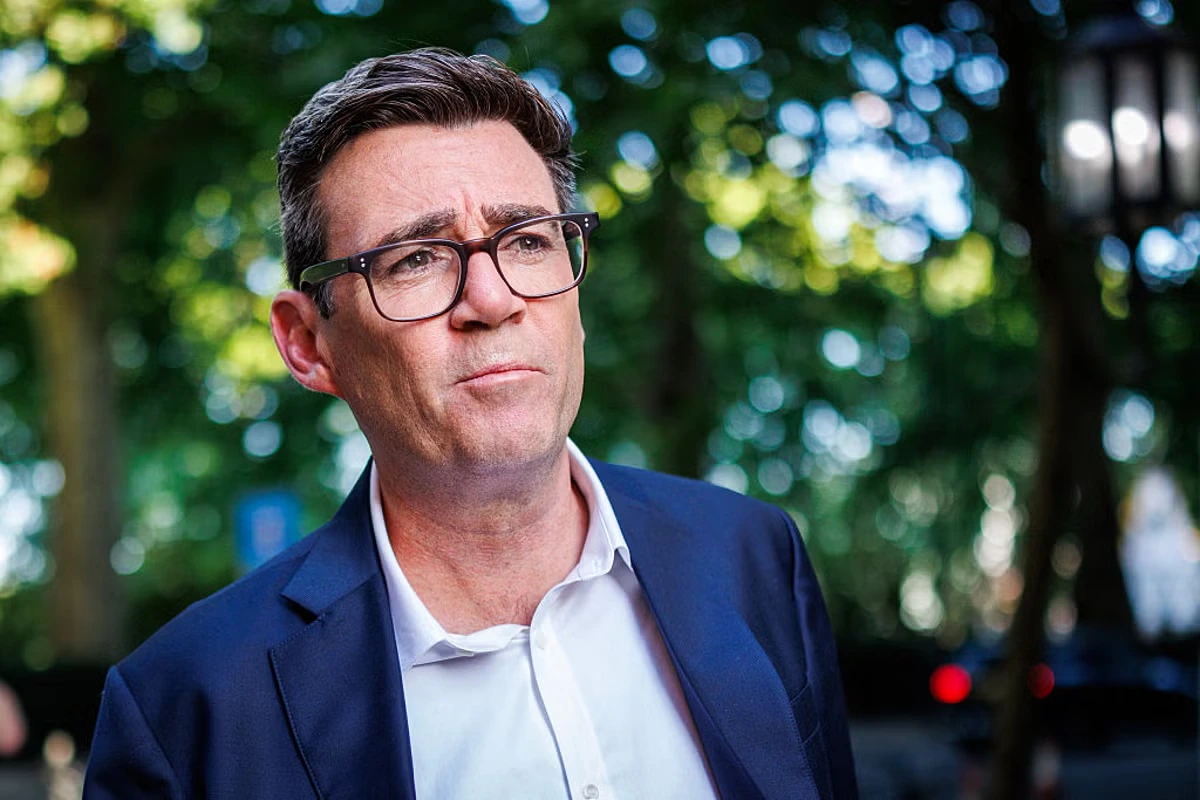
In just a few days, Andy Burnham is set to become Britain’s next prime minister as he runs unopposed to take over from the departing Sir Keir Starmer.
There are now growing questions about what the UK might look like under a Burnham premiership, as he continues to outline his political vision for Britain.
The former Manchester mayor presented his campaign for Makerfield in June not just as a vote for its residents, but to “change Labour” with him leading the country in the top job.
In a landmark speech in Manchester last month, Mr Burnham said: “True to the motto of this city, I am going to do things differently. I am going to break with the more-of-the-same approach that has got us here.
“I am going to give Britain the circuit-breaker it needs, by building a more collaborative politics in Westminster, by taking power out of the centre and putting it in the hands of the people and places who can use it best and, in so doing, creating a new sense of agency, possibility and hope flowing around the country.
“We will make politics work for you and the place where you live. I know it can be done, because we have done it here.”
Here’s what his rise to Number 10 could mean for the country:
At the heart of Mr Burnham’s plan for Britain is “Manchesterism”, a political vision that, in short, brings together elements of devolution and public control.
Informed by his time as mayor, Mr Burnham has called for greater powers and funding decisions to be given to regional leaders who are best-placed to understand the needs of their community.
The is characterised by the city’s successful “Bee Network”. Comprising bus and tram routes across the city, the development of the scheme saw ownership of the infrastructure wrested from several private companies in a move that gave local decision-makers full control.
Manchesterism was recently explained in detail in an essay by Mathew Lawrence, director of the Common Wealth think tank, whose ideas are understood to be influential to Mr Burnham and his team.
He told The Independent: “There was this deregulated, fragmented, bus service in which prices have spiralled, services declined, and they brought it back into public control, not ownership.
“[This] has seen fares fall by 15 per cent, ridership expand, quality improved ... It's an engine of solidarity if you can all catch the same bus that's capped the same fare, that's public in branding, spirit, and ethos.”
The Manchesterism approach could be expanded on the national stage, Mr Burnham has indicated, through both greater control of public services and the decentralisation of political decision-making. In effect, the latter means taking some decisions away from Westminster, and giving councils and combined authorities “the control [they] need”.
Speaking to Channel 4 News last month, Mr Burnham said “deindustrialisation and privatisation” of Britain had left areas like Makerfield “without good jobs and people unable to afford the basics”.
He said: “We need a different path completely. What is that path? Put more things back under stronger public control: energy, housing, water, transport.
“I’ve done that with buses in Greater Manchester. I was the first to do it. Margaret Thatcher deregulated them … and then they just work for the private shareholders and not for the paying public.
“I put them back under public control with the £2 fares, so you take that principle and apply it to energy and apply it to the water – that’s what I think we need to do.”
But how do you take this idea to the national stage? Mr Lawrence believes the answer is a “pragmatic but pro-ordinary people, businesses, communities assessment of ‘how do you just rationalise the provision of everyday essential infrastructure?’”.
He adds: “Taking back control of essentials... Some of them might be franchise models, some of them might be ownership models, to deliver affordability and fix some of the supply-side dysfunction.
“What it is definitely not is blunt Whitehall-driven nationalisation. That's kind of the opposite of the approach. It is saying you need to fix some of these foundational sectors, partly to give people dignity and security, and bring affordability.”
The surest sign of Mr Burnham’s commitment to this model is his proposal to create a ‘No. 10 North’, which he described last month as a “nerve centre for a rewired Britain ... the conduit through which we redistribute power and resources across the UK”.
This unit will also oversee the “biggest council house building programme since the post-war period,” he added.
In a similar vein, Mr Burnham has said he is committed to “strong public control and direction” over the UK’s investment strategy to drive economic growth. Responding to former prime minister Tony Blair’s controversial essay last month, he said Manchester’s growth did not “come about by leaving things to the market”.
Elsewhere, the new Makerfield MP has said he will stick to chancellor Rachel Reeves’ fiscal rules, which are designed to bring government debt levels down.
On tax, Mr Burnham has also recommitted to the Labour pledge not to raise income tax, VAT or national insurance this parliament. However, earlier this month he said “there is some room” for movement on tax.
He told LBC: “If you take business rates, for instance, I believe there is a case for higher business rates on warehouses and the major developments we see on the outskirts of our cities, so that we can cut business rates for pubs.”
Other taxation stances Mr Burnham has indicated he holds are:
Mr Burnham has said he will not try to return the UK to the EU, arguing that the country would be stuck in a “permanent rut if we’re just constantly arguing”.
He explained in May: “My view is that Brexit has been damaging, but I also believe the last thing we should do right now is rerun those arguments.”
In the weeks following Sir Keir’s resignation, the path to No 10 has been astonishingly clear for Mr Burnham. The surprise backing of former health secretary Wes Streeting in June means he has been the only challenger to get the required number of nominations, and so will rise to power unopposed.
The fast-paced turn of events means he should become Labour leader on Friday 17 July, and be invited by the King to take up the position of prime minister the following Monday.
It may seem sudden, but his decision to lay out his political vision in such detail over the past few months indicates Mr Burnham’s sales pitch to the Labour MPs, members and the nation has been long in the making.