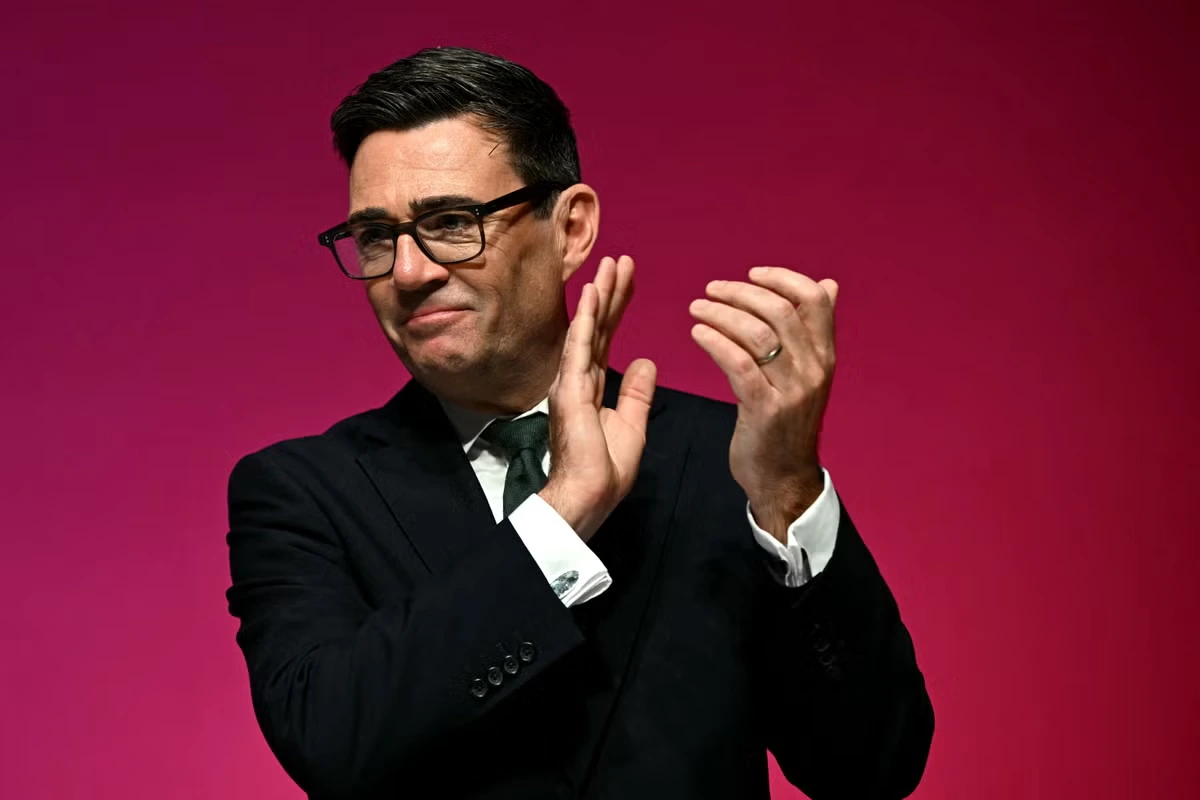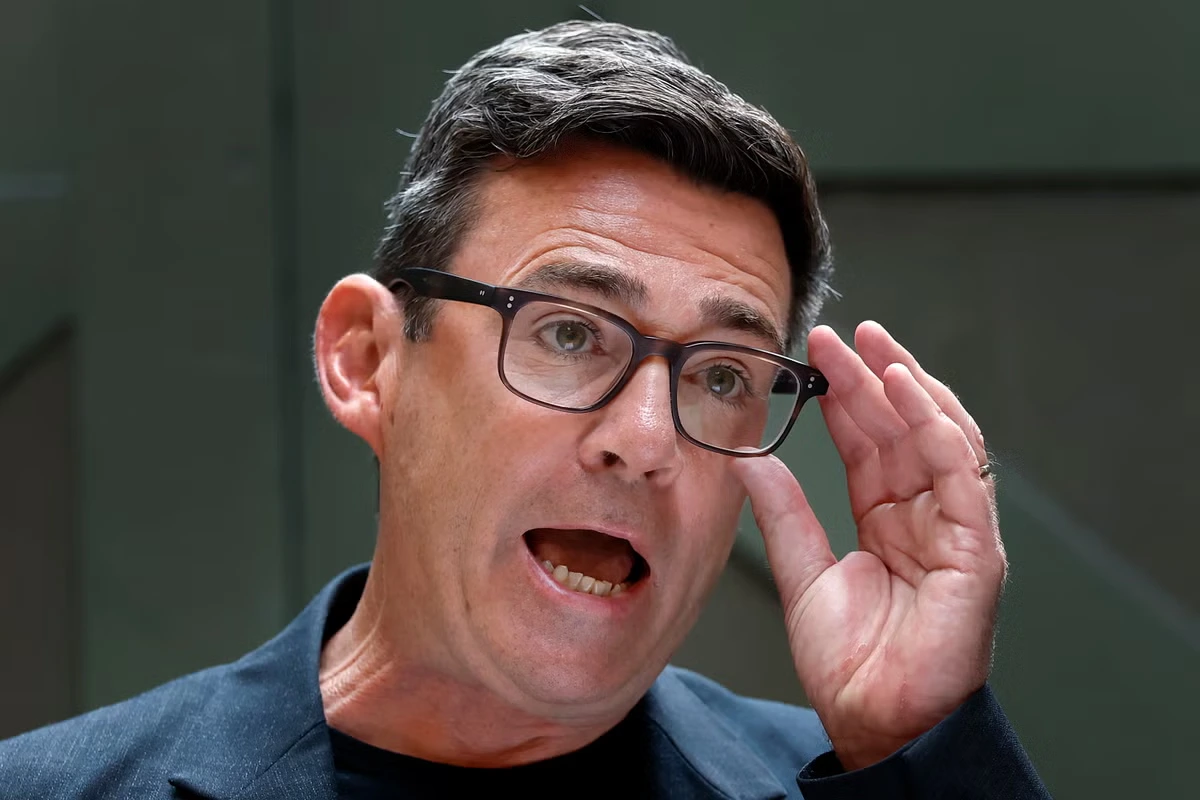
More than half of British voters believe Andy Burnham is not yet ready to become prime minister, though a significant proportion remain open to hearing his proposals, a new poll has revealed.
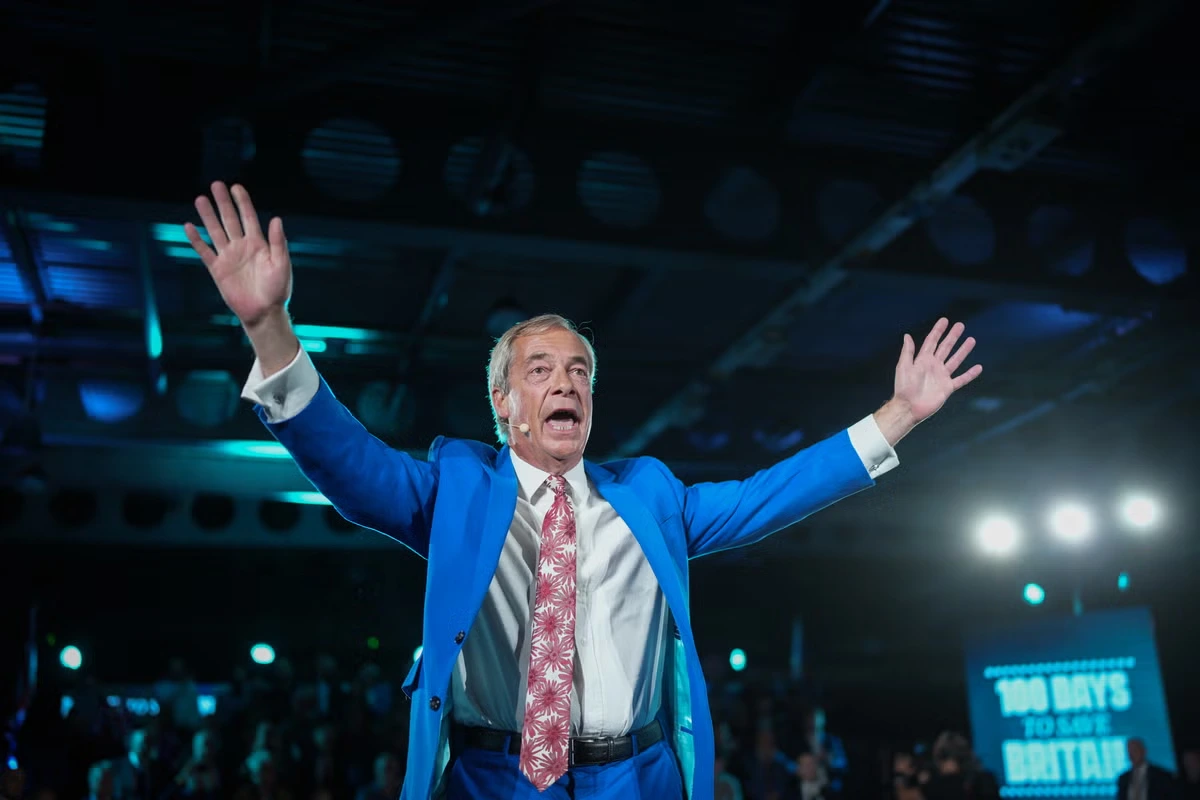
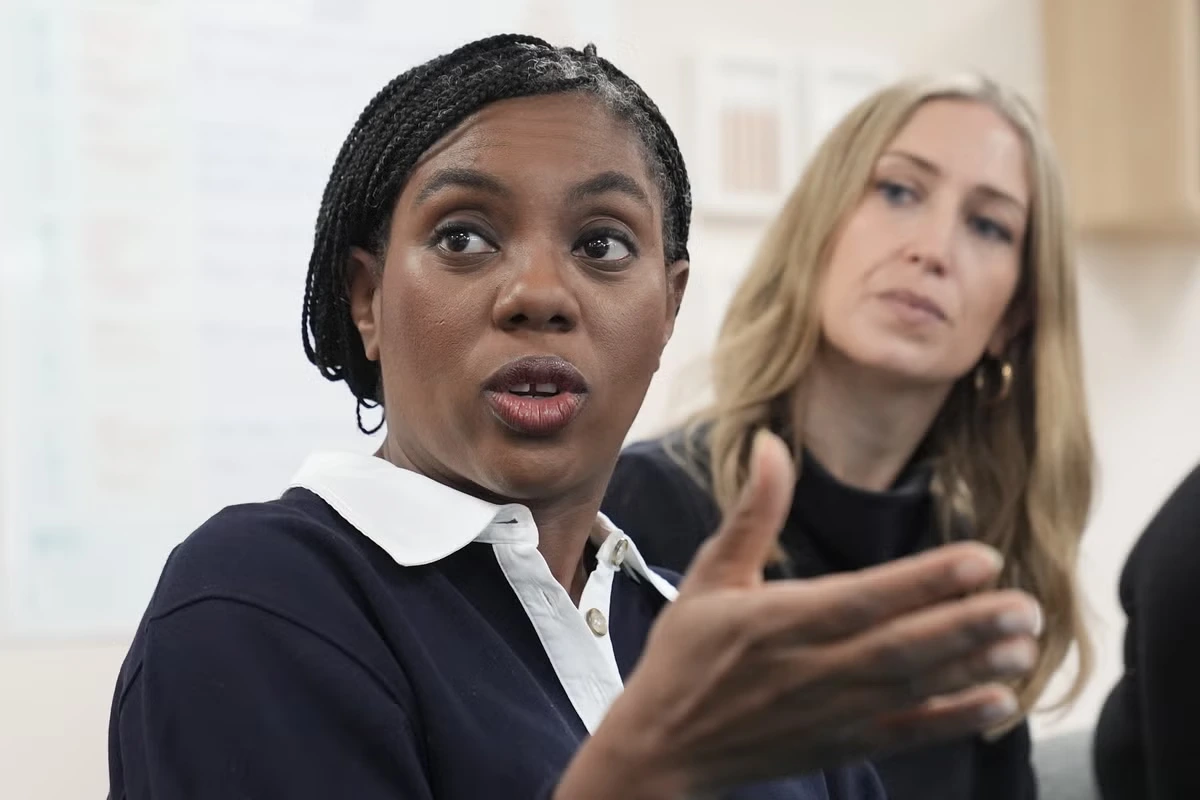
A survey conducted by More in Common found that 59 per cent of Britons did not consider the Makerfield MP prepared for the nation’s top job. However, Mr Burnham is still perceived as more ready than rivals Kemi Badenoch or Nigel Farage, with 62 per cent and 66 per cent respectively deeming them unready for leadership.
Despite a net favourability rating of 0 per cent, Mr Burnham maintains a higher popularity than any other party leader, though 45 per cent of respondents expressed no opinion of him. Public opinion is also divided on his potential performance in Downing Street, with 27 per cent believing he would succeed and 25 per cent anticipating he would not.
Luke Tryl, executive director of More in Common, commented on the findings, stating that Britons are "willing to give Andy Burnham a hearing, but the window for him to turn that rehearing into a reset for the Government is narrow". He added: "Burnham has a higher approval rating than any main party leader, and in focus groups we often hear from voters who say his promise to change politics resonates."
Mr Tryl further emphasised the growing expectation for clarity: "However, there is now an expectation and demand that Burnham set out a clear vision of what his government would mean for Britain, and how and where he will bring about real tangible change that makes people’s lives better and addresses issues such as the cost of living."
The poll, published on Tuesday, follows Mr Burnham’s first major speech since announcing his bid for the Labour leadership, where he outlined his economic vision for the UK. Pledging a radical "rewiring" of Britain, the former Greater Manchester mayor proposed transferring power and money from Whitehall to the regions, spearheaded by a new "No10 North" based in Manchester.
This proposed department would not only oversee his drive for devolution but also be tasked with expanding public ownership of key utilities, reindustrialising the country, and implementing a substantial council house building programme.
While Mr Burnham promised to offer the country "breathing space" on the cost of living "as soon as I can", he refrained from detailing concrete steps, acknowledging the need to avoid "risks" with public finances.
Should he become prime minister, Mr Burnham is expected to spend less time in Downing Street than his predecessors, dividing his time between No. 10 and Manchester, closer to his Makerfield constituency.
Amid ongoing speculation regarding the composition of Mr Burnham’s potential cabinet, More in Common’s poll indicated significant public appetite for a change in personnel.
Only 11 per cent of voters believed he should retain most current ministers for stability, a figure that rose to 18 per cent among Labour supporters. A third of voters (33 per cent) suggested keeping some ministers, while 36 per cent favoured changing most.
On Monday, Mr Burnham declined to elaborate on his cabinet considerations, stating he would not announce any appointments until the Labour leadership election had concluded. The More in Common poll surveyed 2,852 individuals between 26 and 28 June.