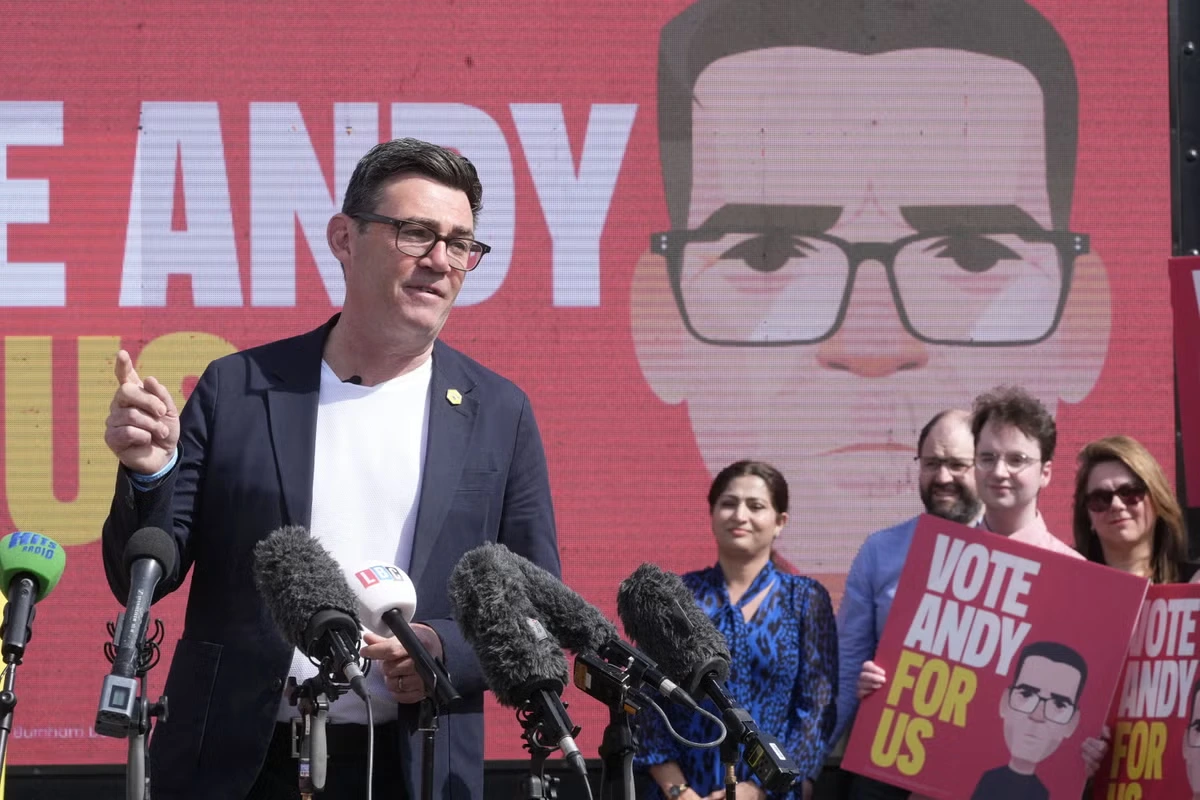
Andy Burnham’s make-or-break by-election is just over a week away, prompting questions of what the UK might look like with the popular northern mayor as the next leader of the Labour Party.
On 18 June, voters in Greater Manchester’s Makerfield will take to the polls to elect their replacement for departing Labour MP Josh Simons, who stepped aside in May to allow Mr Burnham to run.
The mayor of Manchester has confirmed his intention to compete in any Labour leadership election, challenging Sir Keir Starmer, if he returns to Westminster. An MP from 2001 to 2017, and holding three ministerial positions in that time, the move to London won’t be unfamiliar for the Liverpool-born politician – but the circumstances will feel very novel.
Mr Burnham now runs in the Wigan-adjacent seat of Makerfield in a bid not just to represent the area, but with a stated ambition to “change Labour” and lead the country as prime minister.
Asked earlier this week about his intentions if he wins the seat, he said: “I’m not somebody who gets ahead of myself. I can’t do anything unless I’m lucky enough to get the support of people here.
“But if I get your support, I would seek to represent you at the highest possible level and give this constituency maximum power and influence.
“I think Wes Streeting seems to have launched a leadership contest, so if that is running, I would seek to join it. But I’d have to persuade members of the Parliamentary Labour Party to do the same.”
Polling experts have put Mr Burnham most likely to win in this scenario, beating expected rivals Wes Streeting and Angela Rayner in popularity.
Here’s what his victory could mean for the country:
At the heart of Mr Burnham’s plan for Britain is ‘Manchesterism’, a political vision that, in short, brings together elements of devolution and nationalisation.
Informed by his time as mayor of Manchester, Mr Burnham has called for greater powers and funding decisions to be given to regional leaders who are best-placed to understand the needs of their community.
This often includes the power to control public services, as characterised by Manchester’s successful ‘Bee Network’. Comprising bus and tram routes across the city, the development of the scheme saw ownership of the infrastructure wrested from several private companies in a move that gave local decision-makers full control.
More widely, the city’s combined authority has also pledged a £1 billion “good growth fund” to regeneration, employment, housing and homelessness projects. The city’s devolved powers are “pioneering”, Mr Burnham said earlier this year, and are thought to be a key part in Manchester’s 3.1 per cent annual economic growth since 2015, making it the leading UK city.
This approach could be expanded on the national stage, Mr Burnham has indicated, through both the nationalisation of public services and the decentralisation of political decision-making. In effect, the latter means taking some decisions away from Westminster, and giving councils and combined authorities “the control [they] need”.
Speaking to Channel 4 News in May, Mr Burnham said “deindustrialisation and privatisation” of Britain had left areas like Makerfield “without good jobs and people unable to afford the basics”.
He said: “We need a different path completely. What is that path? Put more things back under stronger public control: energy, housing, water, transport.
“I’ve done that with buses in Greater Manchester. I was the first to do it. Margaret Thatcher deregulated them … and then they just work for the private shareholders and not for the paying public.
“I put them back under public control with the £2 fares, so you take that principle and apply it to energy and apply to the water – that’s what I think we need to do.”
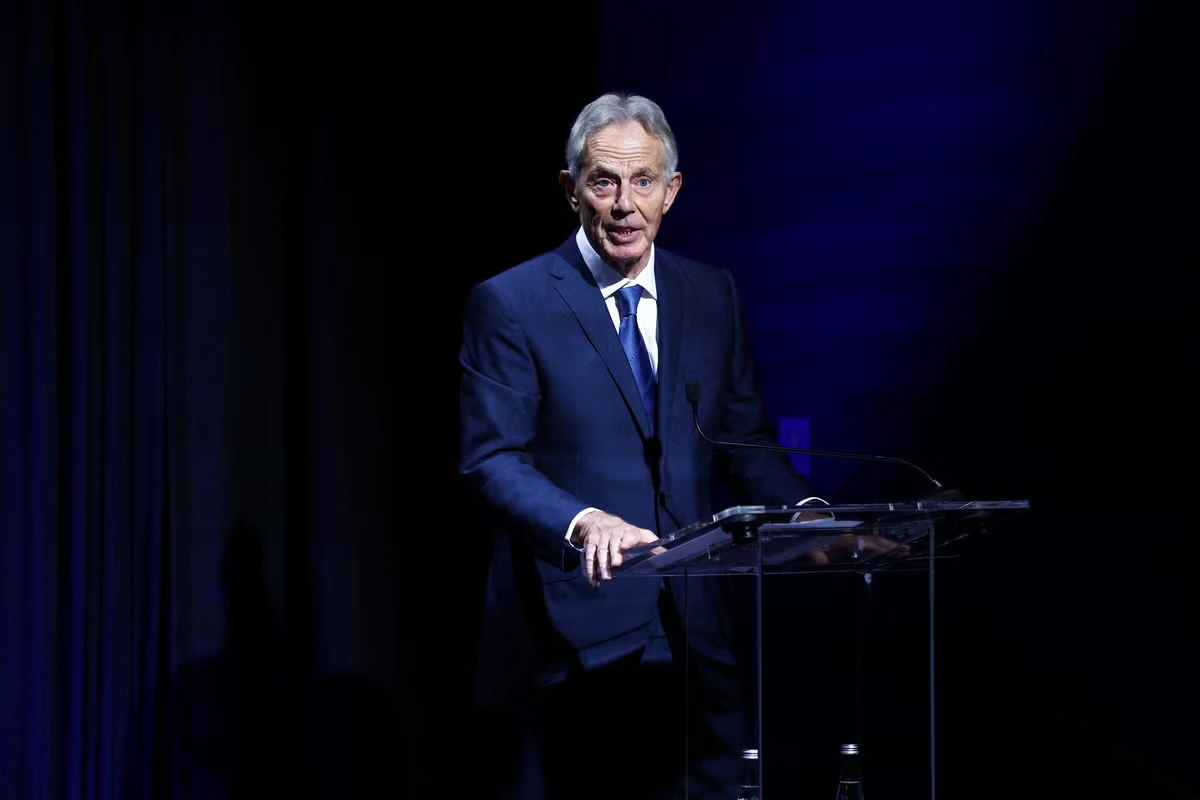
In a similar vein, Mr Burnham has said he is committed to “strong public control and direction” over the UK’s investment strategy to drive economic growth. Responding to former prime minister Tony Blair’s controversial essay last month, he said Manchester’s growth did not “come about by leaving things to the market”.
Elsewhere, the Manchester mayor has said he is committed to chancellor Rachel Reeves fiscal rules, which are designed to bring government debt levels down.
On tax, Mr Burnham has also recommitted to the Labour pledge not to raise income tax, VAT or national insurance this parliament. However, he has indicated he would “develop a policy” to address concerns over the controversial freeze on the income tax personal allowance which has dragged thousands of workers into paying more since 2021.
Other taxation stances Mr Burnham has indicated he holds are:
Mr Burnham has said he will not try to return the UK to the EU, arguing that the country would be stuck in a “permanent rut if we’re just constantly arguing”.
His comments came after his potential leadership rival Mr Streeting said the UK should rejoin the EU in a key intervention after resigning as health secretary. Mr Burnham said: “My view is that Brexit has been damaging, but I also believe the last thing we should do right now is rerun those arguments.”
He added that he wanted the national spotlight to be on Makerfield and the North-West during his by-election campaign, but added: “I want to say sorry to the residents of the Makerfield constituency, for the circus that is about to arrive in town and some of the inconvenience they will experience as a result”.
The path to Number 10 is by no means guaranteed for Mr Burnham should he win the local contest. A leadership election would first require either Sir Keir to step down or for a challenger to amass enough support from Labour MPs.
The Manchester mayor has not indicated how fast he plans to move should he find himself returning to Westminster later this month. However, his decision to lay out his political vision in such detail ahead of the crunch by-election indicates that his sales pitch to the Labour MPs, members and the nation has already begun.