Britons could face higher household bills for years to come – even if the fragile ceasefire in the Middle East holds, a senior MP has warned.
Graeme Downie, a Labour MP who sits on the energy select committee, warned it “will still take a long time for prices to return to normal” and the full impact of the crisis on the cost of living could be felt “until 2027/28 at least”.
His comments follow warnings from experts and industry figures that the two-week ceasefire – which is already in jeopardy as Iran threatens to cancel the deal over Israel’s attacks on Lebanon – is not long enough to see any benefit for the UK economy.
The price of Brent crude, the global oil benchmark, dropped on Wednesday as news of the ceasefire emerged, but it remains significantly higher than before the conflict and sustained high oil and gas prices will see the costs of fuel, food and heating rise.
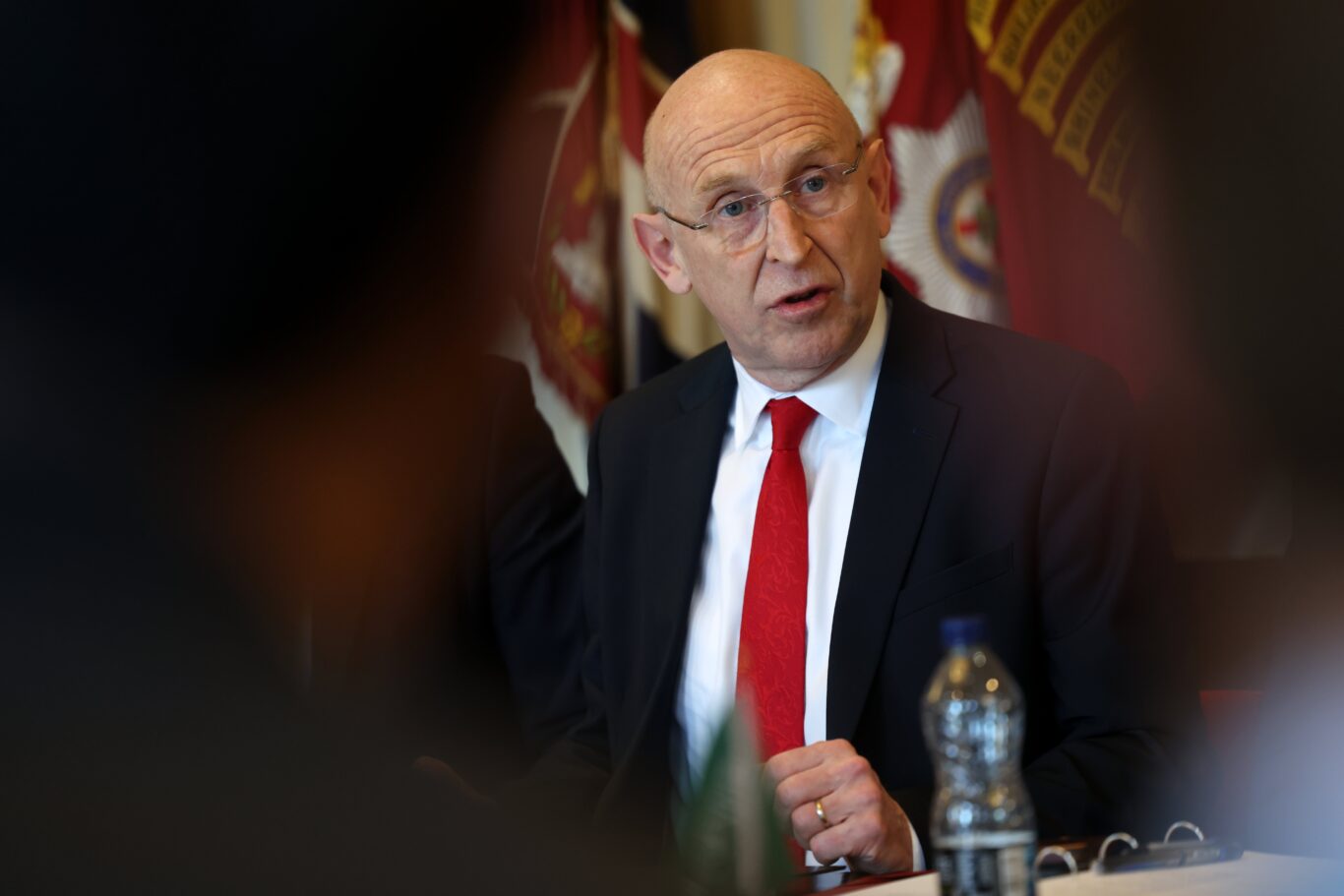
Speaking to The Independent, Mr Downie, the Labour MP for Dunfermline and Dollar, warned: “This isn’t going to be a short-lived problem that will now go away. It will still take a long time for prices to return to normal and we need to prevent a rocket and feather situation – where prices have risen very quickly but only fall very slowly.”
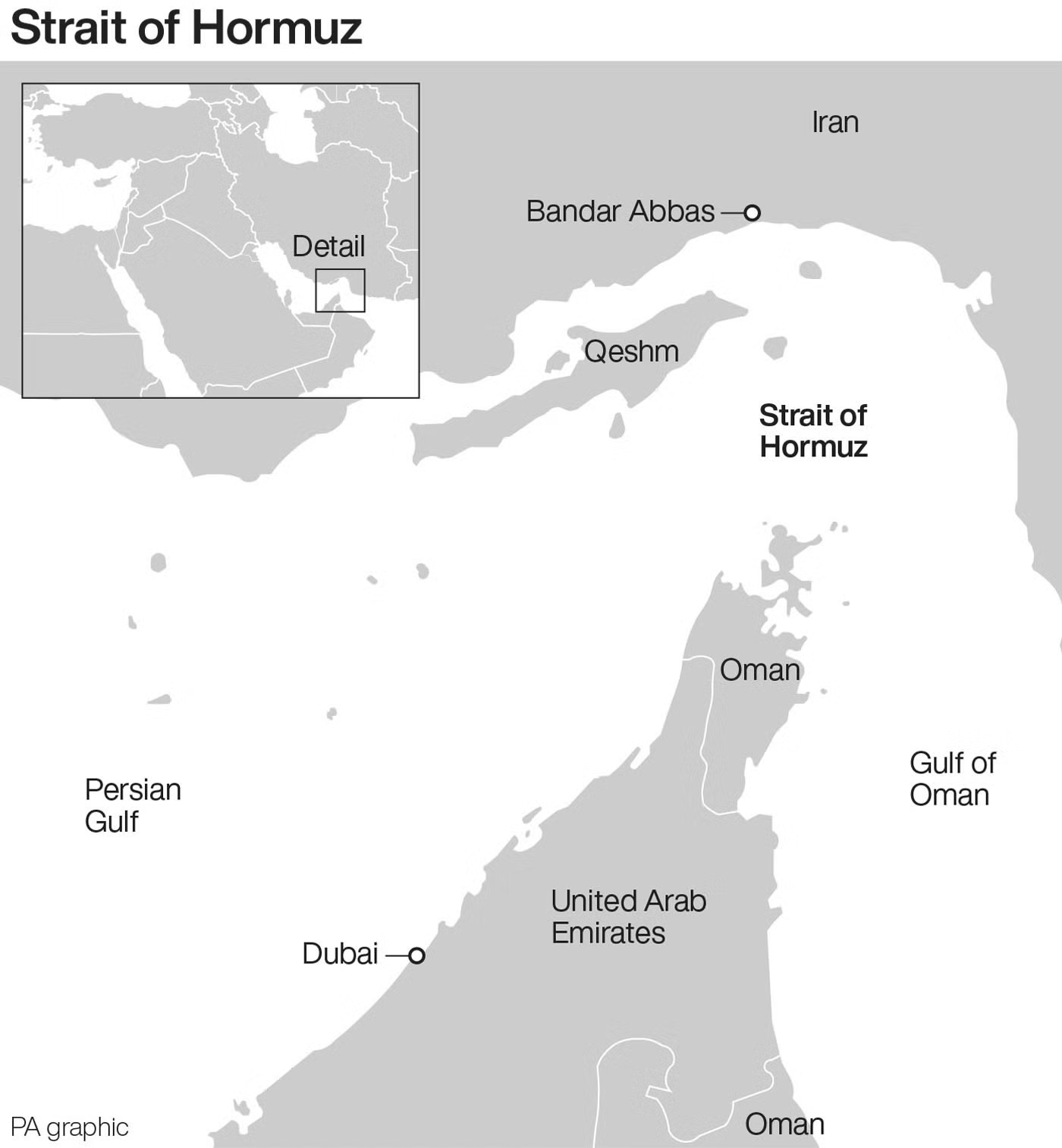
He noted that the impact of the Strait of Hormuz being shut down before the ceasefire had hit the price of fertiliser, which means food costs will likely rise next year as the knock-on effects of production run through the agricultural system to the supermarkets.
“There have been delays to different products like fertiliser and you’ve got the damage to the LNG [liquid natural gas] plant in Qatar that’s knocked its production down and could take years to repair,” he added.
“I think the effects of this will be felt until 2027/28 at least.”
New polling by Ipsos UK has revealed that economic anxiety from the war continues to dominate the public mood, with 86 per cent concerned over the impact of the conflict on the price of fuel and energy, while four in five (80 per cent) Britons are concerned about the availability of fuel. Around three in five are concerned about the availability of wider goods, such as food, toiletries and medical supplies.
Mr Downie added: “It’s also brought into focus that our own energy security is not where we need it to be. I think this government’s taking a lot of the right decisions on grid upgrade, on renewables, on your home energy.
“I think we’re doing all the right things, but we need to move faster – what we have done helps us in the next crisis, not this one, because these things take time.”
The cost of living warnings have raised questions over whether the government’s strategy to hold down energy and other costs will be able to cope with the full impact of the war, with the energy price cap set to come to an end in July and fuel duty set to rise by 5p in September.
Fellow energy committee member, Tory MP Bradley Thomas, claimed that the energy price cap plan up to July is now “completely worthless”.
Cornwall Insight’s latest forecast suggests that the energy price cap, set by the regulator Ofgem, will increase to £1,871 in July. This would push average household bills up by around £230, effectively negating the bill reduction measures introduced by the chancellor in last autumn’s Budget.
Meanwhile, a minister has insisted that the government has costs under control with the price caps and monitoring processes, but admitted the volatility of the situation has made it “almost impossible to assess”.
They told The Independent: “Things really are fast-moving. We still haven’t worked out the impact of last night’s [ceasefire] decision yet [on fuel and energy prices]. The situation is so volatile that it is hard to make predictions.”
They insisted that systems are now in place to monitor petrol and diesel prices with up to 30 minutes’ accuracy at forecourts, while the energy price cap will hold until July, but admitted concerns over supply if the strait were to close again.
Stocks of petrol and diesel at filling stations in the UK have fallen since the start of the Iran conflict, though the size of the drop varies across the country, figures show.
Petrol stock levels at garages averaged between 44 per cent and 47 per cent in the four weeks leading up to the start of the war on 28 February.
But in the four weeks beginning 1 March, levels across the UK averaged between 36 per cent and 43 per cent, according to data published on Thursday by the Department for Energy and Net Zero.
Separate figures published on Thursday by the RAC show the average price of petrol and diesel in the UK is continuing to rise.
The average price of a litre of unleaded petrol stood at 158.0p on Thursday, up 25.2p or 19 per cent since the start of the Iran conflict.
A litre of diesel now averages 191.1p, up 48.7p or 34 per cent since the beginning of the war.