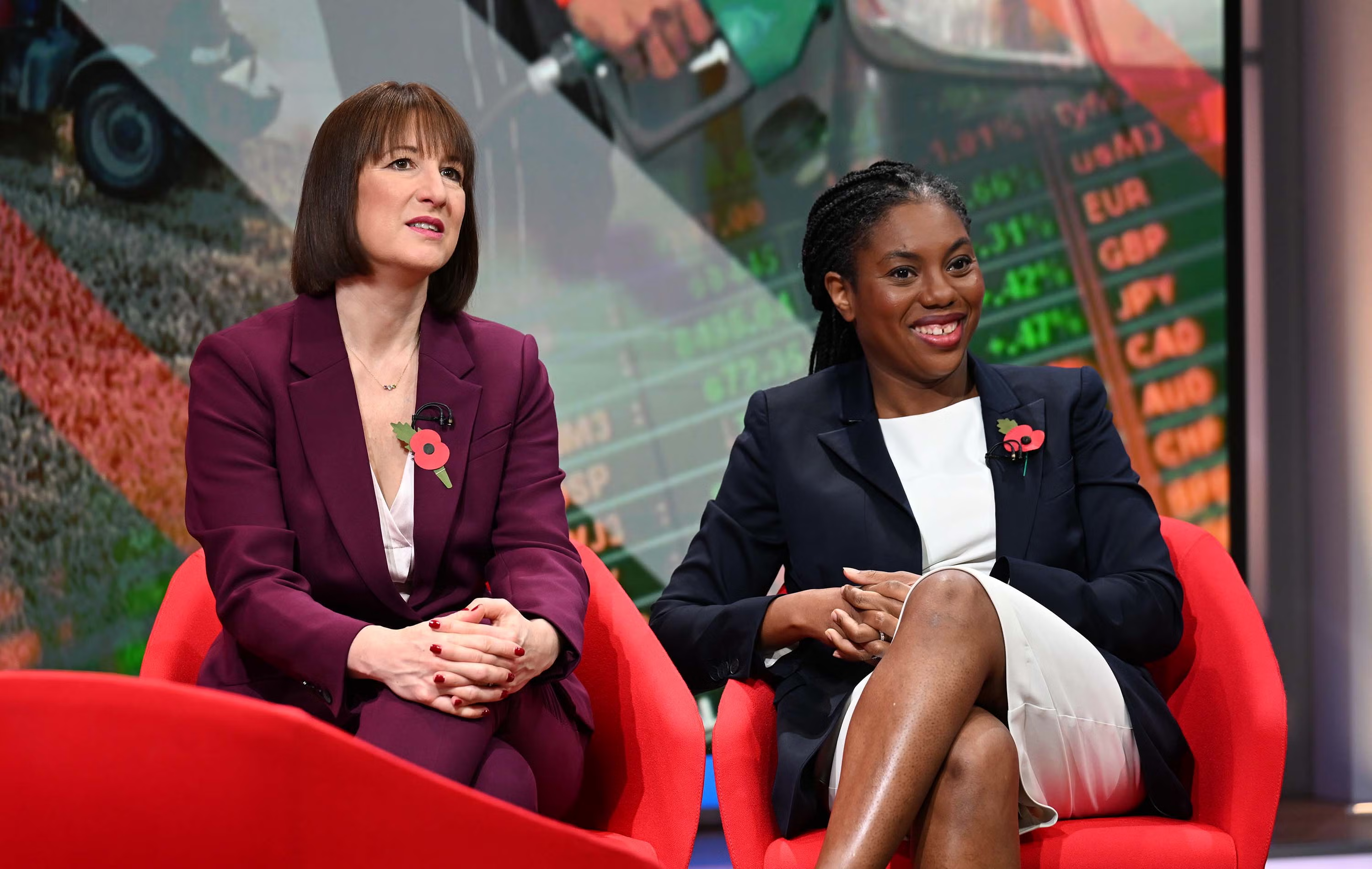
Rachel Reeves has been accused by Kemi Badenoch of speaking “managerial mush” and being “oblivious” to the cost of living crisis facing millions of Britons.
The Conservative leader spoke out in response to an article by the chancellor published in The Independent in which she said “costs for working people are coming down” as a result of her policies.
Ms Badenoch said Ms Reeves’s claim was “politically tone-deaf” with regard to the daily struggle to make ends meet faced by ordinary families.
It was “classic Rachel Reeves, far too pleased with herself,” wrote Ms Badenoch in her response in The Independent.
But the Tory leader dismissed Ms Reeves’s words as “managerial, bureaucratic mush.”
Writing for The Independent, Ms Badenoch said: “Sunday’s politically tone-deaf opinion piece in the Independent was classic Rachel Reeves: oblivious, managerial, and far too pleased with herself.
“The language was the usual bureaucratic mush preferred by junior civil servants.
“While the tone was bad, the biggest problem was her inability to accept responsibility for the cost of living crisis she has created.
“Reeves would have you believe the most pressing issues with the economy – namely higher taxes, low business confidence and zero growth – have been caused by “global turbulence.
“Not a chance. This was self-inflicted and she needs to own her mistakes.”
The row came amid growing political tensions over the plans to tackle the cost of living crisis caused by Donald Trump’s war on Iran.
Sir Keir Starmer is expected to meet senior representatives from the energy, shipping and financial services industries amid warnings the UK could suffer serious economic damage as a result of the conflict.
Downing Street said the aim of the meeting was to hear directly from businesses and discuss how the government and private sector can work together in responding to the conflict.
With oil prices spiking and Iran continuing to blockade the vital Strait of Hormuz, Britain is now expected to face higher inflation and lower growth.
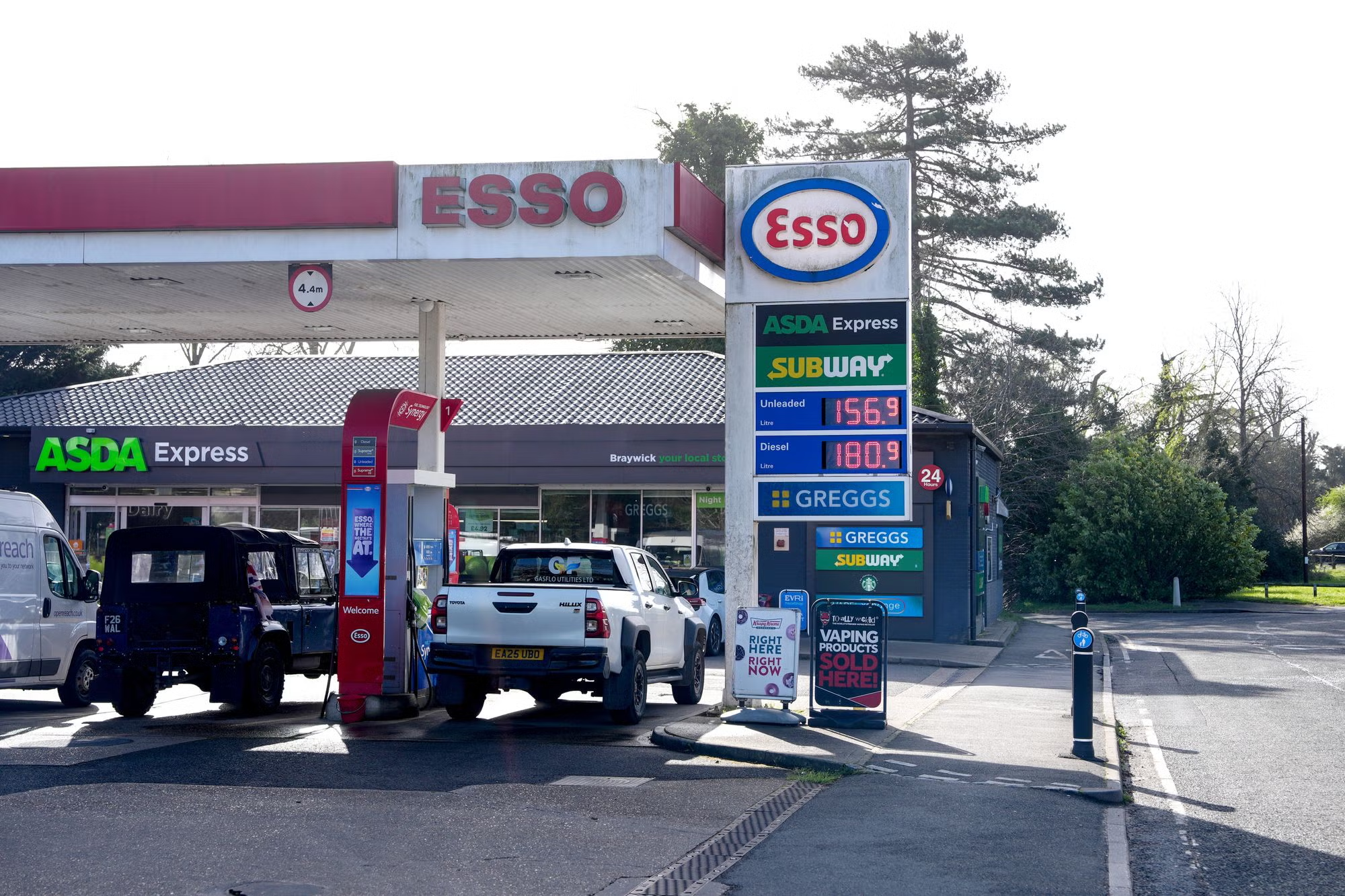
Petrol prices have already risen sharply, while disruption to the global oil supply has seen some developing countries impose restrictions on fuel usage and sparked concern shortages could spread to the UK.
Ministers have consistently played down the possibility of fuel shortages, with education secretary Bridget Phillipson telling broadcasters on Sunday that drivers should fill up their cars as normal.
Ms Reeves has made it clear that she intends to push ahead with plans for a 5p fuel duty hike in September and has announced no new measures to tackle a rise in energy bills.
Meanwhile, the government has been attacked by the Tories and Reform for refusing to allow oil and gas to be drilled in the Jackdaw and Rosebank North Sea oil fields.
But the chancellor’s article stated that her Budget measures due to take effect this week would make many better off, including the elderly and low paid.
She wrote: “This week people will see an average of £117 off energy bills. The state pension will increase by up to £575 this year. Commuter train fares will stay frozen for the first time in 30 years. And the National Living Wage will rise for millions of people, so they have more money in their pockets, more to spend in their communities.”
On fuel costs, she added: “I am in contact with petrol retailers to ensure prices at the pump are justified and that motorists are not being overcharged. And while the previous government planned to increase fuel duty after the general election, I decided to freeze it and – through Fuel Finder – to make sure drivers know where the cheapest fuel is locally so they get a fair deal.
“We will protect consumers, keep markets competitive, and act against any company that tries to use this moment to hike prices unfairly – including considering new time-limited powers to tackle price gouging if necessary.”