Sir Keir Starmer admitted yesterday that Donald Trump’s war on Iran will rock Britain’s economy – as Rachel Reeves spoke of “months of upward pressure on inflation”.
Every household and business could be hit if the Middle East conflict continues, the prime minister said, as oil prices soared above $100 a barrel for the first time since 2022.
With the Tories already calling for a vote on the chancellor’s plans to increase fuel duty by 5p in the midst of the crisis, pressure is mounting on the government to find ways to mitigate the looming impact on energy bills and petrol prices.
Since the US and Israel began bombing Iran, triggering retaliatory attacks that have hit a string of countries across the Middle East, the average price of a litre of petrol in the UK has increased by 5p to 137.5p, while diesel is up 9p to 151p.
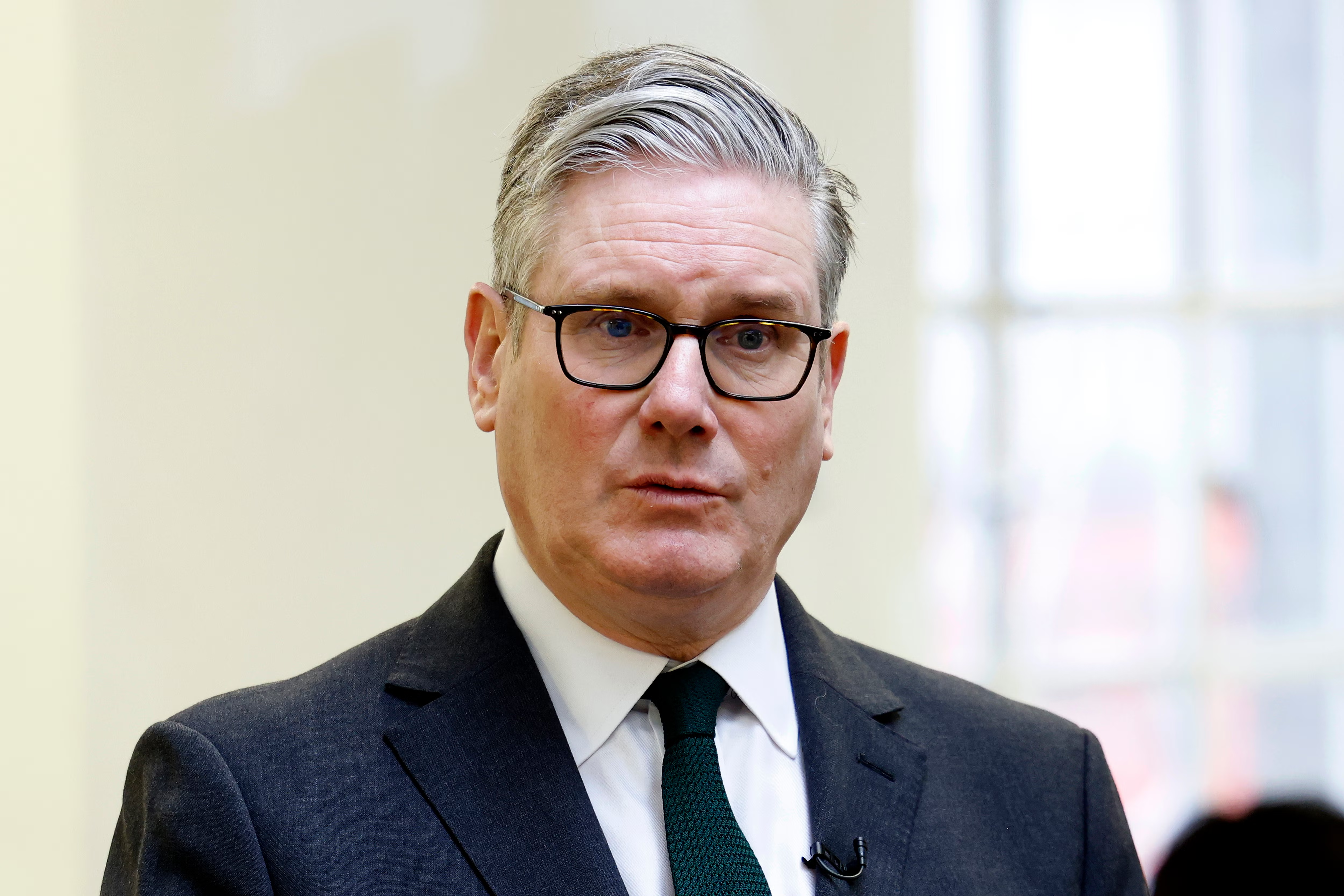
In a frank assessment, Sir Keir said: “It is important to acknowledge that work is needed, because people will sense – you will sense, I think – that the longer this goes on, the more likely the potential for an impact on our economy, impact into the lives and households of everybody and every business.”
He insisted the economy was resilient enough to absorb the “likely impact”, while Ms Reeves declared: “I will take the necessary decisions to help families and businesses with the cost of living.”
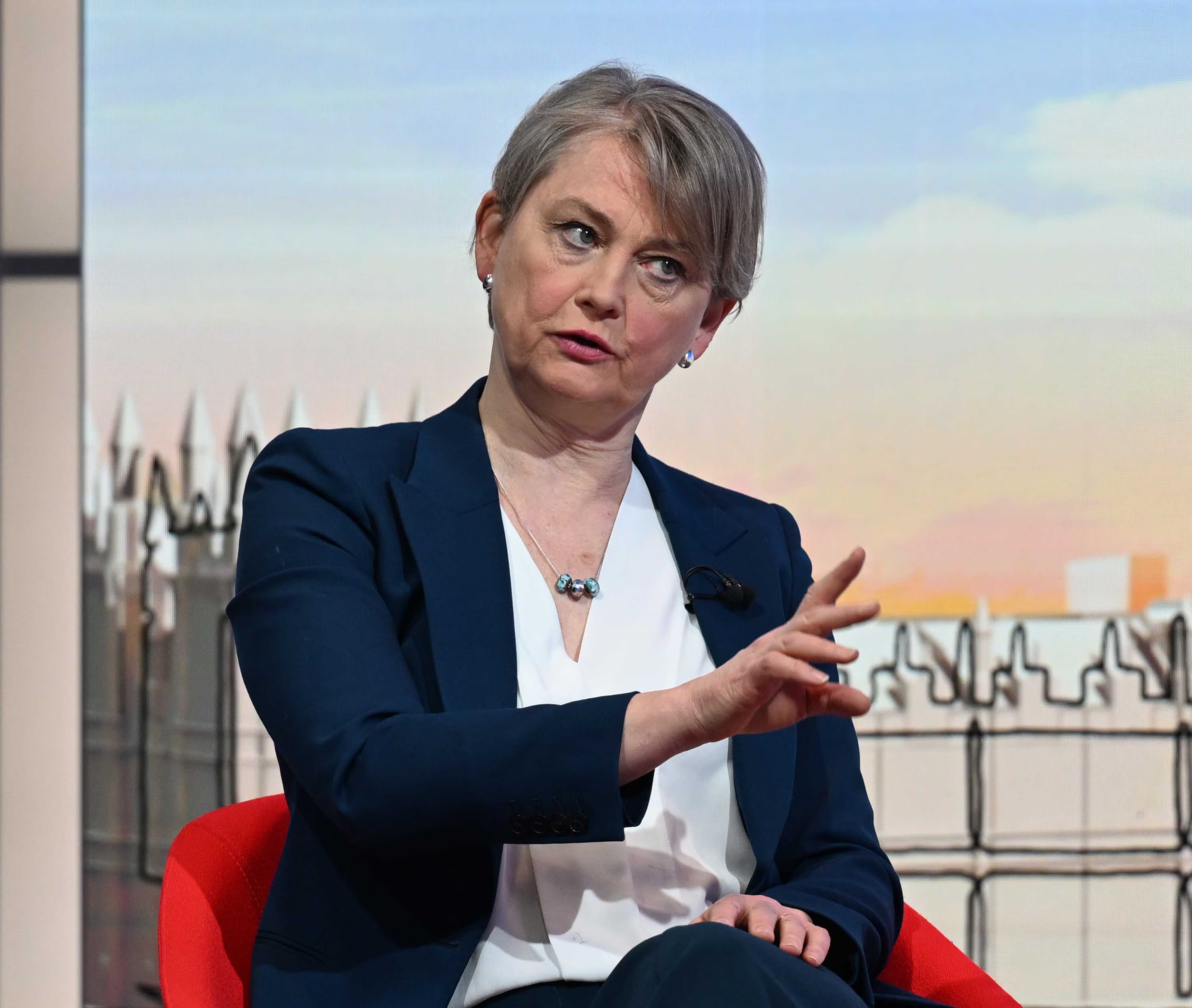
But addressing MPs in the Commons after an emergency summit with G7 finance ministers, she warned: “The economic impact of the situation in the Middle East means it is likely to put upward pressure on inflation in the coming months.”
Ms Reeves said she and her European counterparts had agreed on a joint release of oil reserves and had authorised the Ministry of Defence to use government reserves to meet the emergency costs of dealing with the war.
Meanwhile, energy secretary Ed Miliband has warned the heating oil industry that “price gouging will not be tolerated” after prices rocketed in a matter of days.
It came as the war between Iran and the US and Israel entered its 10th day.
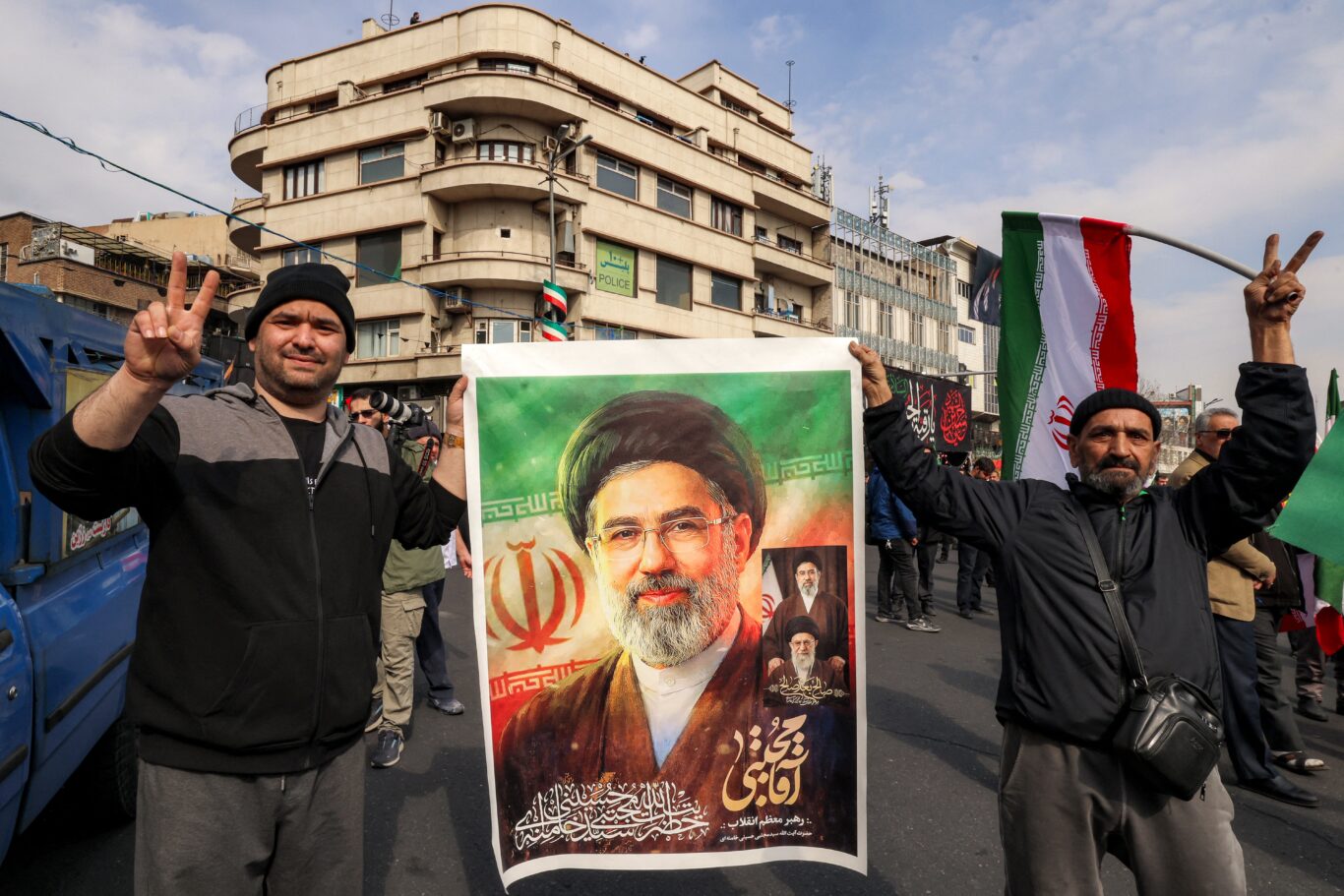
Dashing hopes of a swift end to the conflict, the Iranian regime sent thousands into the streets of Tehran in support of new ayatollah Mojtaba Khamenei – a son of the supreme leader who was killed by a bomb last week.
Vladimir Putin sent a telegram of congratulations to the 56-year-old secretive cleric with close ties to the country’s paramilitary Revolutionary Guard.
Meanwhile, Israeli strikes against Hezbollah hammered down on southern Lebanon as the UN’s Refugee Agency warned that over 500,000 civilians had been displaced.
Human Rights Watch accused Israel of using widely-banned white phosphorus over civilian homes in Lebanon. The white-hot substance can burn flesh down to the bone and set buildings on fire. At least 400 people have been killed in the fighting, and over 1,000 injured.
Qatar continued to intercept weapons in its airspace, shooting down 17 ballistic missiles and six drones launched from the direction of Iran.
Turkey said Nato defences intercepted a ballistic missile that entered the country’s airspace – the second in the past week.
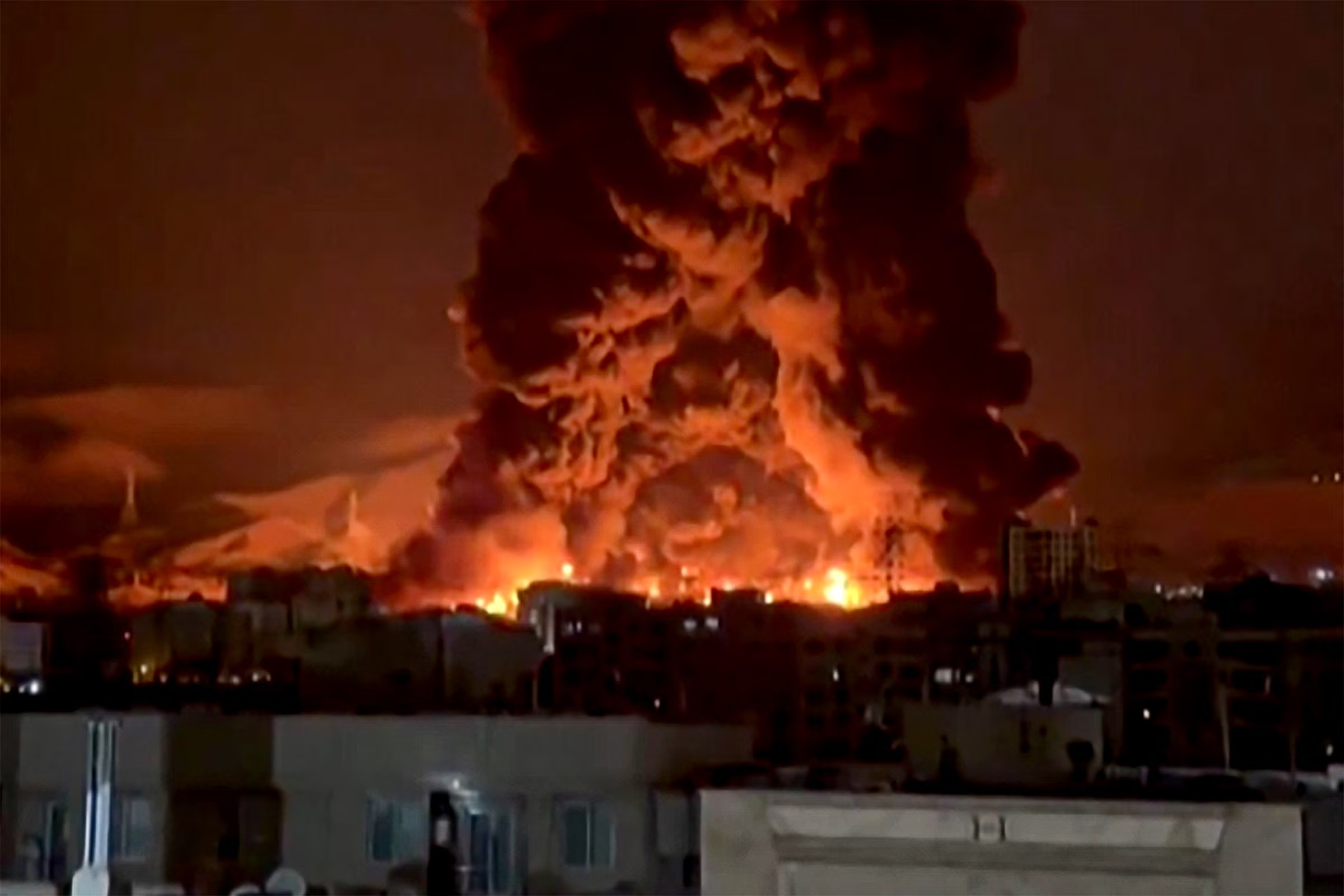
As Iran continued to hit regional energy infrastructure, a fire broke out at an oil facility that was attacked in Fujairah, in the United Arab Emirates. Bahrain’s only oil refinery was apparently also hit, while Saudi Arabia said it had intercepted several drones attacking its Shaybah field.
Edmund King, the president of the AA, said drivers should “not change their refuelling habits” but could “consider cutting out some non-essential journeys and changing their driving style to conserve fuel”.
But the government rejected suggestions that the advice was linked to any supply shortage. It is understood that fuel imports are continuing as normal.
Most UK households will be protected from the impact of rising energy prices in the short term by the energy price cap. However, rising oil prices will feed through to higher costs at petrol stations, and the risk of high energy costs pushing up inflation means the Bank of England is now unlikely to cut interest rates this month, as had previously been expected.
Sir Keir said the energy cap would protect households from the impact of turbulence in the markets, “but of course, businesses and others will be concerned to watch carefully what’s going on”.
President Trump also sought to play down the impact of the turmoil he has unleashed, insisting the prices will “drop rapidly when the destruction of the Iran nuclear threat is over” and were a “very small price to pay”.
Sir Keir spoke to Mr Trump over the weekend about the countries’ military cooperation in the region, in what appeared to be a positive signal one day after the US president lashed out at him in a social media post suggesting Britain’s help was too late.
Mr Trump has repeatedly hit out at Sir Keir’s decision not to grant permission for the first wave of military action against Iran.
The prime minister later granted permission for “defensive” US action against Iranian missile sites from RAF Fairford in Gloucestershire and Diego Garcia in the Indian Ocean.
Defence secretary John Healey confirmed that the first US bomber landed at Fairford on Friday, and reiterated that these missions are to destroy Iranian missiles at source and are in accordance with international law.
Downing Street has downplayed suggestions that the HMS Prince of Wales is being readied to deploy to the Mediterranean.